Last updated November 21, 2026
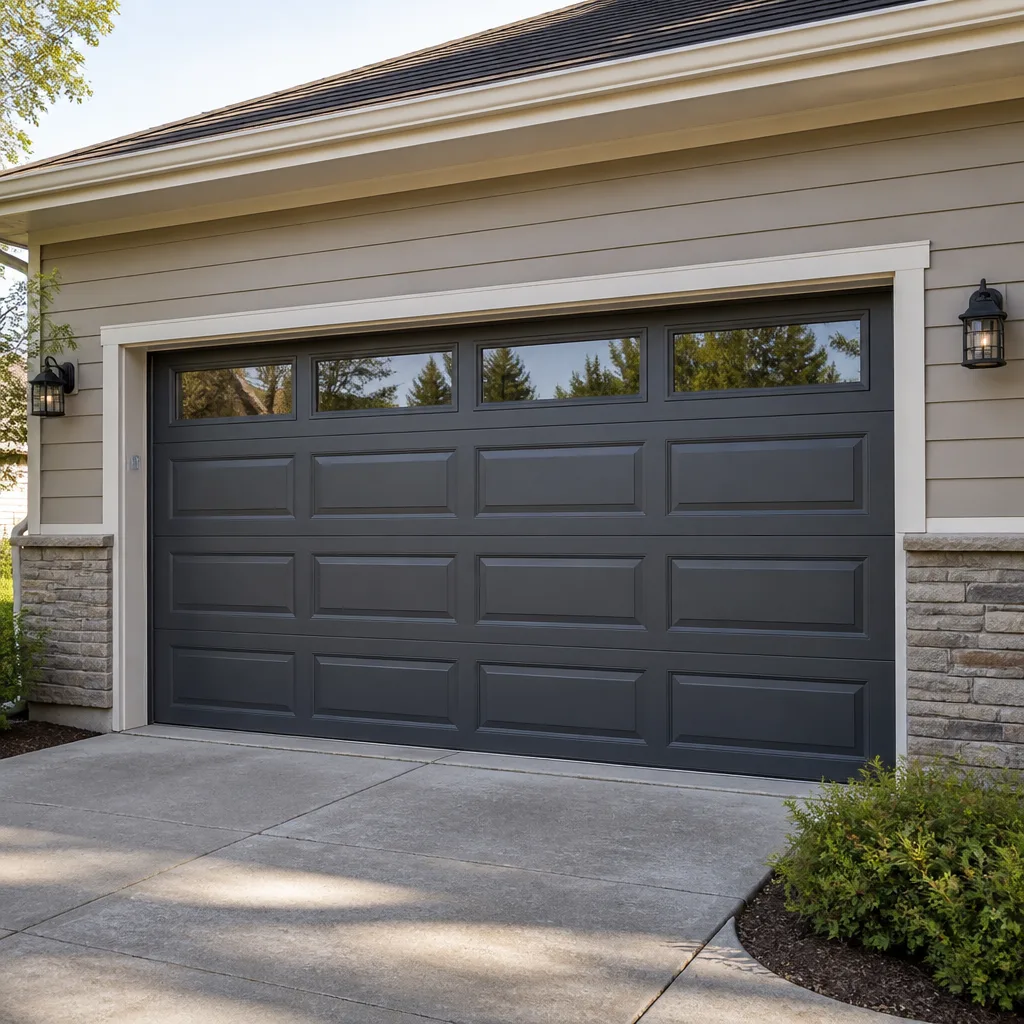 Raised-panel steel
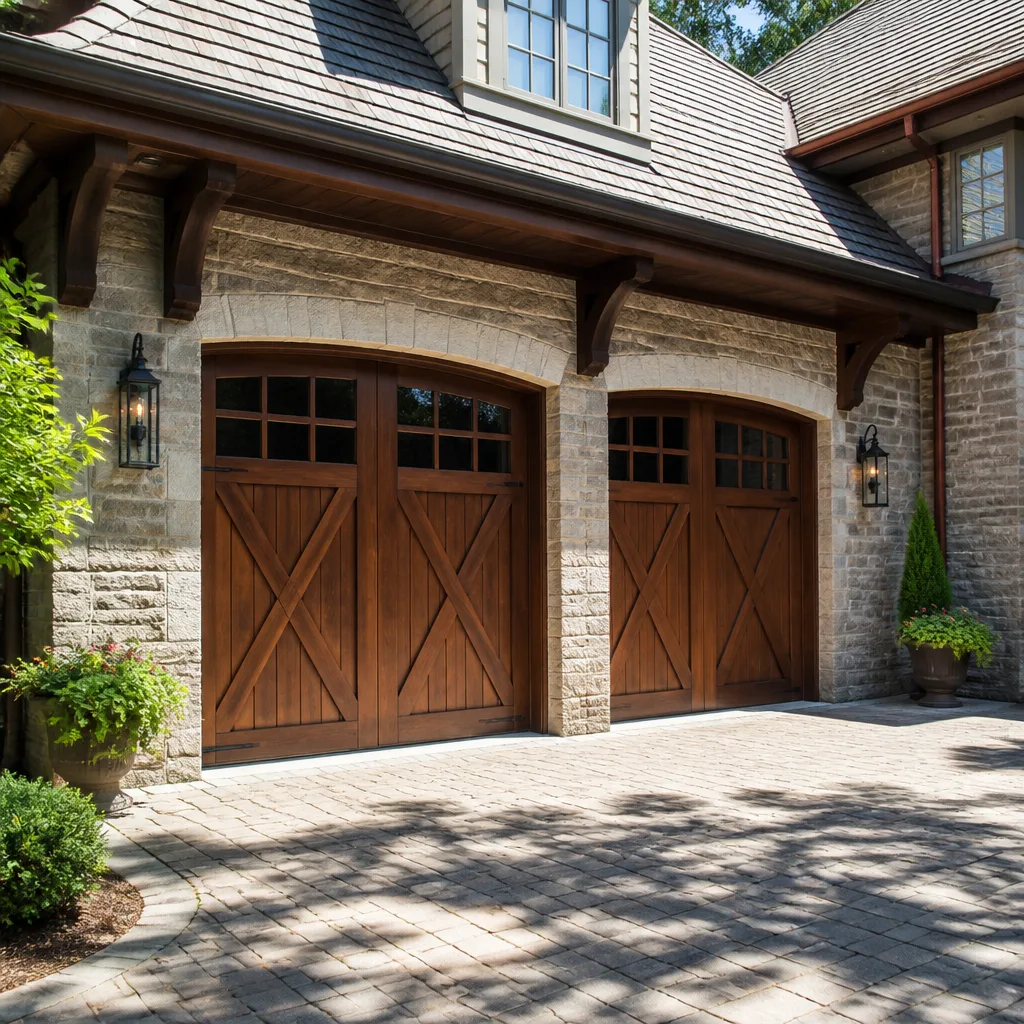 Carriage house
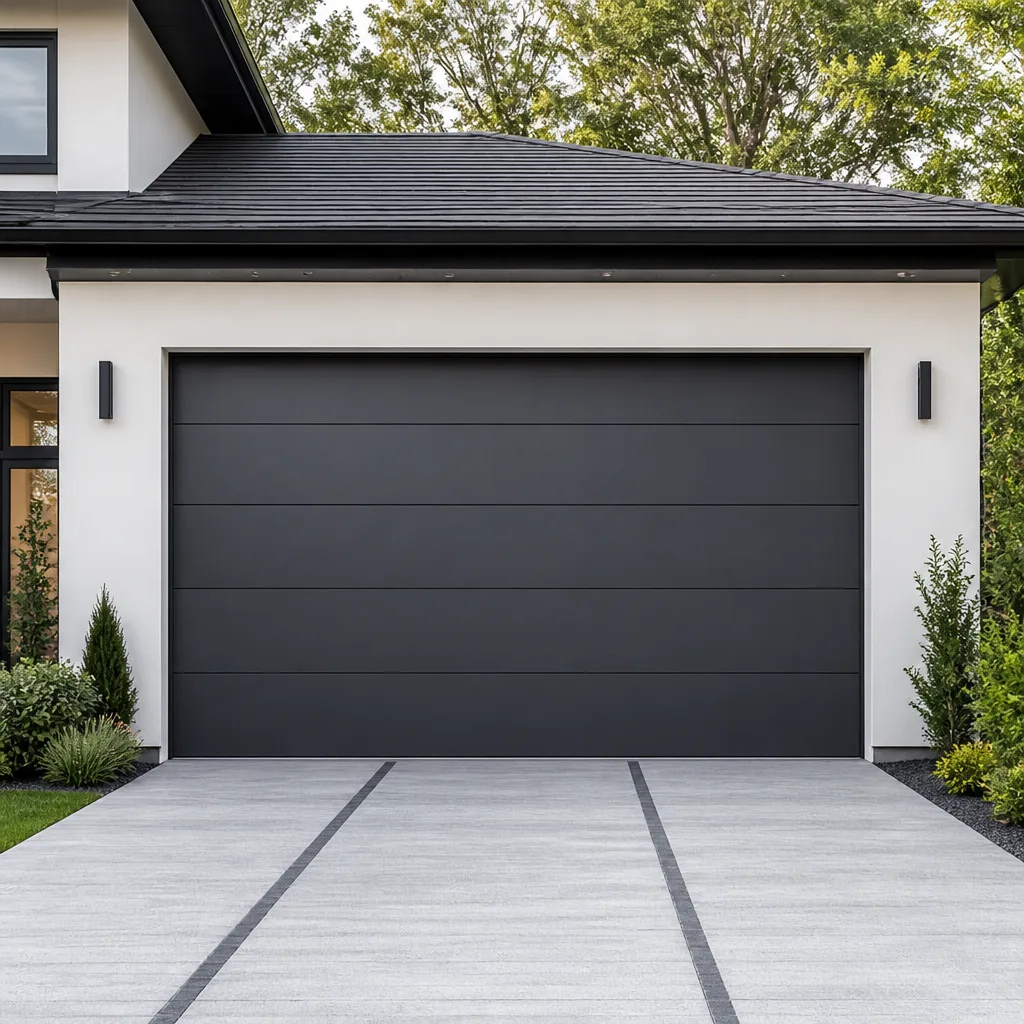 Modern flush
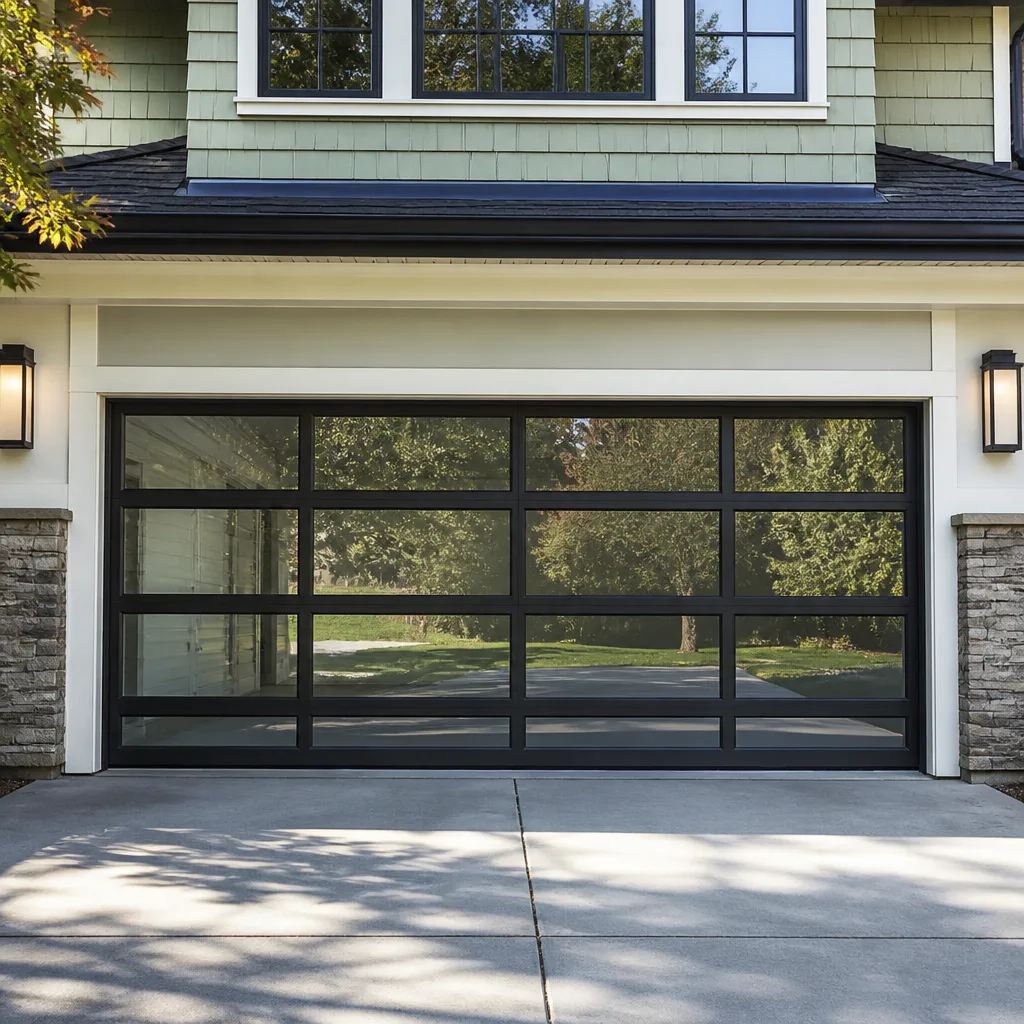 Full-view glass
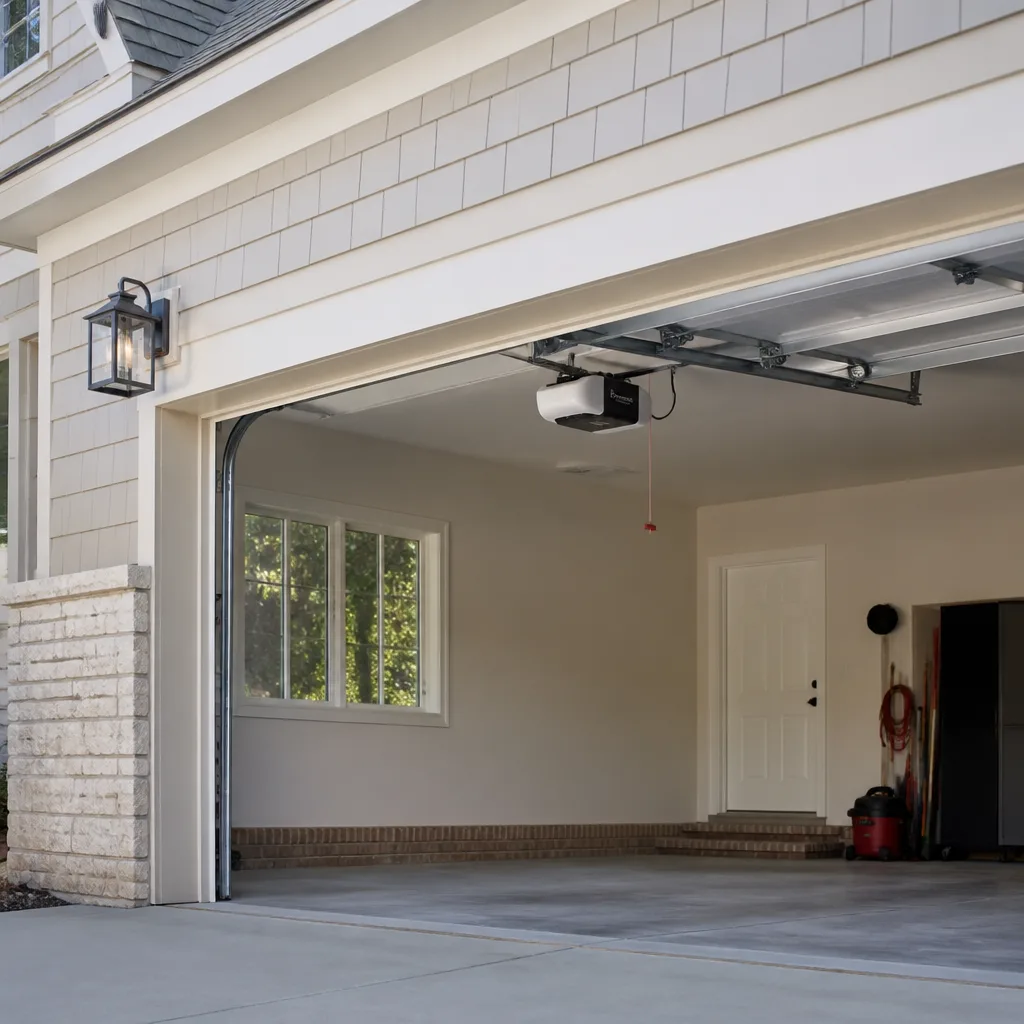 LiftMaster openers
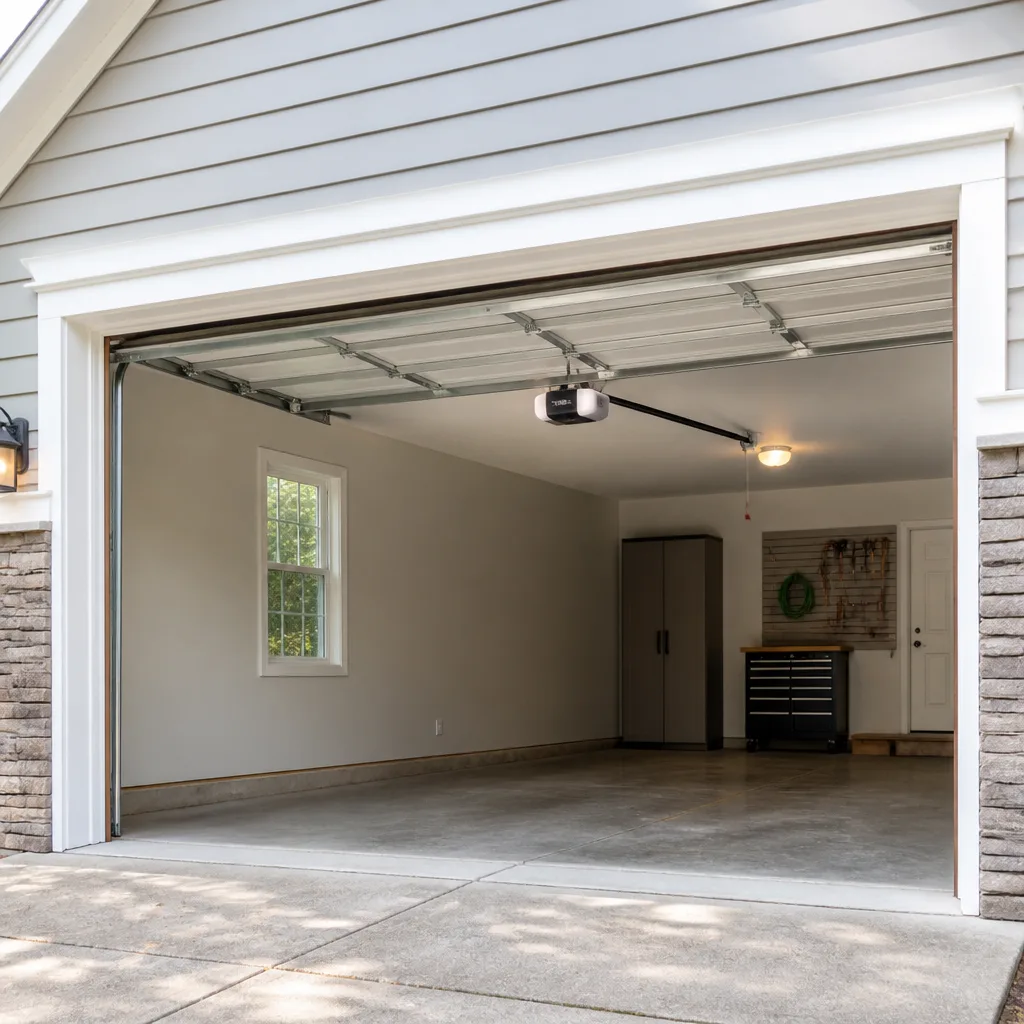 Chamberlain openers
Full 25-point door and opener safety check with every visit - springs, cables, rollers, tracks, and your LiftMaster or Chamberlain opener included
You get a price before we start. It does not change when the pro arrives.
Get your free estimateGarage Door Permits, Codes & Inspections in Yonkers, NY: What You Need to Know
Replacing a garage door with the same size door on the same track usually doesn’t need a building permit in Yonkers. Change the opening width, add a circuit for a new opener, or put a different type of door on a fire-rated attached garage, and you’re in permit territory. That distinction surprises a lot of homeowners, because most contractors don’t slow down long enough to explain it before the work starts. In this guide we walk through exactly which garage door projects trigger a Yonkers building permit, which ones don’t, how the state code and city amendments fit together, what an inspector actually looks at, and what happens if unpermitted work turns up during a home sale or an insurance claim. If you’re planning work on a door in Yonkers, this is the checklist to read before anyone touches your springs or your tracks.
Quick Answer
A like-for-like garage door replacement in Yonkers generally doesn’t require a building permit, but structural changes (widening or altering the opening or header), new electrical circuits for an opener, and fire-rated door requirements on an attached garage typically do. The New York State Uniform Fire Prevention and Building Code sets the baseline rules, and Yonkers enforces them through its own building department with local amendments. When in doubt, call the city’s building department before work begins: a five-minute conversation prevents a much bigger headache later.
Styles & brands we work with
- Raised-panel steel
- Carriage house
- Modern flush
- Full-view glass
- LiftMaster openers
- Chamberlain openers
Table of Contents
- When does a garage door project need a permit in Yonkers?
- When you don’t need a permit
- How New York State code and Yonkers local rules fit together
- What a Yonkers inspector actually checks
- The cost of skipping the permit: sales, insurance and liability
- How to pull a permit in Yonkers, step by step
- Openers, electrical work and the 12-inch rule
- Choosing a contractor who handles the paperwork
When does a garage door project need a permit in Yonkers?
A garage door project needs a Yonkers building permit whenever the work changes the structure of the opening, adds or alters electrical wiring, or touches a fire-rated assembly between the garage and the living space. Swapping out a door in kind usually does not. The dividing line is whether you’re maintaining what’s already there or changing it.
Here are the scenarios that almost always pull a permit in Yonkers:
- Widening or heightening the opening. Any change to the rough opening means the header and jack studs need to be re-engineered or at least reviewed. That’s structural work, and it needs a permit and an inspection.
- Replacing or modifying the header. If a damaged header has to come out, or you’re cutting a new one in, that’s a framing change requiring a permit.
- Adding a new electrical circuit for an opener. A new dedicated circuit, a new outlet in the ceiling, or a change to the electrical service for a smart opener all fall under electrical permitting.
- Converting a carport to an enclosed garage. Enclosing the opening changes the building envelope and triggers multiple permits.
- Changing the door type on a fire-rated attached garage. A door between an attached garage and the living space has a fire-rating requirement; installing a door that doesn’t meet it, or replacing a rated assembly with a non-rated one, needs review.
- Adding a new door where none existed. A new opening in an existing wall is structural.
Anything on that list needs a stamped plan or at least a reviewed drawing in most cases. Yonkers isn’t unusual here: most municipalities in Westchester County treat structural and electrical changes the same way. The cost of the permit itself is small compared to the cost of getting caught with unpermitted work, and a conversation with the building department before you start is free.
When you don’t need a permit
A straight replacement of a garage door in Yonkers, same size, same track, same type of door, generally does not need a building permit. This covers most of the work we’re called for: worn panels, dented sections, snapped springs, bent tracks. The door comes out, the new door goes in on the existing hardware, and the opening is unchanged. That’s maintenance, not construction.
These common jobs typically fall outside the permit requirement:
- Like-for-like door replacement. A Clopay door comes off, a Clopay door of the same dimensions goes on. No structural change, no permit.
- Spring replacement. Replacing torsion or extension springs on existing hardware is a repair, not construction.
- Cable and roller replacement. Same reasoning: these are wear parts on a system that already exists.
- Opener replacement in kind. Swapping a Genie opener for a new Genie on the existing circuit is a repair. Running a new circuit is a different story.
- Panel and section replacement. A single damaged section can be replaced without pulling the whole door or touching the structure.
- Track realignment. Straightening a bent track is repair work.
Here’s where homeowners get caught: a door replacement that looks like a swap often isn’t. If your existing opening is 8 feet wide and you decide to move up to a 9 foot door for a wider vehicle, that’s a structural change and the permit obligation kicks back in. If the old door was a standard panel door and you replace it with a carriage house style that needs different track and a different headroom requirement, the installation still may not need a permit but the structural clearances need to be checked. Our advice: describe the job in detail to the building department, not just the finished result, and let them tell you. In our experience, Yonkers building staff are straightforward about this when you give them the whole picture.
How New York State code and Yonkers local rules fit together
New York State’s Uniform Fire Prevention and Building Code sets the baseline for how residential garages and their doors must be built. Yonkers enforces that code through its own building department, and the city has its own amendments and procedural requirements layered on top. For a homeowner, the practical upshot is: the state code tells you what’s allowed, and Yonkers tells you how to get it approved and inspected.
The state code provisions that come up most for garage door work:
- Separation between garage and living space. An attached garage has to be separated from the house by a wall and ceiling assembly with a fire-resistance rating, and the door in that assembly has to meet the rating. This is a life-safety rule and it’s enforced.
- Self-closing and self-latching doors. The door between an attached garage and the house must close and latch on its own, so it can’t be left propped open. This is a common inspection finding when a door has been replaced with the wrong hardware.
- Egress from the garage. Where a garage contains the only exit from a habitable space above or beside it, egress requirements apply.
- Openers and safety devices. The state code and federal rules require an automatic reverse or entrapment protection on any automatic garage door opener. The manufacturing standard has required photoelectric eyes and pressure sensing for decades, and any new opener you install will meet it.
- Structural requirements. Any change to the header, the wall framing, or the foundation of a garage falls under the structural code and requires design review.
Yonkers adds procedural requirements on top: specific application forms, plan submittal standards, inspection scheduling and certificate of occupancy rules. The substance is the state’s; the process is the city’s. Read both, or ask the building department to walk you through it before you start.
What a Yonkers inspector actually checks
A Yonkers inspector looks at the structure, the fire separation, the electrical connections and the safety devices on the opener. They aren’t there to grade the installer’s workmanship. They’re confirming that the assembly is safe, code-compliant and matches what was on the approved plan. Most inspections take 15 to 30 minutes and are straightforward when the work was done right.
What they physically look at during a garage door inspection:
- Framing and header load. The header over the opening has to be sized to carry the load above it, and the jack and king studs have to be properly installed. Any change from the plan gets flagged.
- Fastening and attachment. The track brackets, the torsion bar mounting plates and the door hinges have to be attached to solid framing, not just to drywall or sheathing.
- Fire-rated door and separation. For an attached garage, the door and the wall assembly around it have to meet the fire-resistance rating. The inspector will confirm the door has the right label and that the self-closing and self-latching hardware works.
- Opener safety devices. The photoelectric eyes have to be in place, aligned and functioning, and the opener has to reverse on contact. If the opener was part of the permitted scope, the inspector will test it.
- Electrical connections. A new outlet or circuit for the opener has to be properly grounded, in an appropriate box, and installed per the electrical code. If the electrical work is part of the permit, the electrical inspection happens separately.
- Egress compliance. If the garage sits between the house and the only exit route from a habitable space, the path has to be clear and code-compliant.
- Clearance and headroom. The door has to be able to travel through its full cycle without fouling anything, and any changes to the ceiling height or structure overhead have to be accounted for.
We’ve seen inspections fail on small things: a missing label on a fire-rated door, photoelectric eyes installed too high above the floor, an outlet in the ceiling that wasn’t grounded. All fixable, but each one adds a return visit and a delay. A good installer knows the checklist and builds to it, which is one of the reasons the permit process is worth doing properly.
The cost of skipping the permit: sales, insurance and liability
Unpermitted garage door work discovered during a property sale can stall the deal, and if it’s discovered during an insurance claim, it can complicate the payout. The permit itself is inexpensive. The consequences of skipping it are not, and they show up at the worst possible moment: when you’re trying to sell the house or when you’ve just been hit by a storm and need the claim to go smoothly.
Where unpermitted work bites homeowners:
- The title search and inspection. Most buyers in Yonkers ask for a municipal search during attorney review. If the search reveals structural or electrical work with no permit on record, the buyer’s attorney will often require it be legalized, or the sale stalls while it gets resolved.
- Certificate of occupancy issues. If a garage door or garage conversion was done without a permit and never got a certificate of occupancy, the property can’t be sold as a legal conforming use until it’s corrected.
- Insurance claims. If a door-related loss (a storm, a fire that started in the garage, a collapse) traces back to unpermitted structural work, an insurer can dispute the claim. We don’t name the carrier, because this is a general principle: insurance is priced on permitted, inspected work, and unpermitted work creates an argument the homeowner usually loses.
- Liability after an injury. If someone is injured by a door whose structural or electrical work was never inspected, and the unpermitted work can be established, the homeowner’s exposure grows.
- Resale disclosure. New York requires disclosures, and unpermitted work that’s known but undisclosed is a problem.
The bottom line: if the work needed a permit, get one. The permit process isn’t a revenue mechanism, it’s the paper trail that protects you when you sell, when you claim, and when something goes wrong.
How to pull a permit in Yonkers, step by step
You or your contractor pulls a garage door permit in Yonkers from the city’s building department before work begins. The application is straightforward, and the two phases (application and inspection) can usually be completed within a few weeks for a typical residential job, though the schedule depends on the department’s current workload. The permit has to be on site during the work, and it has to be closed out with an inspection before the job is considered complete.
The process in order:
- Describe the scope clearly. Call or visit the Yonkers building department with the exact scope: door size, door type, structural changes, electrical changes, fire-rating requirement, and the address. If you’re not sure what triggers a permit for your job, ask them before you submit anything.
- Assemble the application. This usually includes a permit application form, a contractor’s license and insurance information if you’re using a contractor, a scope description, and in some cases a drawing or plan of the opening and framing.
- Submit and pay. The permit fee depends on the valuation of the work. The city will tell you the current fee schedule.
- Get plan review approval if required. Structural changes generally need plan review, which can add time. A like-for-like installation with no structural element usually does not.
- Post the permit and do the work. The approved permit has to be on site. Changes in scope need a permit revision before the work continues.
- Schedule the inspection. The inspector comes out at the appropriate stage. For an electrical change, that inspection usually happens before the walls are closed up.
- Close out the permit. Once the inspection passes, the permit is closed and the record stands as evidence of legal work. Keep the certificate for your own file.
Timelines will vary with the city’s workload and the complexity of the job. A simple like-for-like replacement that doesn’t need a permit takes days; a structural change that needs plan review can take weeks. Plan for it and don’t let a contractor tell you the permit is “just paperwork.” It is the paperwork that protects your home sale.
Openers, electrical work and the 12-inch rule
Replacing an opener on an existing circuit is a repair, but adding a dedicated outlet or a new circuit for an opener is electrical work that needs a permit and an inspection. That distinction trips a lot of homeowners up, especially when they’re upgrading to a smart opener with Wi-Fi and Bluetooth and the installer wants to add a new outlet in the ceiling. The opener itself is not usually the permit issue. The wiring to it is.
What triggers the electrical permit:
- New circuit from the panel to the garage ceiling.
- New outlet where none existed, even if it’s on an existing circuit.
- Moving an outlet to a new location in the ceiling.
- Upgrading the electrical service to handle a larger opener or a heated garage.
- Adding an exterior keypad that requires new low-voltage wiring run through a finished wall.
Two things to get right besides the permit itself. First, the photoelectric safety eyes on the opener have to be mounted at the right height (April fresh in the installation manual, and the state code and federal rules require the entrapment protection to work), so a child or pet on the ground breaks the beam. Second, the opener has to be on a GFCI-protected circuit in a garage, because garage circuits are wet-location classified under the electrical code. An inspector will check both. If you’re replacing an older Chamberlain or LiftMaster unit with a newer one and the existing outlet isn’t GFCI, that’s the moment to fix it.
If you’re having electrical work done, don’t let anyone skip the permit. The inspection is what confirms the wiring is safe, and the certificate is what protects you later. For related repair work on openers, see our page on garage door opener repair.
Choosing a contractor who handles the paperwork
Pick a contractor who knows the Yonkers permit process and will pull the permit, schedule the inspection, and stand behind the work. If a contractor tells you to skip the permit or “just don’t worry about it,” that’s a warning sign. The right response is to explain exactly why a permit isn’t required (their scope doesn’t include structural or electrical changes), or to pull the permit and build to it. There’s no third option.
Here’s what to verify before you hire anyone to install or replace a garage door in Yonkers:
- Insurance. Ask for a certificate of liability insurance and workers’ compensation coverage. Any legitimate contractor carries both. If they can’t provide it, walk away.
- Permit knowledge. A good contractor knows the Yonkers building department process, knows what triggers a permit, and will tell you honestly whether your job needs one. If they hesitate on that question, keep looking.
- Experience with your system. A door is not a generic product. A Clopay door and an Amarr door, a LiftMaster opener and a Genie opener, all have specific installation requirements and specific service parts. Our technicians have up to 15 years of experience with the major brands, and we work on the door you already own.
- Written scope and pricing. The written quote is the price. It should include the door, hardware, opener, labor, permit fees if applicable, and the inspection. Vague quotes are how projects go sideways.
- Full service arc. Repair and installation should be handled by the same team, so a repair that becomes a replacement doesn’t leave you hiring a second contractor.
For a straightforward garage door installation, the contractor should be able to tell you within a phone call whether the job needs a permit, and should be ready to handle the paperwork for you. For any structural work, we recommend getting a written plan before the permit is pulled so the scope is clear to the city.
Common Mistakes to Avoid
- Assuming all door replacements need a permit. A like-for-like swap of the same size door on the same track usually doesn’t. Asking first saves time and money, and it also keeps the record clean when the answer really is “no permit needed.”
- Assuming no door replacement ever needs a permit. The moment you change the opening width, replace the header, or add an opener circuit, you’re in permit territory. The two mistakes are equally common in Yonkers, and the second one is the one that stalls a sale.
- Letting a contractor do structural or electrical work without pulling a permit. The permit is the paper trail. Without it, you can’t prove the work was done to code when an inspector, a buyer or an insurer asks.
- Forgetting the fire-rated door on an attached garage. The door between the garage and the house has to meet the fire-rating, and the self-closing, self-latching hardware has to work. A contractor who replaces a rated door with a standard door is creating a code violation, and it will be found at inspection or resale.
- Skipping the electrical inspection on a new opener outlet. Electrical work that isn’t inspected is electrical work nobody has confirmed is safe. The outlet has to be grounded, in a proper box and GFCI-protected in a garage.
- Doing the work before the permit is approved. Work done before permit issuance can require extra review, higher fees or in some cases removal. The permit goes first.
- Not keeping the permit and inspection records. When you sell the house, you need to prove the work was permitted. Keep the closed permit and the inspection record with your home documents.
See the difference
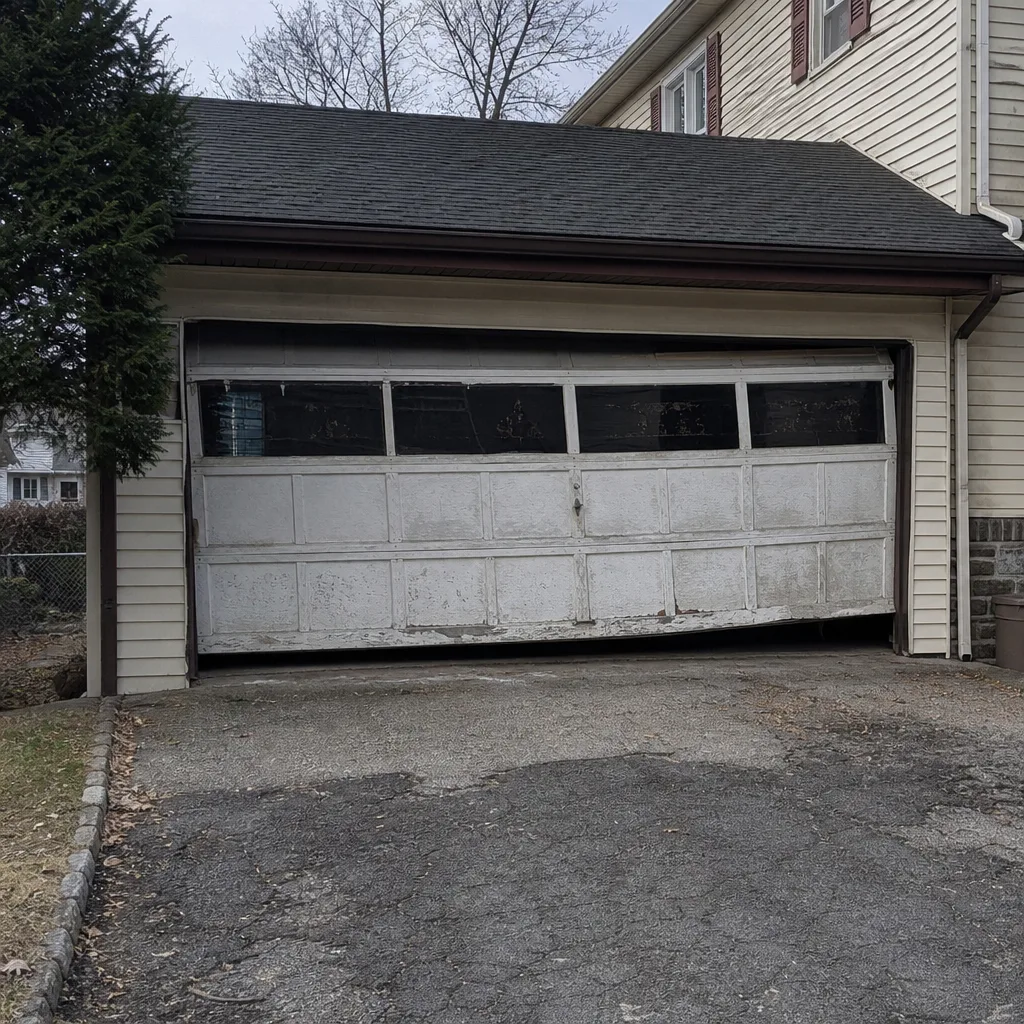 Before
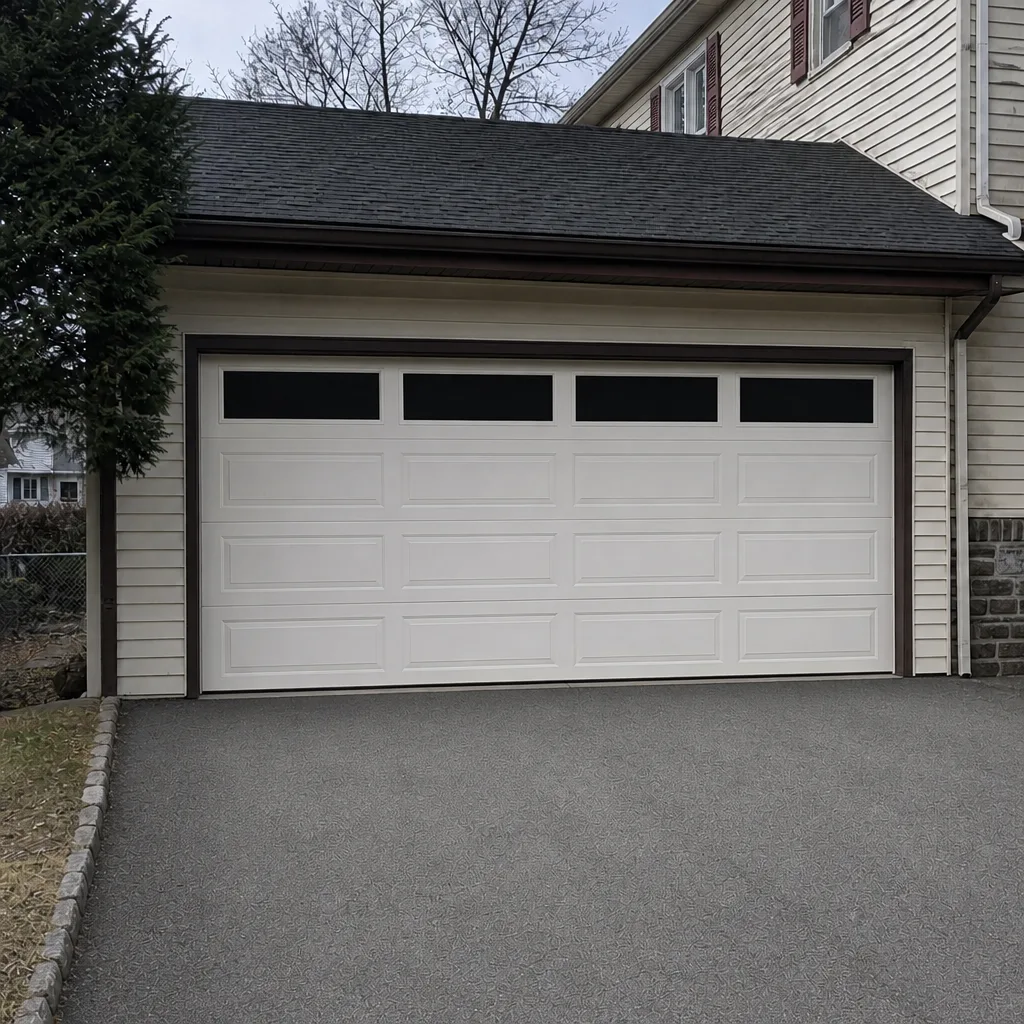 After
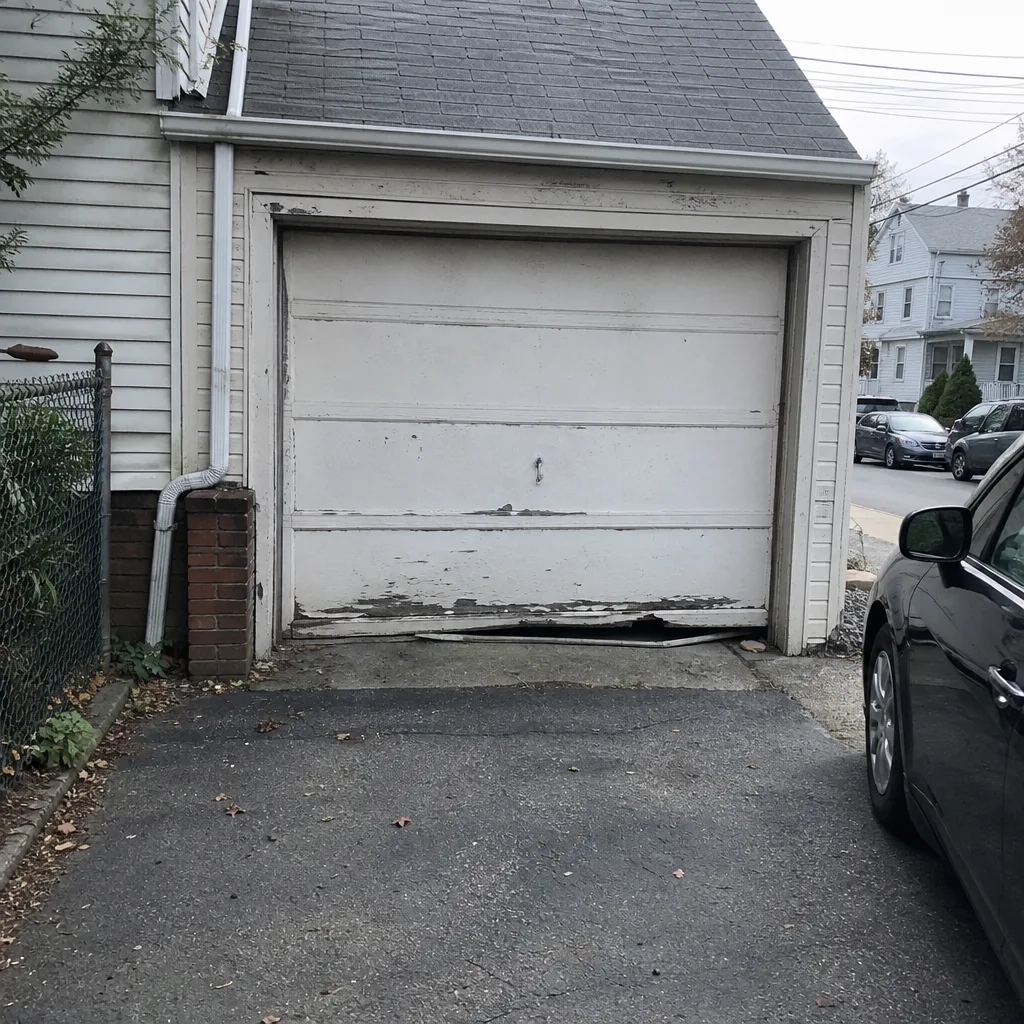 Before
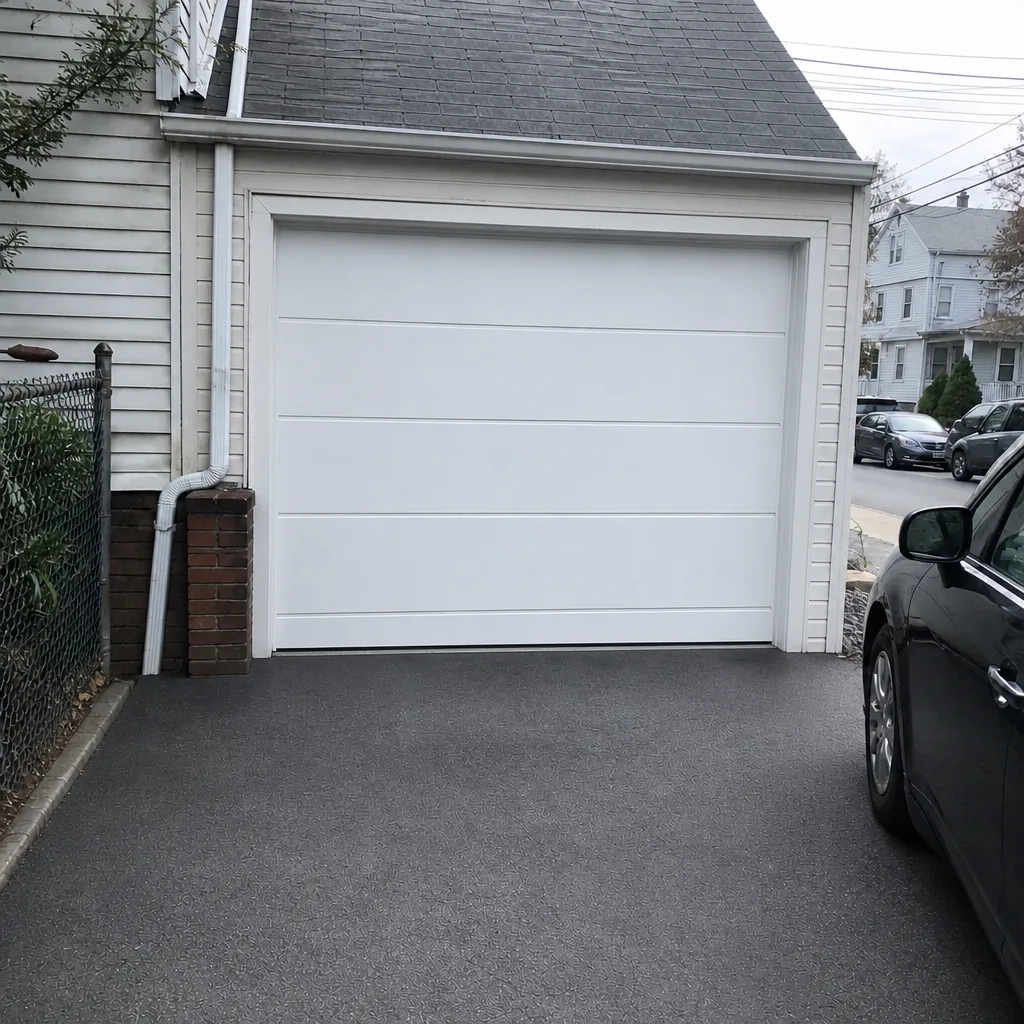 After
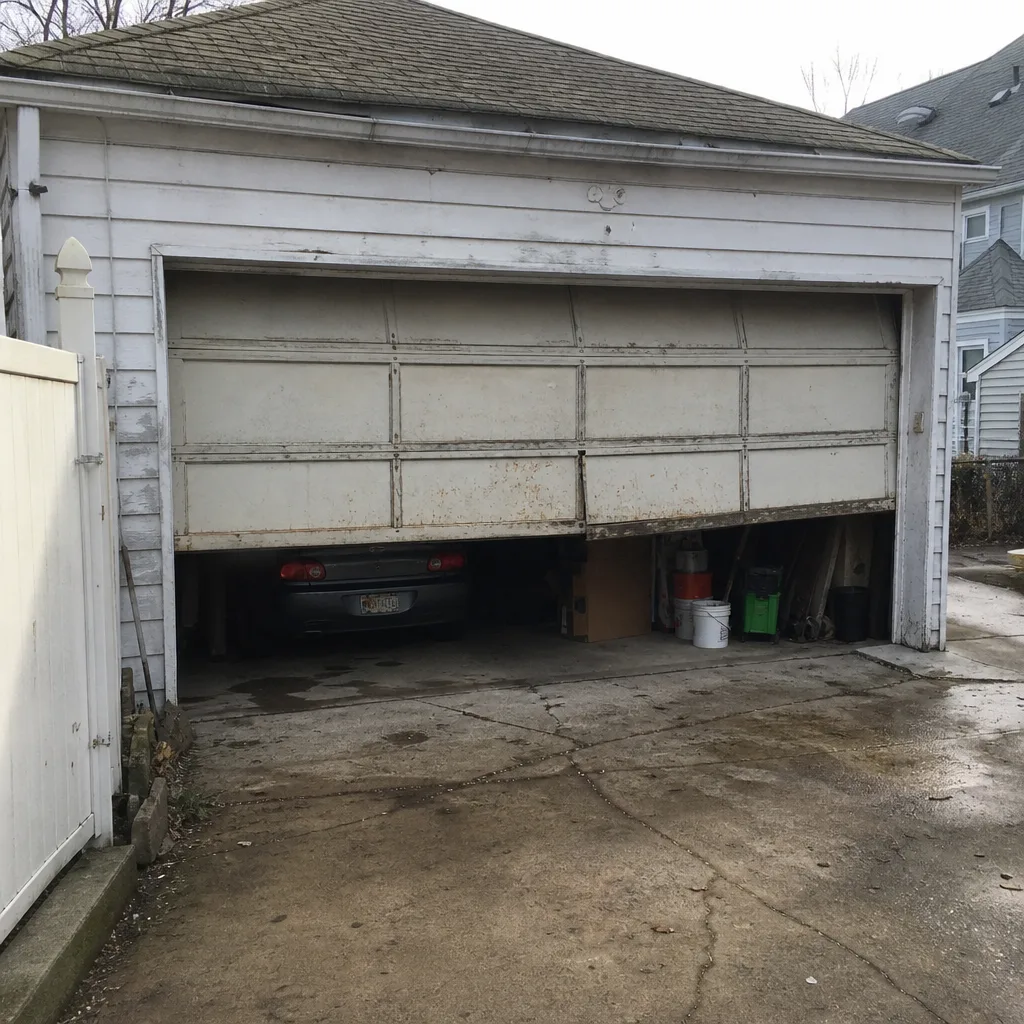 Before
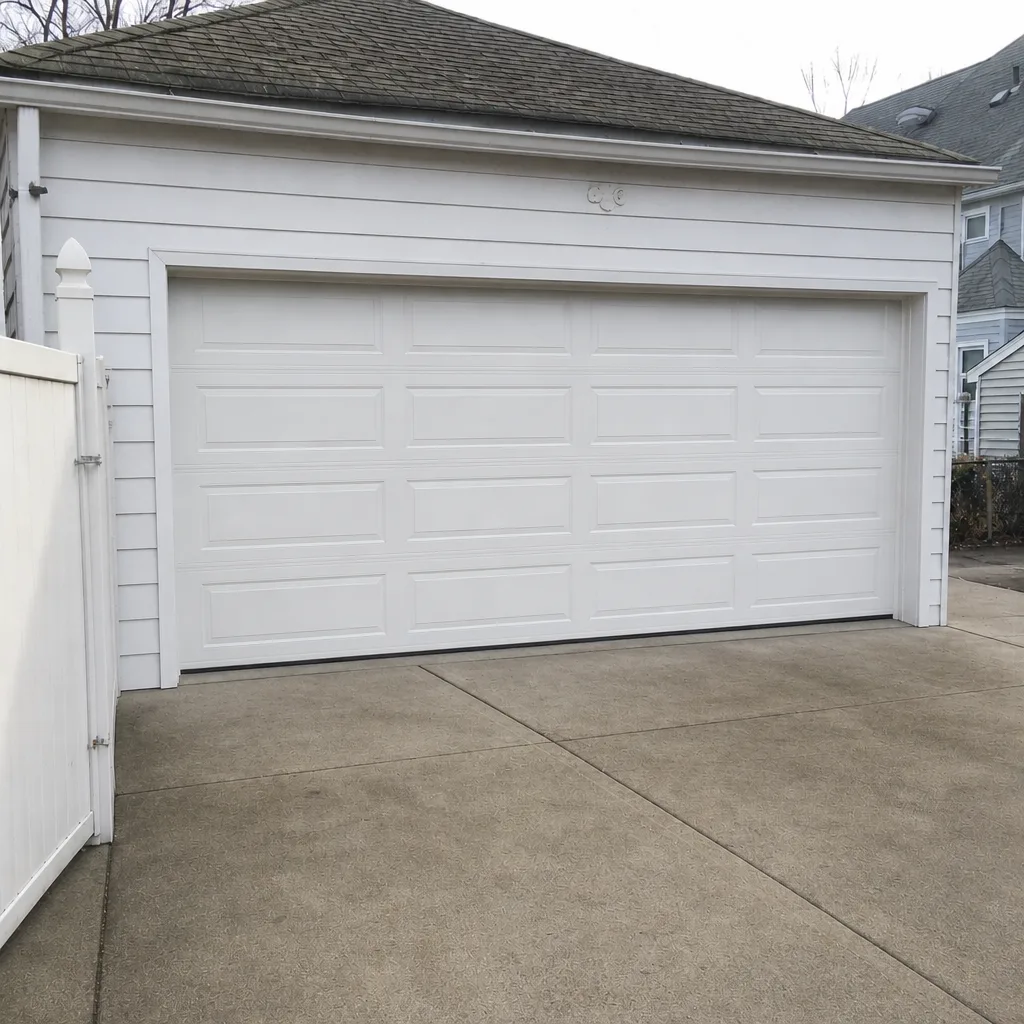 After
When to Call a Professional
Call a professional for anything involving torsion springs, cables, opener electrical work, track replacement, or any job where the permit picture is unclear. Those are the repairs where an injury can happen in a second. A torsion spring under tension can cause serious harm if it’s mishandled, and while we cover spring repair as a named service, we don’t hand out step-by-step instructions because the danger is real. Beyond the springs, any change to the opening, the framing or the wiring needs both a professional and, usually, a permit. Garage Door Repair Yonkers Pros offers free estimates in Yonkers. Call (833) 690-5368 and we’ll walk you through your job over the phone, including the permit question. Emergency service is available for urgent situations where the door won’t move or the system is unsafe.
Frequently Asked Questions
It depends on the scope. A like-for-like replacement of the same size door on the same track generally does not require a permit in Yonkers. A replacement that changes the opening width, replaces the header, adds an opener circuit or changes the fire-rated door on an attached garage does. Call the Yonkers building department with your exact scope before you start, and call (833) 690-5368 if you want us to walk you through what typically needs one.
Yes, if the installation involves a new outlet or a new circuit. Replacing an existing opener on the existing circuit is repair work. Running a new outlet or circuit to the ceiling in the garage is electrical work, and it needs a permit and an inspection. The inspection confirms the outlet is grounded, in an appropriate box and GFCI-protected, which the electrical code requires for garages. If you’re upgrading to a Wi-Fi opener, this is the moment to plan it properly. Call (833) 690-5368 for a free estimate on the opener work.
They check the framing and header over the opening, the fastening of the track brackets and torsion bar to solid framing, the fire-rated door and separation on an attached garage, the opener’s photoelectric eyes and auto-reverse function, the electrical connections and grounding, and egress compliance. They’re confirming the assembly matches the approved plan and meets the state code. A job done right passes on the first visit.
Two main risks. At resale, a title search that reveals unpermitted structural or electrical work can stall the sale until it’s legalized. During an insurance claim, unpermitted work can create a dispute about whether the loss is covered. The permit itself is inexpensive; the cost of dealing with an unpermitted job later is not.
Yes. Under the state code, the door between an attached garage and the living space has to meet a fire-resistance rating and must be self-closing and self-latching. Any replacement door has to match that rating. This is a life-safety rule, and it’s enforced at inspection. If you’re not sure what your existing door is rated for, look at the label on the door edge and ask the Yonkers building department to confirm. For repair or replacement work, call (833) 690-5368.
It depends on the job. A like-for-like replacement that doesn’t need a permit is immediate. A job with a simple scope can move through in a matter of days to a couple of weeks. A structural change that needs plan review can take longer. The Yonkers building department can give you a current timeline for your specific scope. Call (833) 690-5368 for a free estimate on the work itself while you’re sorting out the permit question.
The Bottom Line
Most garage door replacements in Yonkers don’t need a permit, but the work that does (structural changes, new opener circuits, fire-rated door replacements on an attached garage) matters more than the work that doesn’t. Get the permit when the scope calls for it. Skip it when it truly doesn’t, but verify that first with the Yonkers building department. What an inspector checks (framing, fire separation, opener safety devices, electrical grounding) is exactly what keeps the door safe and the house sellable. And if you’re not sure which side of the line your project is on, that’s the moment to call a professional rather than guess.
Garage Door Repair Yonkers Pros handles garage door repair, spring repair, opener work and installation across Yonkers. Whether it’s LiftMaster, Chamberlain, Genie, Clopay, Amarr, Wayne Dalton, Craftsman or Raynor, we work on the brand you already own. If a repair turns into a replacement, we’ll tell you which one actually makes sense. Our technicians have up to 15 years of experience, and we’re ready to take your call. Garage Door Repair Yonkers Pros offers free estimates in Yonkers. Call (833) 690-5368 for a free estimate, or for emergency service when the door won’t move and you need someone out.
Written by the team at Garage Door Repair Yonkers Pros.