Last updated November 21, 2026
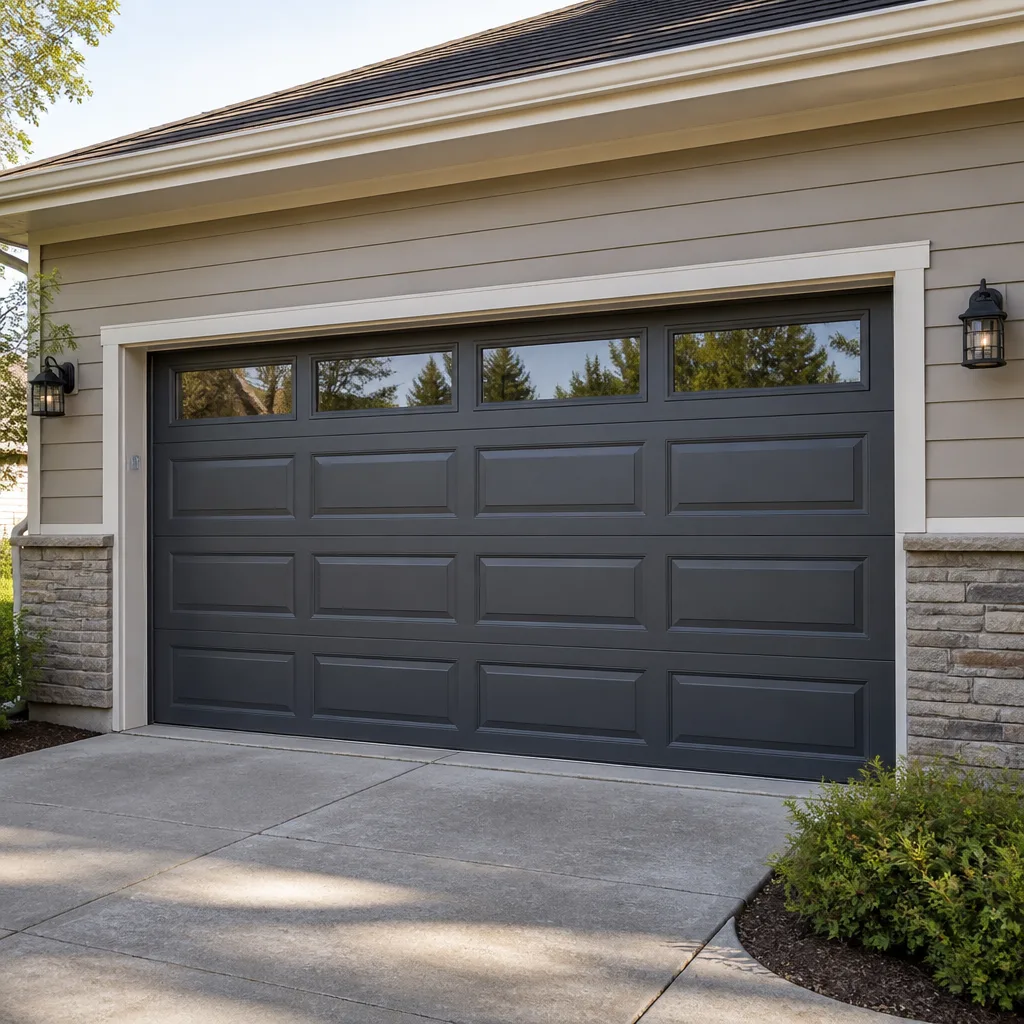 Raised-panel steel
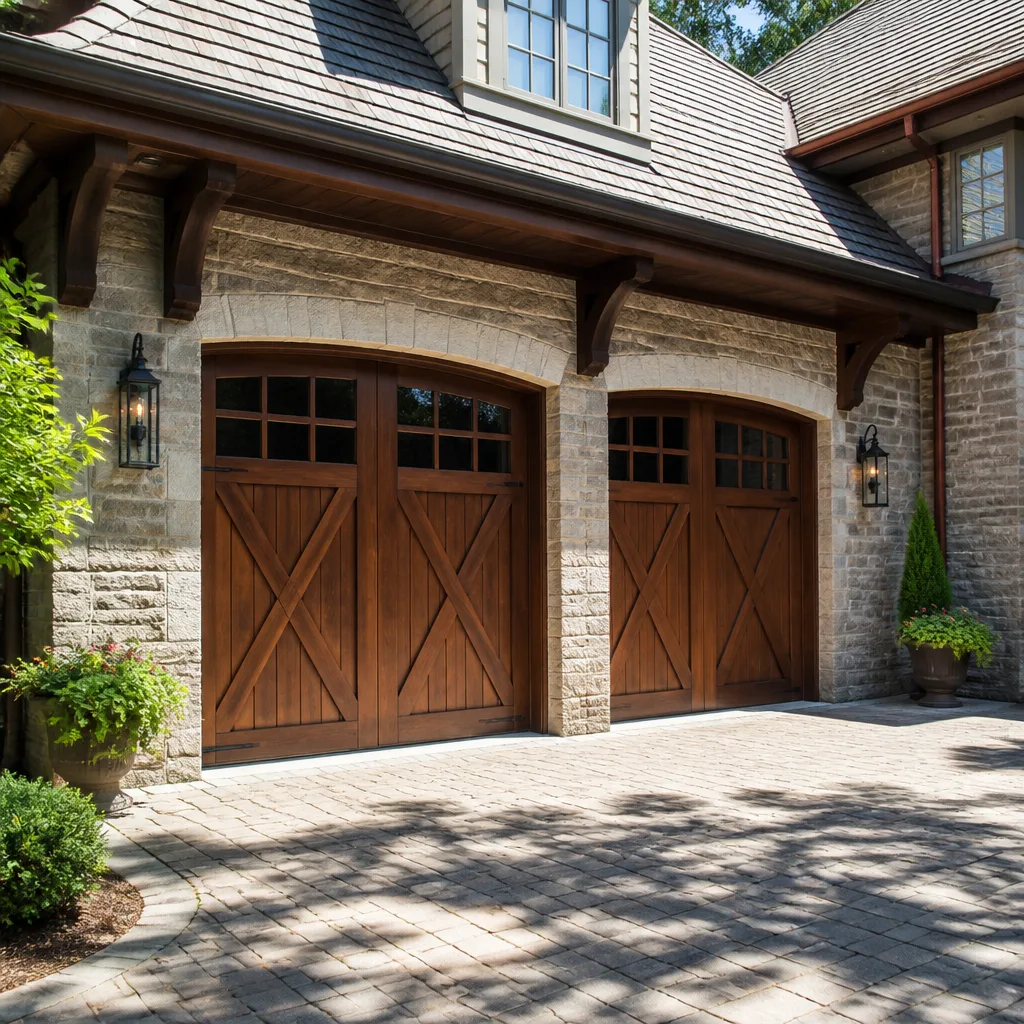 Carriage house
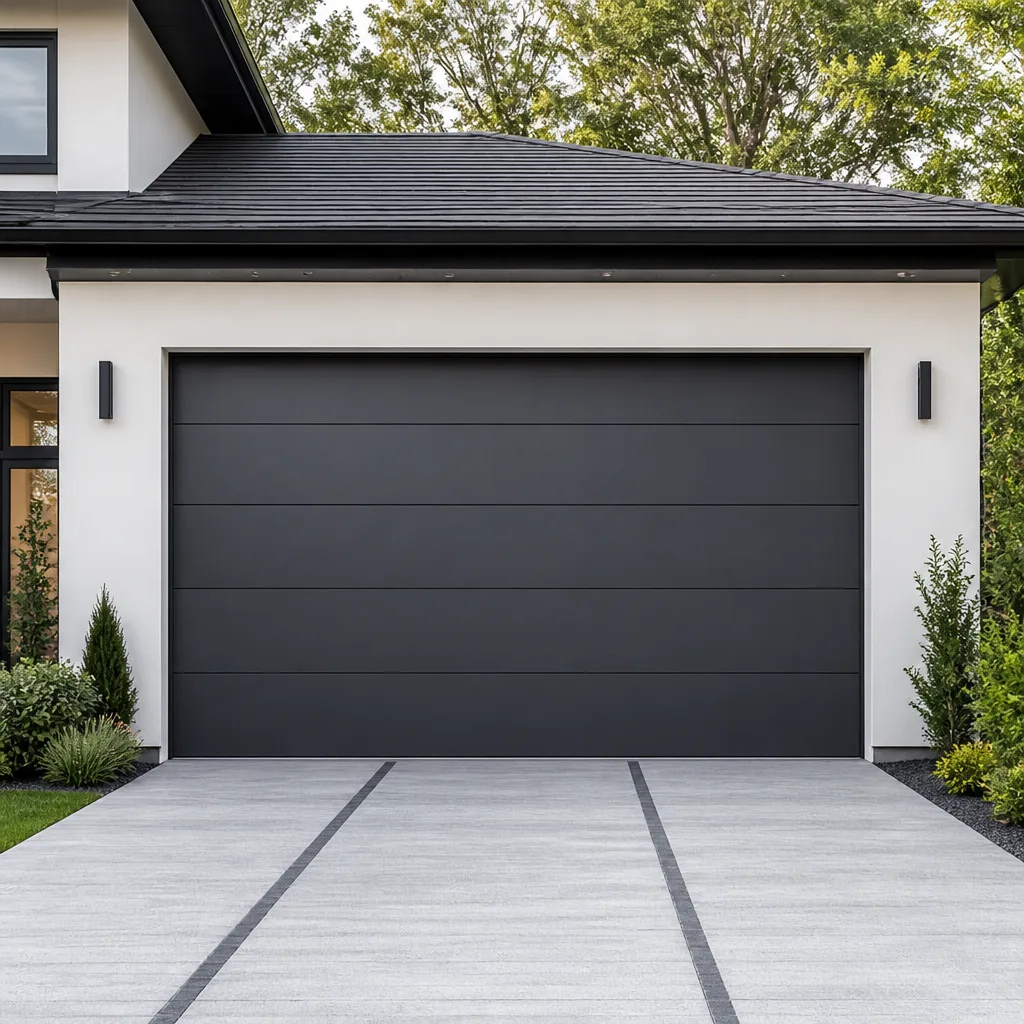 Modern flush
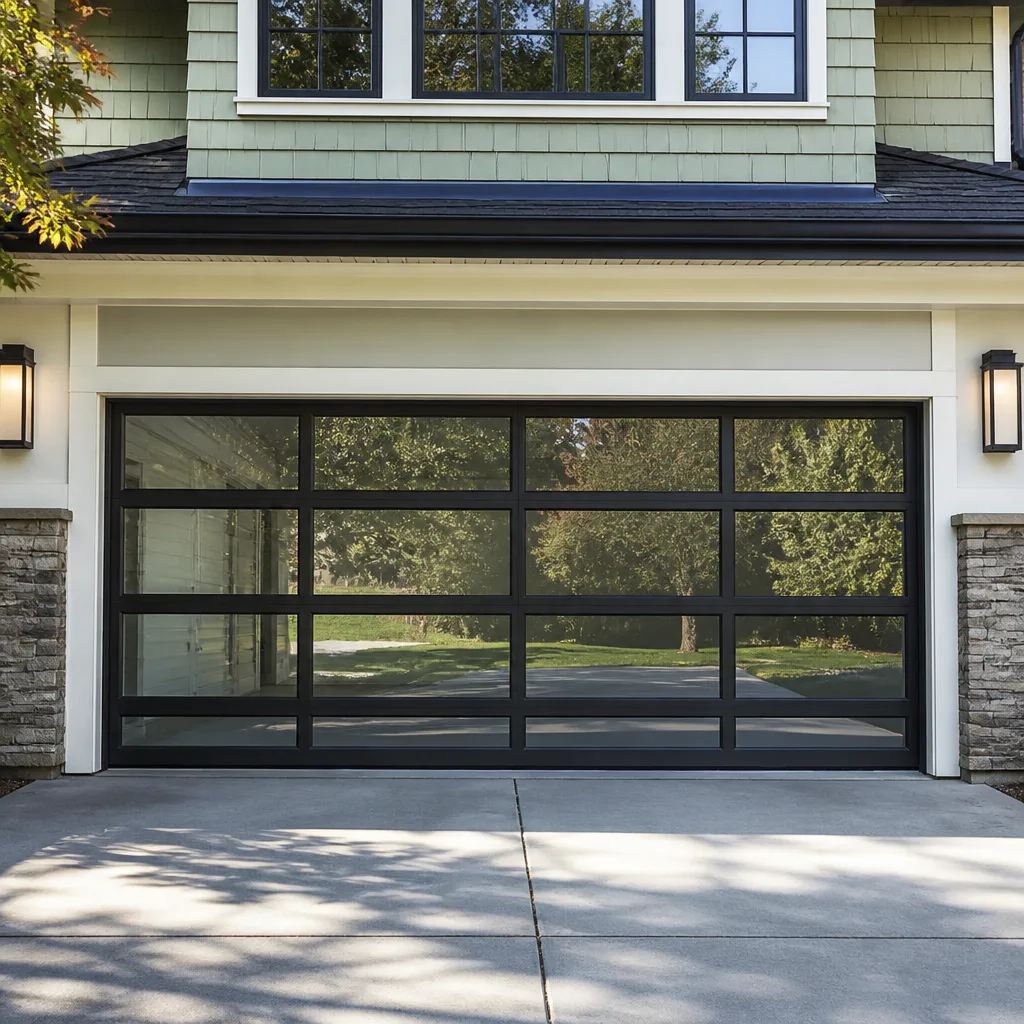 Full-view glass
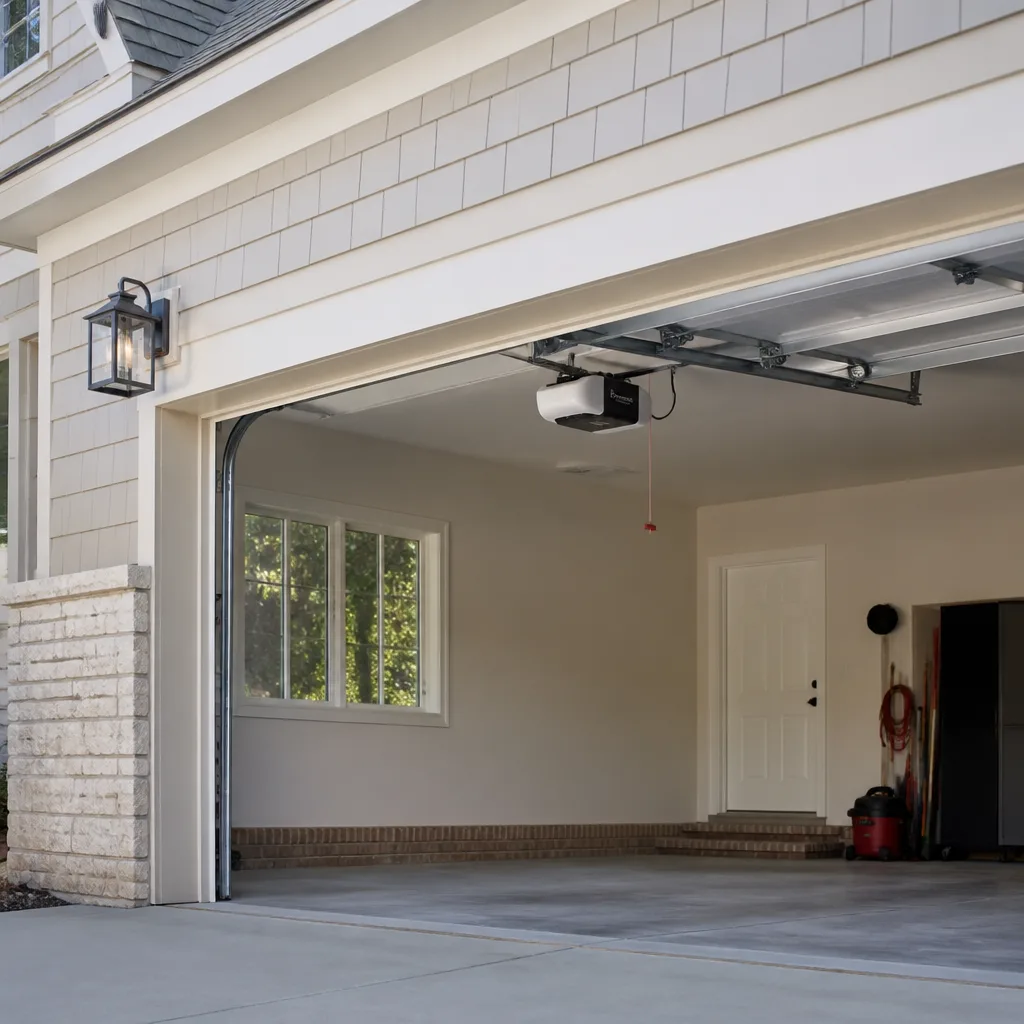 LiftMaster openers
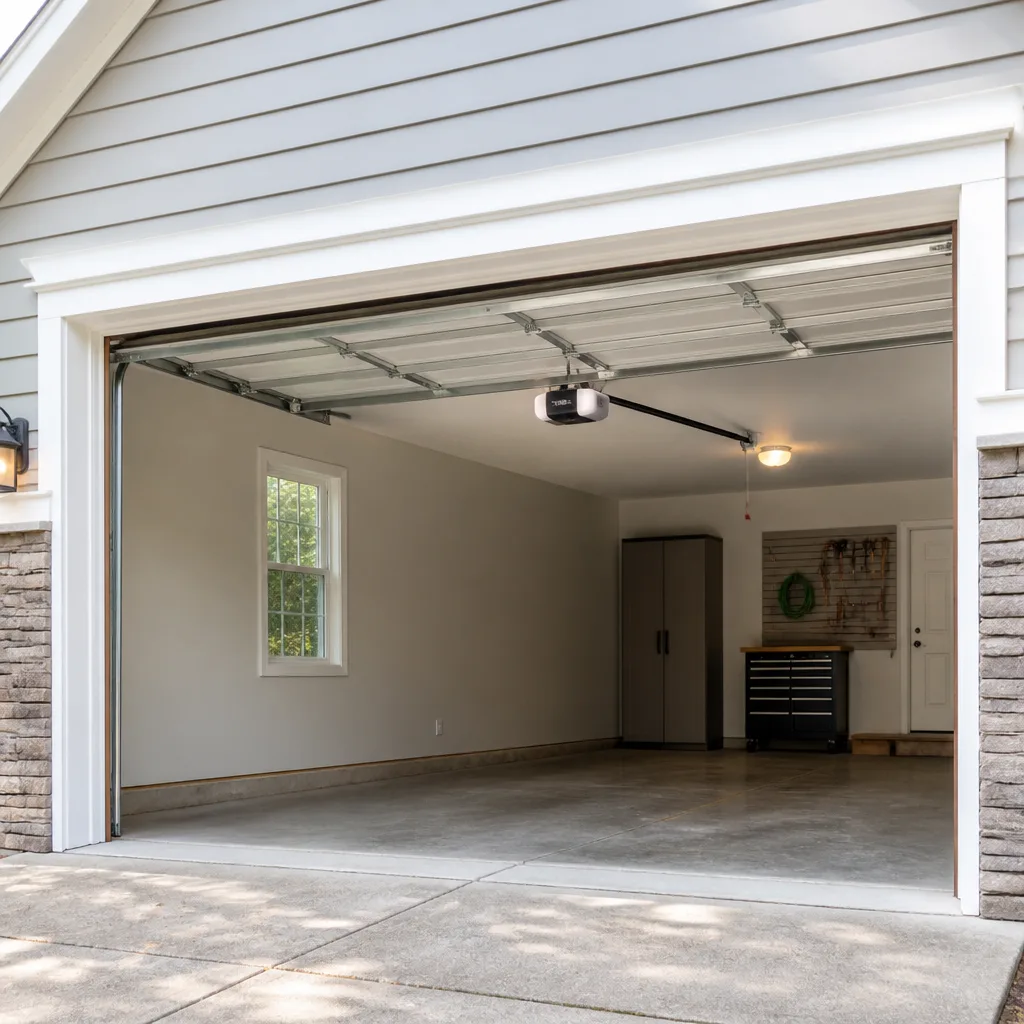 Chamberlain openers
Full 25-point door and opener safety check with every visit - springs, cables, rollers, tracks, and your LiftMaster or Chamberlain opener included
You get a price before we start. It does not change when the pro arrives.
Get your free estimateThe Complete Guide to Garage Doors in Yonkers
Most guides treat a garage door like a generic rectangle. That approach falls apart the moment you look at what’s actually built here. A pre-war colonial in Fieldston with a low-clearance header and a detached carriage house has almost nothing in common with a 2005 townhouse off the South Broadway corridor, and the door, spring and opener specs follow directly from that difference. Picking hardware without accounting for the building it hangs on is how homeowners end up paying twice. This guide walks through Yonkers’ housing eras, the materials that survive our freeze-thaw cycles, the brand landscape you’ll actually find in Westchester, and how to match an opener to a door that was hung decades before smart openers existed.
Quick Answer
A garage door in Yonkers should be chosen by housing era, not by looks alone: pre-war homes usually need custom sizing and low-headroom track layouts, postwar ranches suit standard steel doors, and newer builds can take insulated carriage-style doors with belt-drive openers. Springs, cables and openers should always be sized to the weight and clearance of the specific door. If a repair or replacement is on the table, get a written estimate before any work begins.
Styles & brands we work with
- Raised-panel steel
- Carriage house
- Modern flush
- Full-view glass
- LiftMaster openers
- Chamberlain openers
Table of Contents
- How Yonkers’ Housing Eras Decide Your Door
- Density, Door Widths and Street-Facing Curb Appeal
- Which Materials Hold Up Against Yonkers Weather and Road Salt
- The Brand Landscape You’ll Actually Find in Westchester
- Matching Opener Horsepower to Door Weight and Clearance
- Repair or Replace: How to Tell Which Makes Sense
- Why Springs and Cables Are a Safety Line, Not a DIY Project
- What to Do When the Door Won’t Move
How Yonkers’ Housing Eras Decide Your Door
Yonkers is a city of layers. Walk a few blocks and you move through construction decades, and each one left behind a different set of garage constraints. The building decides the door long before the homeowner does, and any honest conversation about replacement starts there.
Here’s how the eras break down and what each one means for your garage:
- Pre-war homes (1920s – 1940s): Common in older parts of the city and in neighborhoods like Fieldston, where Tudor-revival colonials often came with single-car garages or detached carriage houses. These openings are rarely standard width. Headers sit low, framing is dimensional lumber, and spring and track layouts were designed for wood doors that no longer exist. Expect custom sizing and careful measurement.
- Postwar ranches and capes (late 1940s – 1960s): Found across Nepperhan and similar neighborhoods. Nine-foot openings and standard seven-foot heights are common, which makes them the easiest stock to fit. The doors themselves are often original, meaning the opener retrofitted years later may be undersized for the weight.
- 1980s – 2000s subdivisions and townhouses: Newer builds in and around the South Broadway corridor typically use standard double-door sizes, higher ceilings, and framing designed with automatic openers in mind. These garages are the most compatible with modern insulated doors and belt-drive openers.
The practical takeaway: before you shop for a door, measure your opening, header height, ceiling height and side-room clearance. Those four numbers rule out more options than any style choice will.
Density, Door Widths and Street-Facing Curb Appeal
Yonkers is dense in a way that changes how garage doors work. Driveways are short. Side yards are narrow. Many garages sit at the front of the property and face the street directly, which turns a functional door into a visible part of the streetscape. In tighter corridors and hillside streets, you’ll also find driveways steep enough that a door needs to seal well at the bottom to keep water out during heavy rain.
That density has a few practical effects:
- Turning radius matters. Short driveways mean cars line up close to the door. A wider single door or a properly balanced double door reduces the daily risk of a bumper clip that knocks a track out of alignment.
- Street-facing doors get judged. Local rules and neighbor expectations both lean toward doors that fit the block. A brightly colored modern panel door on a street of muted raised-panel doors will draw comments. When in doubt, match the surrounding homes, not a catalog.
- Window and opacity choices affect privacy. On tight lots, glazed top sections can put light and sight lines where you don’t want them. Frosted or tinted panels solve it.
- Sound carries. A chain-drive opener on a shared wall is noisier than you’d expect in close quarters. A belt-drive unit or a properly lubricated screw drive keeps the peace.
If your neighborhood has design review or historic considerations, ask your city’s building department about any permit requirement before you order a door. A quick question early beats a removal later.
Which Materials Hold Up Against Yonkers Weather and Road Salt
The Westchester climate is hard on hardware. Winters swing between freezing nights and mild days, which means freeze-thaw cycles run through the season. Every bit of moisture that gets into a seam or a scratch expands, cracks the finish, and lets rust start. Add road salt spray from city plowing and traffic, and steel doors take a real beating if the finish is thin.
Here’s how the main materials behave in our climate:
- Steel: The most common choice and the best value. Two- or three-layer construction holds up well. Look for a factory finish with a solid warranty line and a bottom seal that keeps water off the edge. The bottom panel is the first place to rust, so inspect it every spring.
- Aluminum: Light and rust-resistant, good on low-clearance openings where weight matters. It dents more easily than steel, so it’s a weaker fit for tight driveways where bumps happen.
- Wood and wood-composite: The right call for older homes where a period-appropriate look matters. Both need repainting or refinishing on a schedule, and winter moisture stresses every joint. If you choose wood, budget the maintenance honestly.
- Insulated composite and carriage-style panels: Good for attached garages where the door sits against living space. Insulation keeps cold air and noise out and helps with condensation on the interior side.
Whatever material you pick, salt is the enemy at the bottom edge and the hinges. Rinsing the bottom panels off in spring and keeping the finish intact does more for lifespan than any single upgrade.
The Brand Landscape You’ll Actually Find in Westchester
National brand lists are often written by people who have never opened a door in Westchester County. What matters to a homeowner is whether a technician can walk up to the system already on the wall and know it without a manual. That’s a different question than which brand markets best.
In practice, the equipment installed and serviced around Yonkers falls into a fairly predictable set:
- Clopay and Amarr dominate residential steel door installations. Their sizing charts cover most standard Western single and double openings, and panels and hardware are widely available, which matters when a section needs replacing.
- LiftMaster and Chamberlain are the most common openers on residential walls. Many carry MyQ connectivity, which adds a step to diagnosing network problems, but the mechanical troubleshooting follows the same logic as older units.
- Genie units show up regularly, especially on homes where a previous owner bought their own opener and had it installed. Older Genie models are often still running.
- Craftsman, Wayne Dalton, and Raynor systems appear less predictably but are common enough to matter. Knowing each one’s spring and cable layout saves diagnostic time.
The reason brand familiarity matters is simple: a technician who has to stop and look up a door’s weight chart or an opener’s model-specific incompatibility is a technician who is guessing. We work on all eight of these brands, from the opener motor to the bottom panel, so the diagnosis is on the door in front of us, not in a catalog.
Matching Opener Horsepower to Door Weight and Clearance
A garage door opener isn’t a bolt-on upgrade. It’s a motor sized to a specific door, on a specific track, in a specific ceiling. Get that equation wrong and you get a door that stalls halfway, a motor that burns out early, or a reverse sensor that trips for no obvious reason. Older Yonkers homes make this harder than new builds do.
Start by understanding the two constraints: weight and clearance.
- Weigh the door, roughly. A single-car steel door runs lighter than a double; insulated doors run heavier than uninsulated ones of the same size. Wood doors from earlier decades are often heavier than a modern equivalent. The opener has to lift the door, not fight it, so the springs do the heavy work and the motor does the rest.
- Check ceiling height and headroom. Standard track needs about twelve inches of headroom above the door. If your garage has less, a low-clearance or low-headroom track is required. In older homes with shallow headers, that’s the usual answer. High-lift track, which tucks the door closer to the ceiling, needs more headroom and isn’t an option in many Yonkers garages.
- Match the drive type. Belt-drive is quiet and good for attached garages. Chain-drive is louder but tough. Screw-drive sits in between. Jackshaft openers, which mount on the side wall instead of overhead, are the answer when ceiling space doesn’t exist at all, though they need a torsion spring setup rather than extension springs.
- Confirm the safety features. The reversing mechanism and the safety sensors are non-negotiable. Any opener installed today needs both, and the sensors must be mounted so a car, dog or small child passing under the door trips the reverse.
- Plan for smart controls. Wi-Fi-enabled openers from Chamberlain and LiftMaster make sense for households that want app control, but the network setup is a separate job from the mechanical installation. Plan it as part of the scope, not an afterthought.
If you’re unsure which opener suits your door, our garage door opener repair team can size it against the door you have and tell you whether repair is the better call than replacement.
Repair or Replace: How to Tell Which Makes Sense
No honest guide can tell you that replacement is always the answer. Plenty of Yonkers doors come through a service call in better shape than the homeowner expected. What matters is matching the fix to the actual condition of the door, not to a sales quota.
Here’s the honest diagnostic, in order:
- Inspect the panels. Dents and cosmetic damage can often be repaired or a single section replaced. A door with structural rust through the bottom panel, or a bent section that stops the tracks from running true, is usually better replaced.
- Look at the springs. Worn springs can be replaced on their own. If they’re original and the door is due for a wider overhaul anyway, replacing springs alongside new panels or a new door saves a repeat visit.
- Check the tracks and hinges. Bent tracks can be straightened in most cases. Hinges and rollers are consumables and get replaced as part of routine service.
- Test the opener. If the motor runs but the door doesn’t move, the problem is usually the door, not the opener. If the opener is old and loud and the door is otherwise sound, replacing the opener alone is often the cheapest answer.
- Consider the age of the door overall. A door that has needed two major repairs in a short span is usually telling you something. At that point, a replacement estimate is worth comparing against another repair.
That’s the frame we use when a homeowner asks. Our garage door repair team gives a straight answer on which one makes more financial sense for your door, and our garage door installation team handles the replacement if that’s the call. Estimates are free and the price is agreed before any work starts.
Why Springs and Cables Are a Safety Line, Not a DIY Project
Garage door springs sit under constant tension, and when one lets go it releases that stored energy in a fraction of a second. Cables handle the same load alongside the springs. Touching either without training and the right tools is one of the highest-risk jobs a homeowner can attempt, and injuries from garage door springs are a real and well-documented hazard in this trade.
What you can safely do is check for the warning signs:
- A door that feels suddenly heavy when you lift it by hand (with the opener disconnected, standing clear)
- A door that stops partway up and won’t complete the lift
- A loud snap you hear from the garage when the door is at rest
- Visible gaps or separation in the spring coils
- Cables that look frayed, kinked, or have slipped off their drum
- A door that hangs crooked, with one side lower than the other
Any of those signals means stop operating the door and get a trained technician to look at it. The springs store enough energy to break bones, and the wrong tool or grip is enough to trigger a release. We name spring repair as a dedicated service for exactly this reason: it’s not a job to improvise. If you’re seeing any of the signs above, our garage door repair line can get a technician out to assess it, and we’ll tell you plainly whether a spring replacement or a bigger fix is the right move.
What to Do When the Door Won’t Move
A door that won’t open is a security problem, a lockout problem, or both, depending on which side of it you’re on. Cars trapped inside, a house with an open garage, or a car locked out on the driveway all count as urgent, and they don’t always happen at convenient times. Emergency garage door service exists for exactly those situations and is a core part of what we do, not a scheduled-only sideline.
Here’s what to do before help arrives:
- Stop pressing the remote. Cycling a stuck door strains the opener motor and can make the problem worse. Leave it be.
- Disconnect the opener if you can do it safely. The manual release cord hangs from the trolley. Pulling it (only while the door is fully closed, and only if you can reach it without standing under the door) disengages the operator so the door can be lifted by hand, if it isn’t jammed.
- Don’t force a jammed door. If the door won’t lift with normal hand pressure after the release is pulled, it’s jammed and forcing it can drop the door or snap a cable. Leave it and call.
- Secure the opening. If the door is stuck open and the house is exposed, close or block the space from the inside and call.
- Call for emergency service. Give the technician the door’s brand, opener model if you know it, and what the door is doing (or not doing). That shortens the diagnosis.
Our emergency response covers the situations where the door genuinely can’t wait, including outside standard hours. If you’re stuck, call us at (833) 690-5368 and we’ll get a technician moving.
Common Mistakes to Avoid
- Ordering a door before measuring the opening. Pre-war Yonkers garages often don’t fit stock sizes, and returning a custom door is expensive. Measure opening width, header height, ceiling height and side-room clearance first.
- Replacing the opener when the door is the problem. If the motor runs and the door stalls, the spring or track is usually the culprit. A new opener won’t fix a binding door.
- Choosing a door by color alone. Yonkers streets are close together. A door that clashes with the block will get noticed by neighbors, and possibly by any local design review that applies to your street.
- Ignoring the bottom seal. Freeze-thaw cycles push water into the bottom panel edge, which is where rust starts. A cheap seal replacement in fall prevents a panel replacement in spring.
- Skipping the spring check when the door feels heavy. A door that has become hard to lift by hand is telling you the spring is failing. Waiting for the snap is how a routine repair becomes an emergency call.
- Attempting a spring replacement without training. It’s the single most dangerous repair on a garage door, and it’s not a project to learn on. Call a technician.
- Assuming a smart opener fixes a mechanical problem. App control doesn’t change the physics of a heavy door or a misaligned track. Address the mechanics first.
See the difference
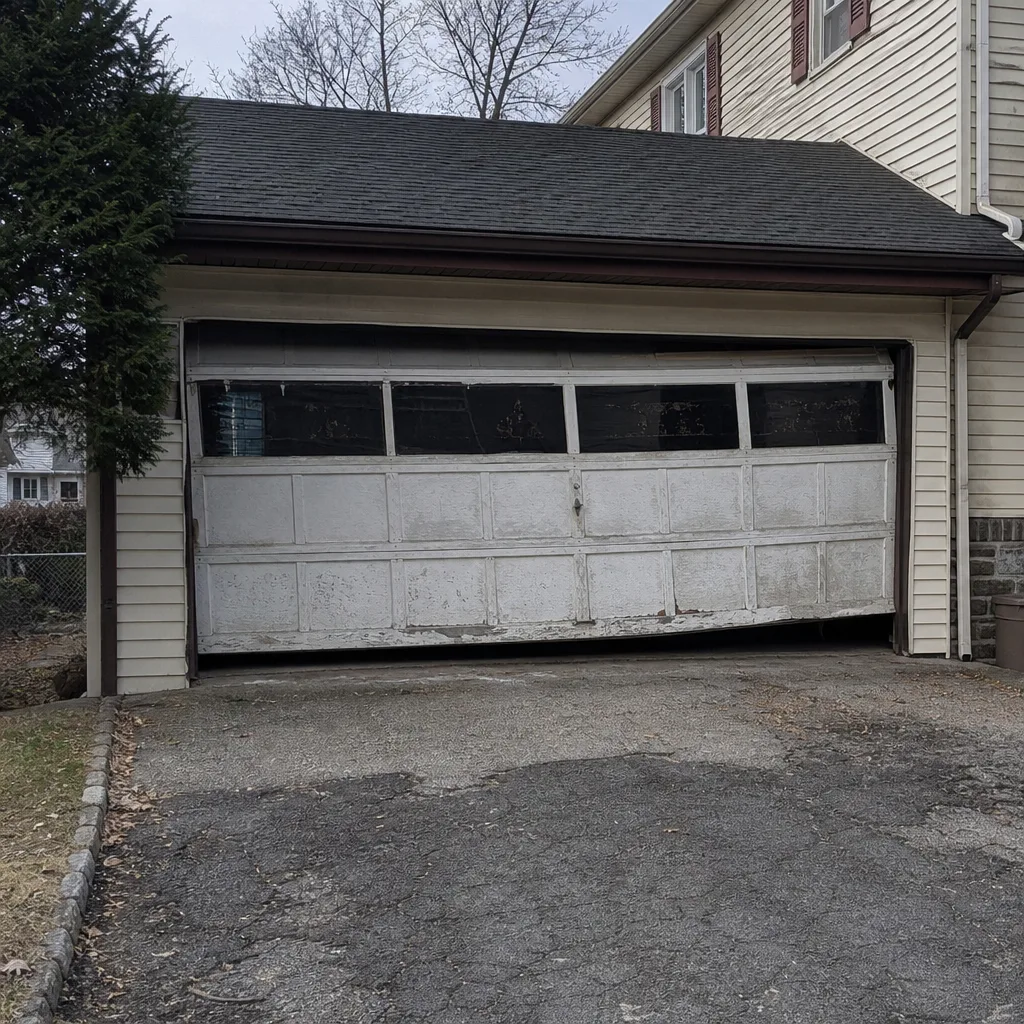 Before
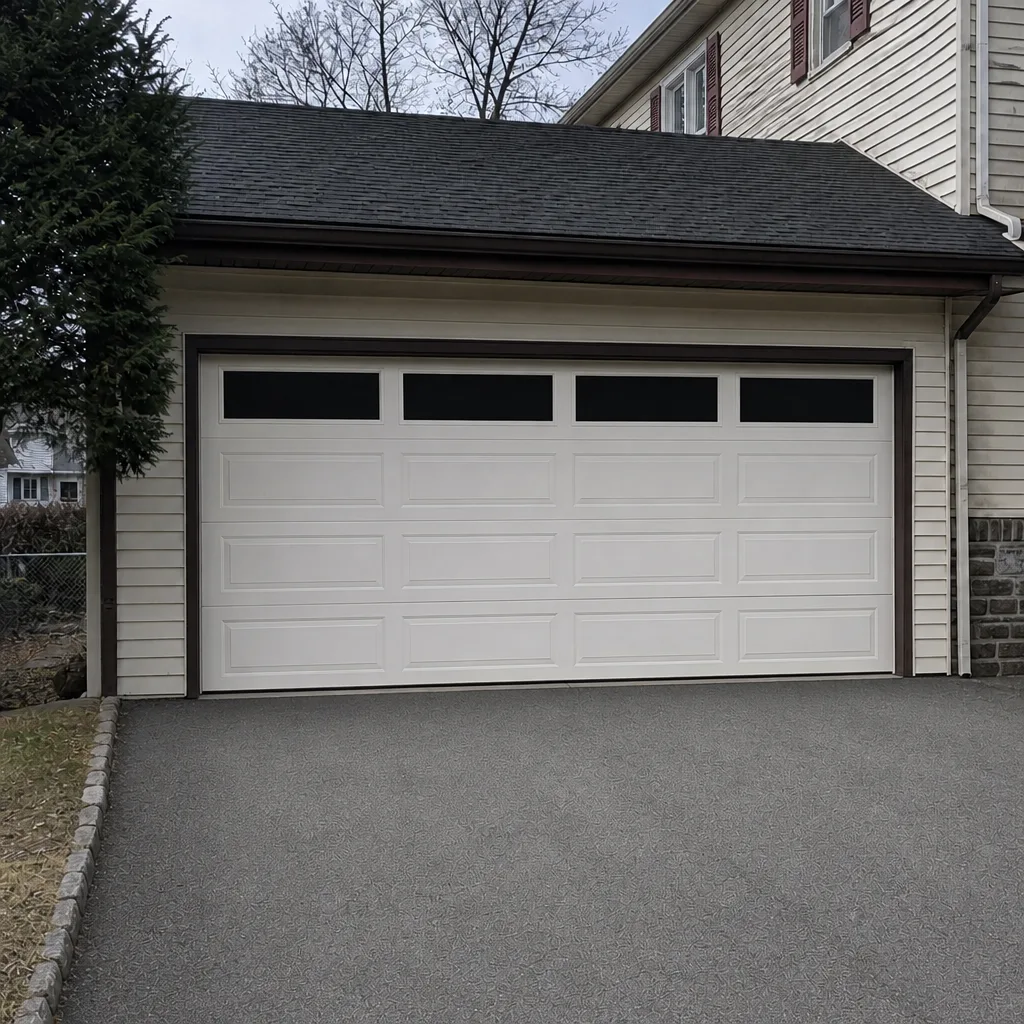 After
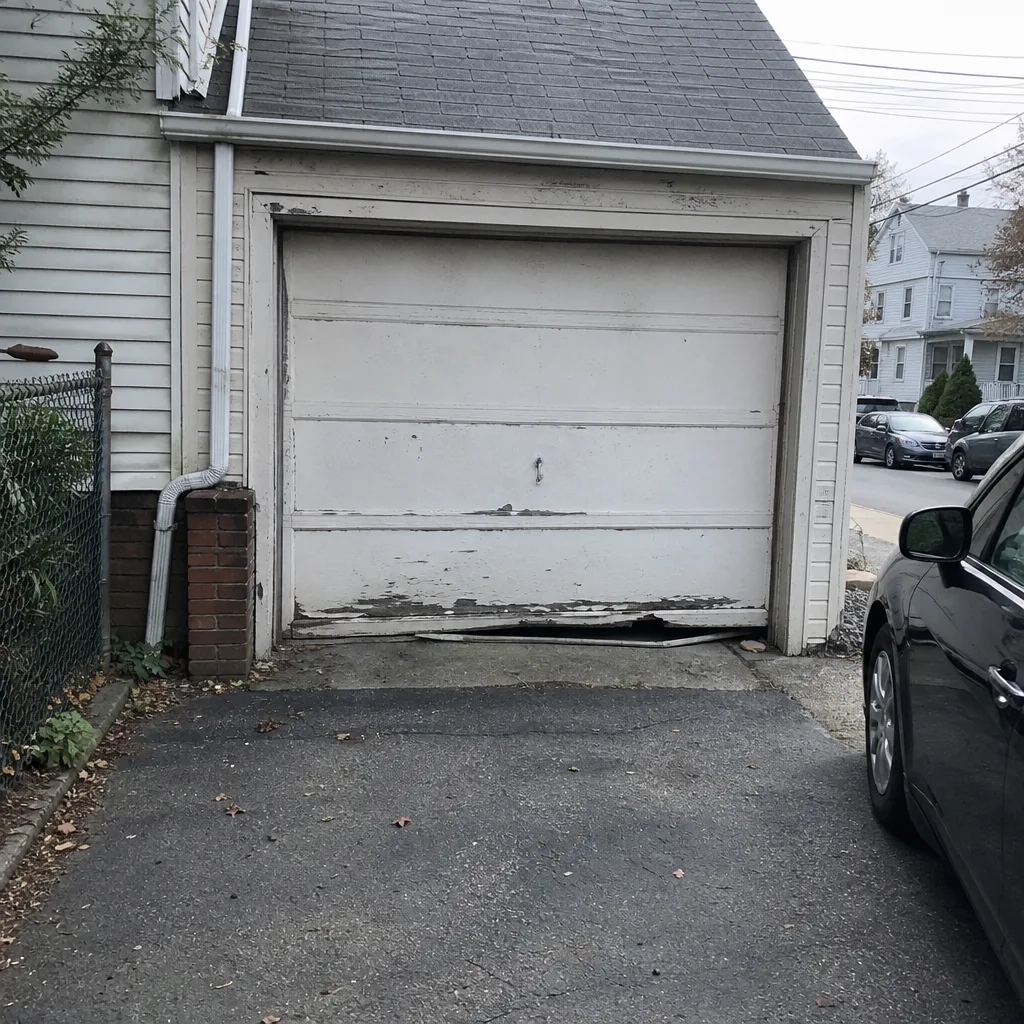 Before
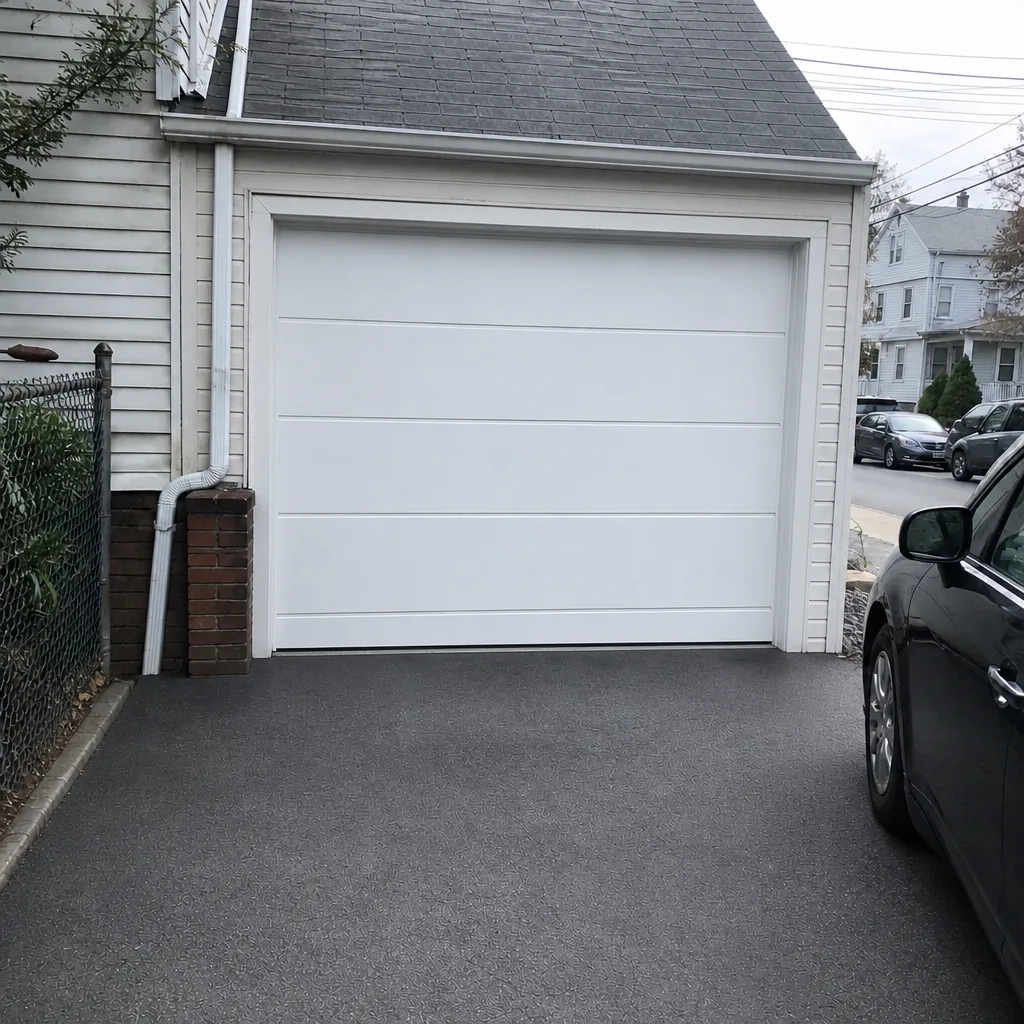 After
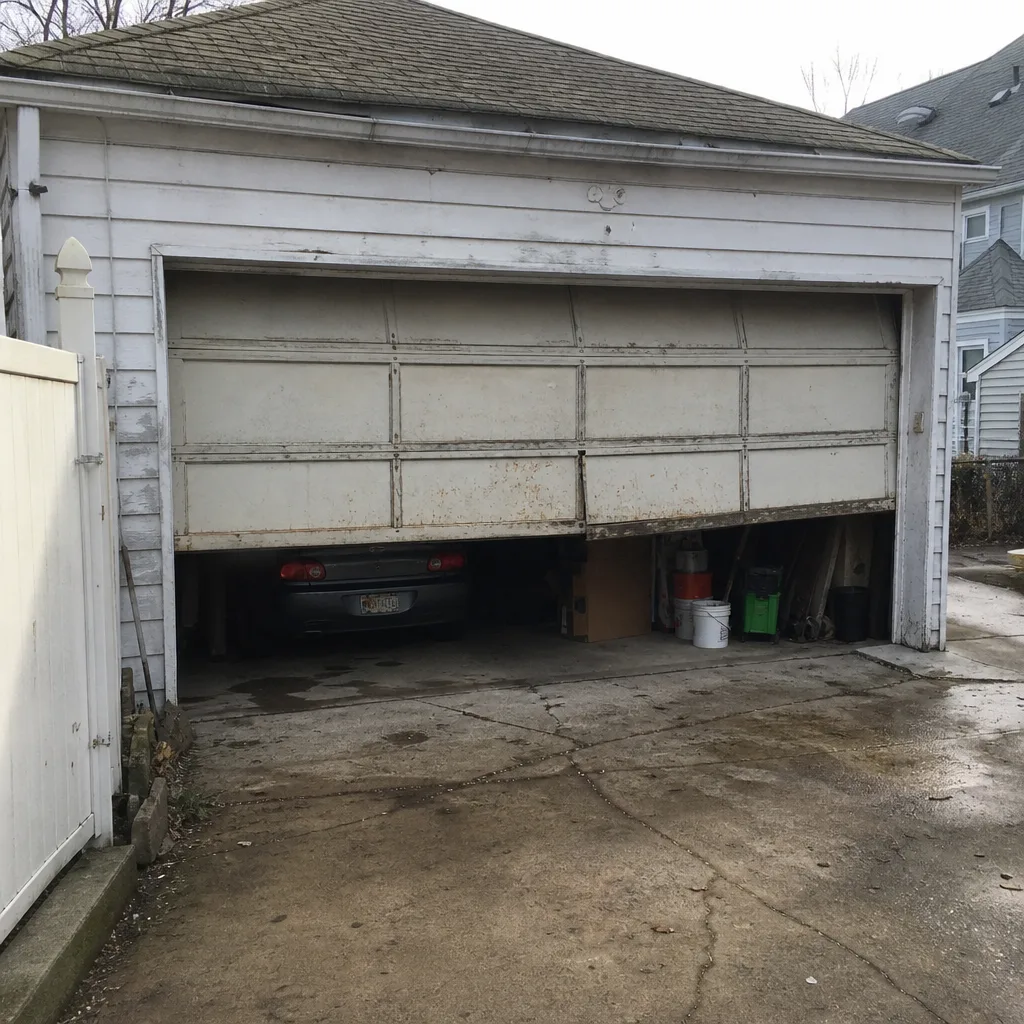 Before
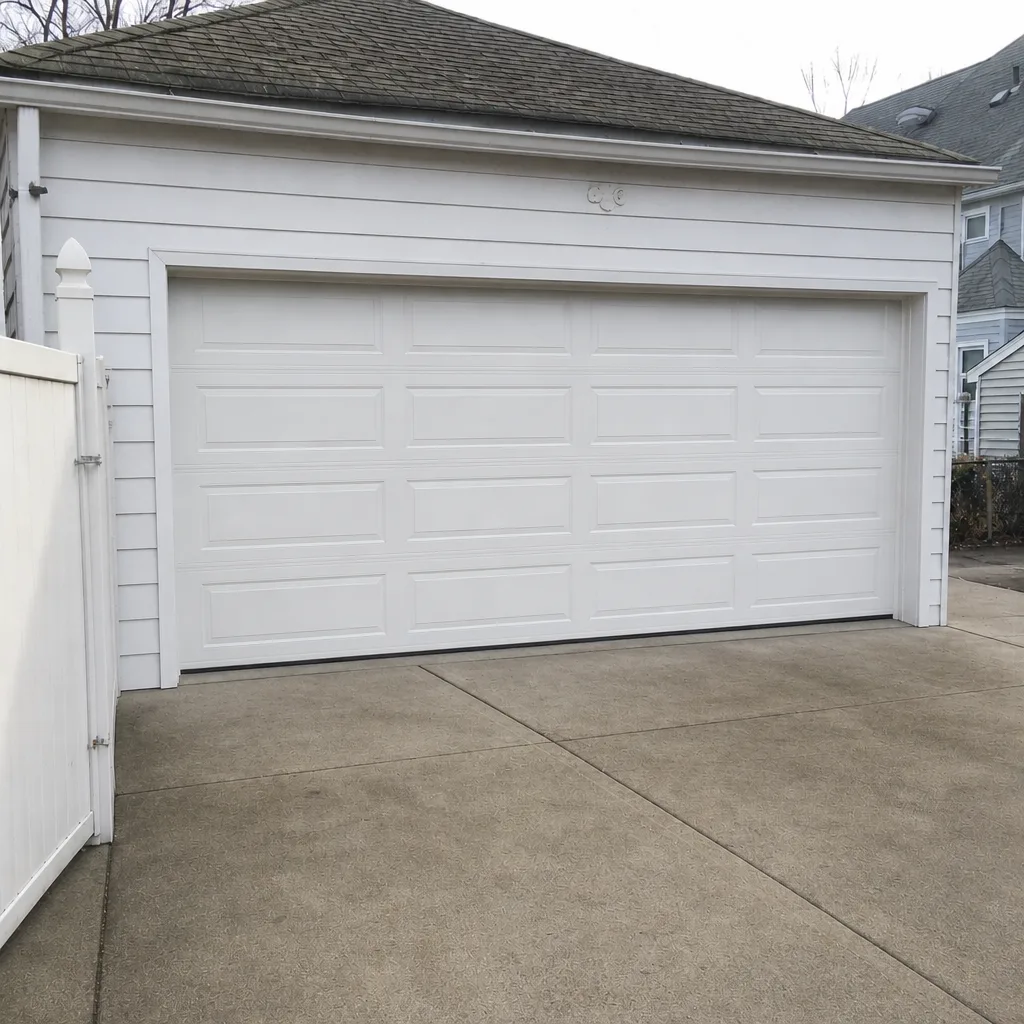 After
When to Call a Professional
Some jobs are worth a call, and some genuinely shouldn’t be attempted. Broken springs and snapped cables are in the second group, without exception. So are doors that have jumped their tracks, doors that hang visibly crooked, and openers whose reversing mechanism no longer works, because that feature protects everyone who walks under the door. Bent panels that affect the door’s travel, rusted-through bottom sections, and noisy openers that sound worse each week are all good reasons for a service call before they escalate. If you’re unsure whether your issue is urgent, treat it as urgent until a technician says otherwise. Garage Door Repair Yonkers Pros offers free estimates in Yonkers, with the price agreed before any work starts, so there’s no need to gamble on a guess. Call (833) 690-5368 and we’ll figure out what your door needs.
Frequently Asked Questions
Typical garage door repairs in Yonkers run from a modest service-call rate for track adjustments and roller replacements up to higher figures for spring replacement or major panel work, and every job ends with a written estimate before we start. Costs depend on the door type, the part needed, and whether the fix is mechanical or electrical. Call (833) 690-5368 for an exact quote, because estimates are free.
Emergency garage door service is available for situations where a door is jammed, off its track, or trapping a car, and urgent calls get priority. When you call (833) 690-5368, describe what the door is doing and whether it’s blocking the house, and we’ll tell you what we can do. For genuinely dangerous situations like a snapped spring, stop operating the door and call.
No. Every job is quoted and agreed with you before any work starts, and the written estimate sets the price. If we discover something during the visit that changes the scope, we’ll show you and get your agreement before we continue. You’ll never get an invoice bigger than the quote.
The local professionals we connect you with are licensed and insured as required by New York State and hold the training to service the equipment they work on. Our technicians have up to 15 years of experience and are trained across eight major garage door and opener brands. Call (833) 690-5368 for a free estimate.
We work on the brand you already own. Our technicians are trained to service LiftMaster, Chamberlain, Genie, Clopay, Amarr, Wayne Dalton, Craftsman and Raynor equipment, so there’s no guesswork about your system. If a repair genuinely doesn’t make sense, we’ll tell you why before suggesting a replacement.
It depends on the door’s structural condition, not just its cosmetic appearance. Panels, springs, tracks and openers can each be repaired individually, so the honest answer often comes down to whether the door is worth continued investment. Get a written estimate on both repair and replacement, compare them, and choose the one that makes sense for your situation. Call (833) 690-5368 for both.
The Bottom Line
Yonkers’ housing stock spans a century, and that history shows up in your garage. Pre-war homes need custom sizing and low-clearance track; postwar ranches take standard steel; newer builds handle insulated carriage doors and belt-drive openers. Whatever your starting point, the door, spring and opener need to be sized to your actual opening and clearance, and the finish needs to handle our freeze-thaw cycles and road salt. Repair first when it makes sense, replace when it doesn’t, and never touch a spring. That’s the whole decision tree in a paragraph.
Written by the team at Garage Door Repair Yonkers Pros.