Last updated November 21, 2026
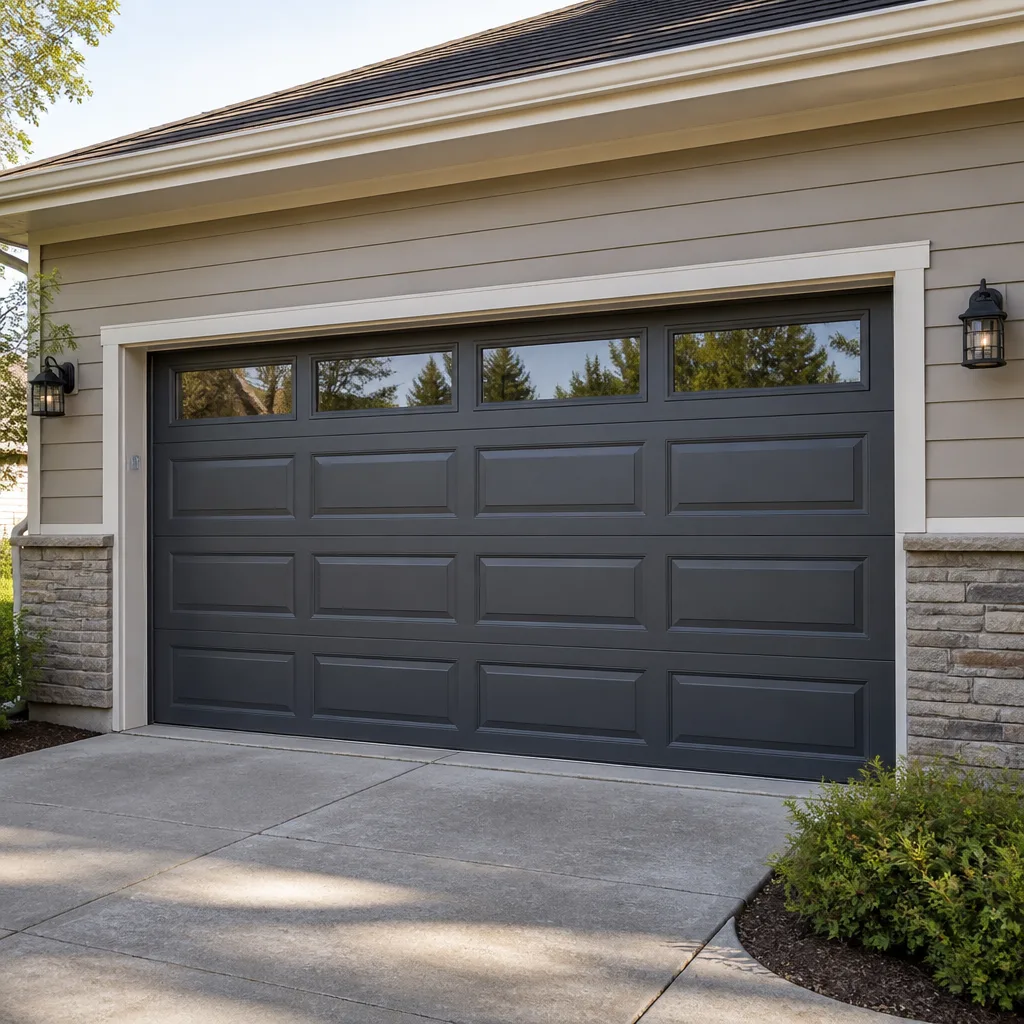 Raised-panel steel
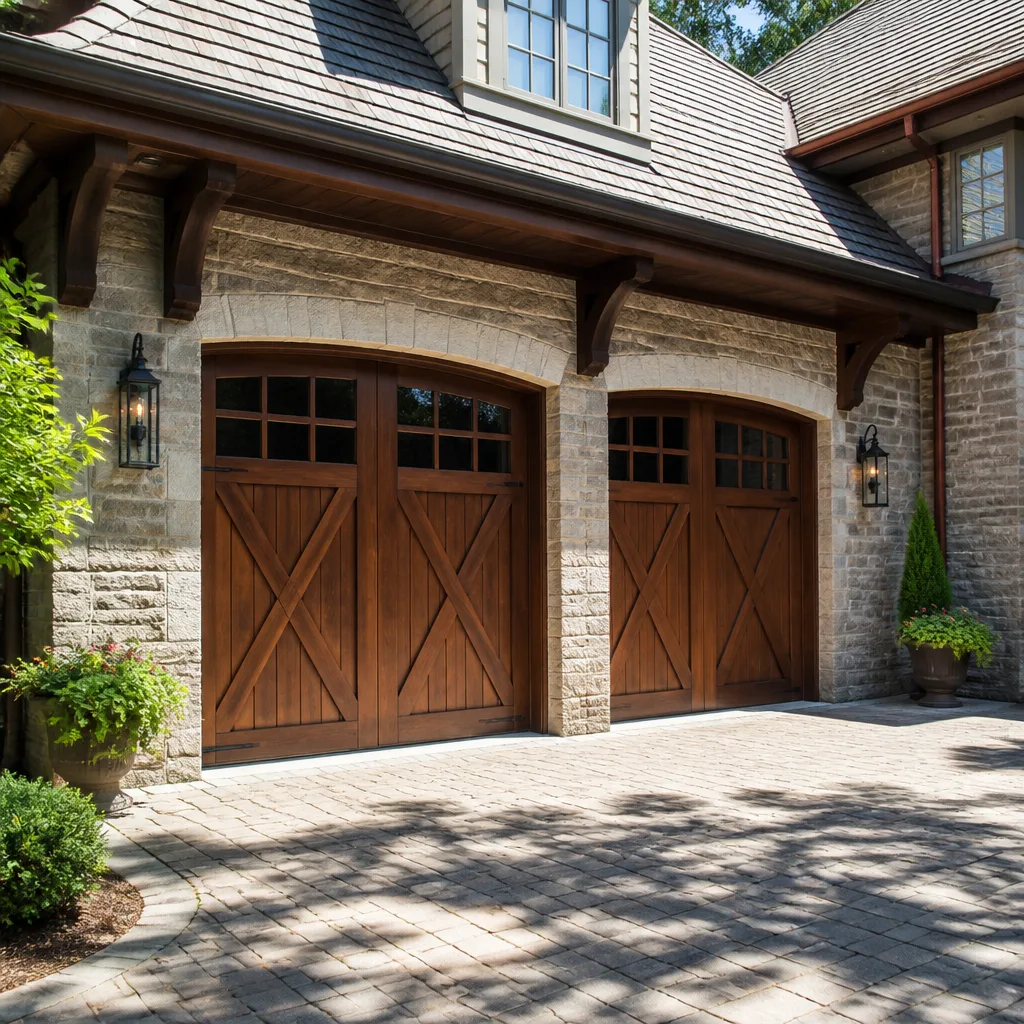 Carriage house
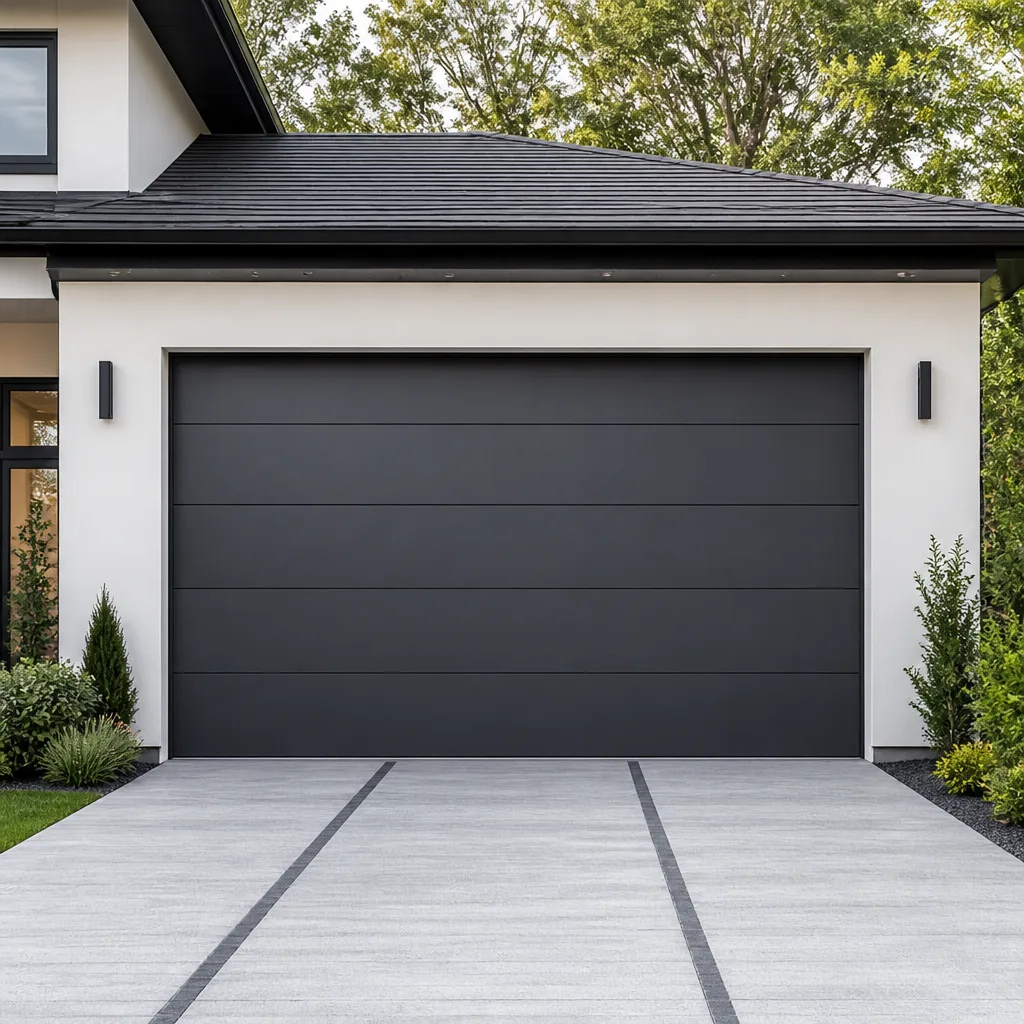 Modern flush
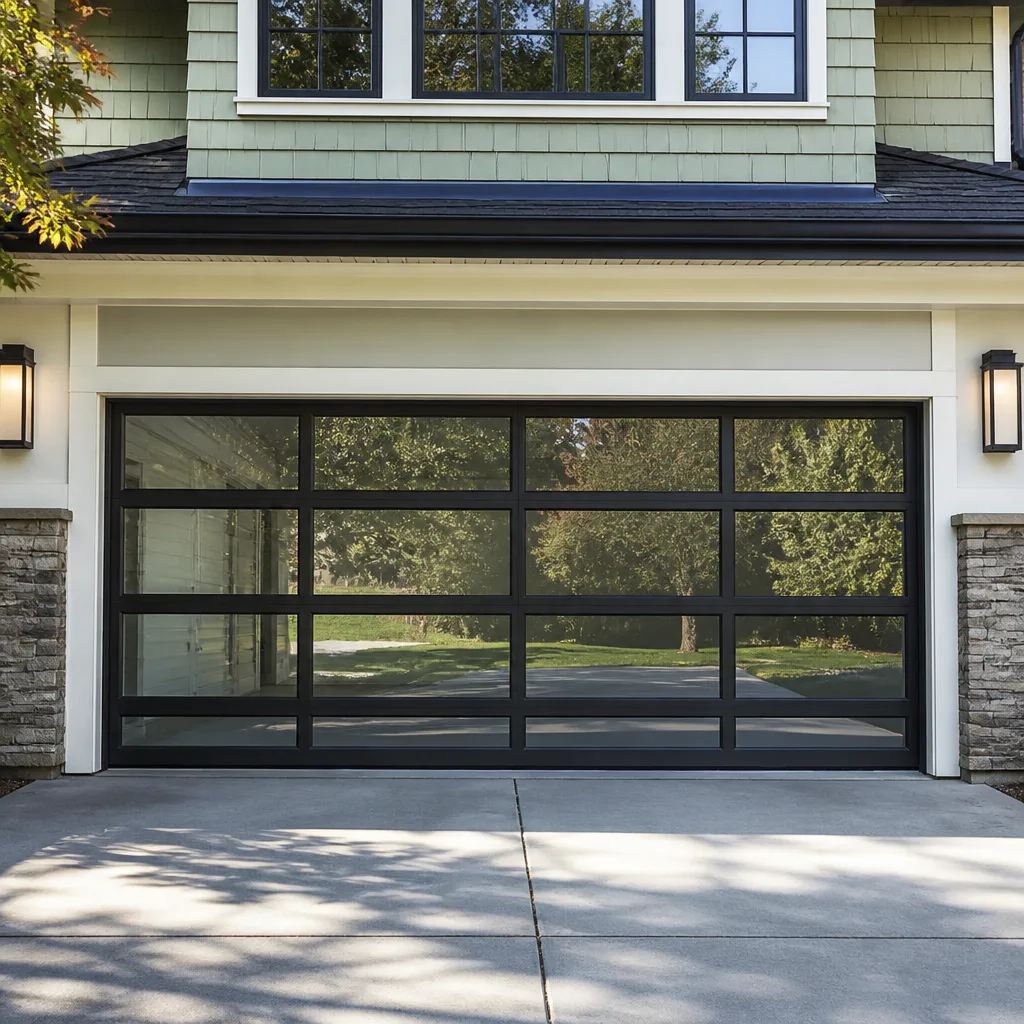 Full-view glass
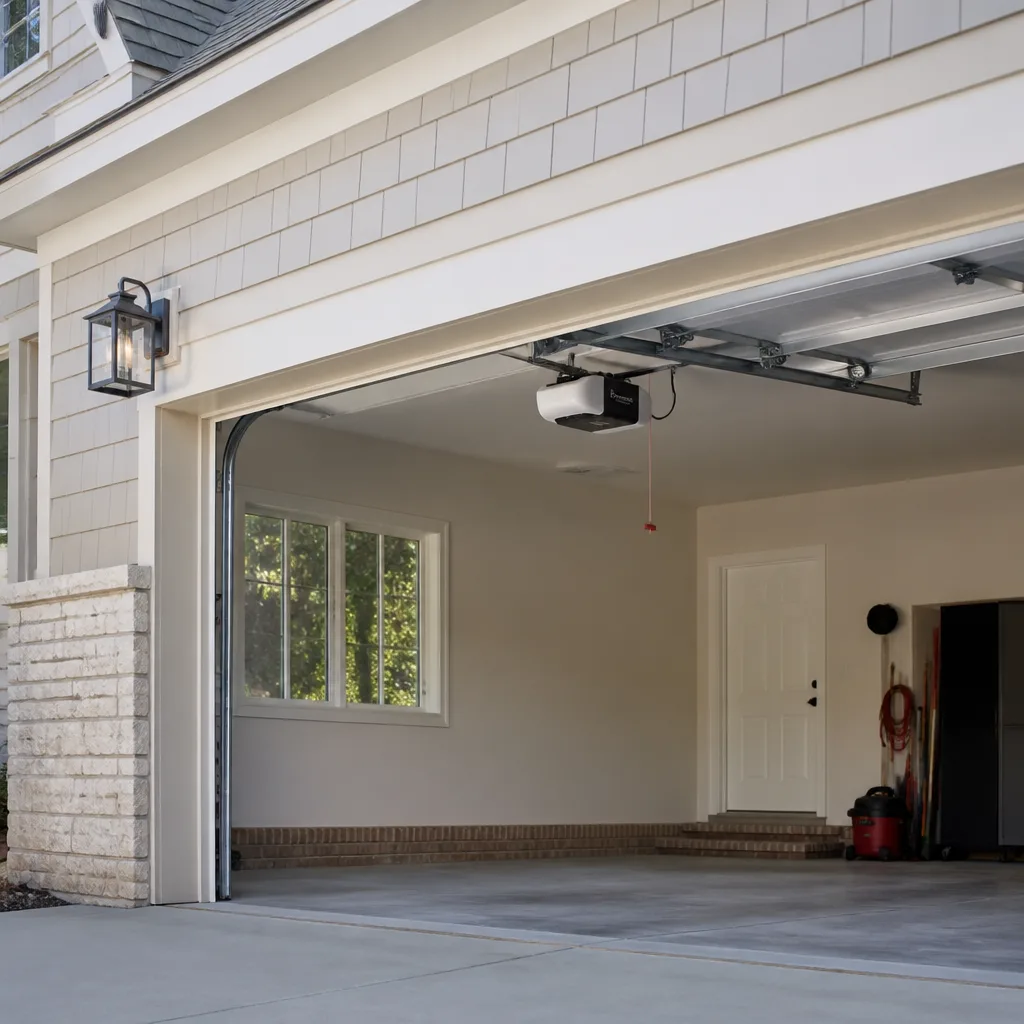 LiftMaster openers
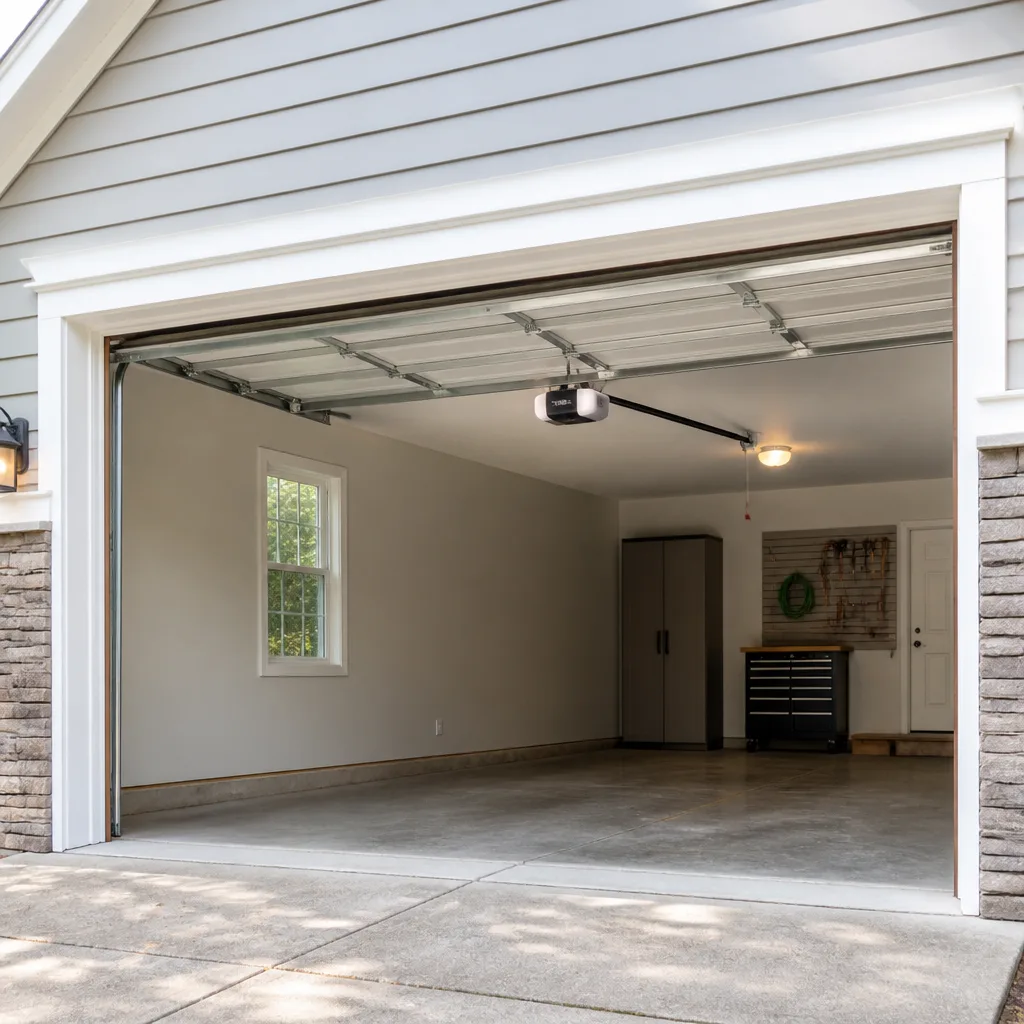 Chamberlain openers
Full 25-point door and opener safety check with every visit - springs, cables, rollers, tracks, and your LiftMaster or Chamberlain opener included
You get a price before we start. It does not change when the pro arrives.
Get your free estimateDIY vs Professional Garage Door: The Yonkers Homeowner’s Decision Guide
A wound torsion spring stores roughly 100 foot-pounds of torque. That isn’t a scare statistic – it’s a physics fact, and it explains why “watch a YouTube video” isn’t an adequate qualification for that one repair, no matter how handy you generally are. The same door also has components you can fix in ten minutes with a screwdriver and no risk at all. The real question for Yonkers homeowners isn’t whether you’re skilled enough for garage door work in general. It’s which specific parts of the system carry a stored-energy risk that skill can’t cancel out, and which ones are genuinely safe to handle yourself with the right information. This guide draws that line component by component.
Quick Answer
Most garage door maintenance – weatherseal replacement, lubrication, remote reprogramming, safety-eye alignment, minor cosmetic dent repair – is homeowner-safe and worth doing yourself. Anything involving torsion or extension springs, cables, the bottom bracket, or the door’s balance under tension is not a DIY job, because the danger comes from stored force rather than from lack of skill. When in doubt in Yonkers, call Garage Door Repair Yonkers Pros at (833) 690-5368 for a free estimate before you touch the hardware.
Styles & brands we work with
- Raised-panel steel
- Carriage house
- Modern flush
- Full-view glass
- LiftMaster openers
- Chamberlain openers
Table of Contents
- Why Skill Level Is the Wrong Question
- The Component-by-Component DIY Safety Matrix
- Springs: The Physics That Rules Out DIY
- The Tools Torsion Work Requires
- DIY vs Professional Cost Comparison in Yonkers
- Yonkers Codes and Homeowner’s Insurance
- What Westchester County Weather Does to Your Door
- Balance, Tracks and Rollers: The Middle Ground
- The Three-Question Decision Flowchart
Why Skill Level Is the Wrong Question
Homeowners in Yonkers tend to sort garage door problems into two buckets: things I can fix, and things I can’t. That sorting happens by gut feel, and gut feel is a poor guide here because the highest-risk jobs on a garage door don’t look hard. Unwinding a torsion spring takes maybe two minutes with a winding bar and a steady hand. What makes it dangerous isn’t difficulty. It’s the energy already stored in the spring before you start.
Think about what a spring actually does. A residential torsion spring holds the full weight of the door – often 150 to 250 pounds on a double door – in suspension, so the opener only has to nudge it up and down. That stored force is present whether the person releasing it is a first-time DIYer or a technician with fifteen years on the tools. Training doesn’t eliminate the force; it teaches you how to control it in stages, with the right bars, and how to recognize when a spring is about to fail rather than unwind cleanly.
The same logic runs in reverse for easy jobs. Replacing the bottom weatherseal on a Yonkers door is a genuinely approachable Saturday morning task. Repainting a scuffed bottom panel is fine. Reprogramming a Craftsman or Chamberlain remote takes a few minutes. If you lump all garage door work into “call a pro,” you’ll overspend on jobs that don’t carry risk. If you lump it all into “I’ll handle it,” you’ll eventually meet a spring.
The rest of this guide separates the two with specific components, specific costs for the Yonkers market, and a short decision path you can run through in your head in under a minute.
The Component-by-Component DIY Safety Matrix
This is the core of the guide. Every common garage door and opener problem falls into one of three columns: comfortably DIY, monitor-and-proceed with care, or stop and call. Where a component stores kinetic energy under tension, it belongs in the last column regardless of your experience.
Safe to do yourself
- Bottom weatherseal replacement. The rubber strip along the floor takes on water and driveway grit, dries out, and splits. It slides out of a channel and a new section slides back in. No tension involved.
- Lubrication. Hinges, rollers, and the torsion bar need periodic lubrication to stop squealing. A garage-door-specific lubricant applied to moving joints is a low-risk maintenance habit.
- Remote and keypad reprogramming. Clearing old remotes and pairing a new one is a button sequence in the opener’s manual, not a mechanical repair. This applies to LiftMaster, Genie, and Craftsman openers alike.
- Safety-eye alignment. If the door reverses on its own, the photo-eye near the floor is often knocked slightly out of line. Straightening the bracket and re-aiming the lens is safe and often fixes the problem outright.
- Minor cosmetic dent repair on a steel panel. A shallow dent on a lower panel can sometimes be worked out from behind or filled and touched up, as long as the door isn’t binding and the panel isn’t creased at the hinge line.
Monitor and decide with care
- Roller and hinge wear. Replacing rollers is within reach for a patient homeowner, but only with the door fully open and secured, and only once you understand how the door is tensioned. If rollers are seized or the door shudders, that’s a balance problem, not just a roller problem.
- Track adjustments. A track knocked out of plumb by a bump can sometimes be nudged back. A track that’s bent at the curve needs replacement, and that’s not a homeowner job.
- Opener force and travel settings. Adjusting limit switches is doable if you follow the manual exactly. Changing force settings to force a dragging door closed masks a deeper problem and can defeat the safety reverse.
Stop and call
- Torsion or extension springs of any kind. Broken, sagging, or simply old enough to be suspect.
- Cables. Both the lift cables at the sides and the safety cable through an extension spring. Cables are under the same tension as the spring and can whip when they fail.
- The bottom bracket. The bracket that anchors the lift cable at the bottom corner of the door is the single most dangerous fastener on the assembly when the cable is under load.
- A door off its track, or a door that has come down crooked. Forcing it back onto the track can bend panels, break the opener arm, or drop the door.
- Any electrical work inside the opener or a wall-mounted control panel. Treat opener wiring with the same caution you’d give any household circuit.
If your problem lands in that third list, stop reading the tutorial and get a trained technician out. Our garage door repair work covers exactly these jobs, and we’ll quote the price before any work begins.
Springs: The Physics That Rules Out DIY
A torsion spring is a wound steel coil that counterbalances the door’s weight. When it’s wound to the correct number of turns, it’s holding a force that can easily exceed the weight of the door itself. When it breaks, that energy releases in an instant, and the spring, the winding bar, or a loosened cable can move faster than anyone can react.
This is why spring work isn’t a skill question. It’s an exposure question. A trained technician spends most of a spring call-up not on the winding itself but on setup: clamping the door so it can’t move, confirming the cables are seated and the bottom brackets are sound, choosing the correct replacement spring for the door’s weight and drum size, and winding in controlled quarter turns while watching the cable. The winding takes a moment. Everything around it takes longer, and that’s the part that keeps the job safe.
Extension springs, common on older doors around Yonkers, have their own risk profile. They stretch along the track above the door rather than twisting on a bar, and they can fail violently if a safety cable isn’t threaded through the center. If you have extension springs and no safety cable, that’s worth addressing even before a spring breaks. We keep garage door opener repair and spring work as separate services for exactly this reason: the two need different tools, different precautions, and different diagnostics.
In our experience, the failure mode we see most often isn’t a homeowner who tried to wind a spring. It’s a homeowner who ignored a spring for years because “it still works.” A sagging door, a gap at the top, a door that slams down harder than it used to – those are symptoms of a spring that’s lost tension, not of an opener that needs replacing. Treat them as a signal to get the door looked at.
The Tools Torsion Work Requires
This section exists to answer a fair objection: “If a technician can do it with two metal bars, why can’t I?” The honest answer is that the bars are the cheapest part of the setup, and without the rest of the list the bars are the most dangerous part. Here’s what a proper torsion spring job actually involves.
- Matching winding bars. The correct diameter and length for the specific spring cone. A screwdriver, a socket extension, or a piece of rebar is not a substitute – it can slip out of the winding hole under load.
- C-clamps or locking pliers sized to the track. Used to lock the door in the fully open position so it can’t drop while the spring is unwound.
- A spring scale or door-weight reference. Torsion springs are matched to the door’s weight. Installing a spring that’s too light or too heavy puts the wrong load on the opener and cables.
- Correct replacement springs matched to drum size and door height. This is where a lot of DIY attempts fail quietly – the spring fits, the door goes up, and six months later the opener is straining and the cables are stretching.
- New cables, drums, and bottom brackets as needed. Replacing a spring on worn cables is a short-lived repair.
- Lifting and clamping equipment. A garage door panel is heavier than it looks and awkward to hold. If you need to work on a door that’s already partially down, the setup alone takes two people.
None of this is exotic. All of it is specific. And it’s exactly the reason a homeowner with genuine mechanical ability still hands this job to a technician: the risk isn’t in the turning motion, it’s in what happens if the setup is incomplete when the spring lets go.
Our technicians have up to 15 years of experience, and we train specifically on spring work – one of the highest-risk repairs on the whole door. If you’re in Yonkers and a spring has let go, call (833) 690-5368. We’ll confirm the door’s weight and spring type, quote the job, and only then start.
DIY vs Professional Cost Comparison in Yonkers
Let’s compare the same job done both ways, honestly. DIY looks cheaper on the receipt, but it carries two costs the receipt doesn’t show: your time, and the cost of a second repair if the first one causes a secondary failure. Here’s how the numbers typically land in the Yonkers market.
| Job | DIY parts cost (typical) | Professional estimate (typical) | DIY verdict |
|---|---|---|---|
| Bottom weatherseal replacement | $30 – $70 | $120 – $220 installed | Safe DIY, worth doing yourself |
| Remote reprogramming / new remote | $20 – $45 | $90 – $160 including a remote | Safe DIY if you have the manual |
| Lubrication and tune-up | $10 – $25 in lubricant | $110 – $200 for a full tune-up | Safe DIY for the basic lube; a tune-up is worth it once a year |
| Single torsion spring replacement | $40 – $90 for a spring | $180 – $340 per spring | Not DIY – stored energy risk |
| Matched spring pair | $80 – $180 for a pair | About twice the single-spring price | Not DIY – replace as a pair |
| Off-track door realignment | Not a parts job | $150 – $350 | Not DIY – door can drop |
| Opener replacement | $150 – $350 for the unit | $350 – $700 installed | Not DIY – wiring and travel settings |
Read the spring rows carefully, because this is where DIY math goes wrong. A single spring costs $40 to $90 at retail, versus $180 to $340 for a professional replacement – a real gap. But springs are almost always replaced as a matched pair, because a new spring next to an old one puts uneven load on the door and shortens the life of both. So the honest comparison is a pair of springs against a pair of springs, and a pair costs roughly twice the single-spring range. Add your time, the winding bars, and the real risk of a secondary failure, and the gap narrows fast.
Where the DIY savings are genuinely real is the top three rows. Weatherseal, remotes, and lubrication are the jobs where you keep the money and lose nothing. Where DIY is a false economy is anything on a spring, cable, bracket, or opener – not because the parts are expensive, but because a botched first attempt usually costs more than the original repair.
Our pricing is per job by estimate, and the written estimate is the price. Call (833) 690-5368 for a free estimate on any job in Yonkers, and we’ll tell you plainly whether it’s worth hiring out or doing yourself.
Yonkers Codes and Homeowner’s Insurance
This is the section most guides skip, and it matters in Yonkers specifically because much of the city’s housing stock is older than the garage door currently hanging on it. Garage doors that were added to a house decades after it was built often sit on framing and electrical work that has been repaired or modified more than once. If you’re planning to change the door itself, if you’re adding a new opener, or if you’re running new electrical to a wall control, check with the city’s building department before you start. Most cities require a permit for structural changes to a garage opening and for new electrical circuits, and Yonkers is no exception. Ask them directly rather than assuming.
On the insurance side, the rules are less about permits and more about cause. A homeowner’s policy responds to accidental damage, not to work performed incorrectly by the homeowner. If a spring you wound yourself lets go and damages the door, the opener, or a car parked underneath, the insurer can reasonably decline the claim on the grounds that the failure came from unpermitted or unskilled work. The same failure from a professional repair is a different conversation entirely.
There’s a second, quieter issue: resale. If you sell a Yonkers home and a buyer’s inspector flags an unpermitted garage door modification or a self-installed opener with no documentation, that becomes a negotiating point. A professional installation leaves a paper trail, and a professional repair leaves you with a written record of what was replaced and when. Neither costs extra.
The practical rule: cosmetic and maintenance work, do it yourself. Structural, electrical, or spring work, get it done properly and keep the paperwork. A quick call to (833) 690-5368 will tell you which category your job falls into.
What Westchester County Weather Does to Your Door
Yonkers sits in a climate that swings hard across the year – humid summers, cold winters, and a freeze-thaw cycle that’s hard on anything metal, rubber, or wooden outdoors. That pattern shows up on garage doors in predictable ways, and it’s worth knowing which problems are climate-driven so you don’t replace parts that are fine.
- Bottom weatherseal wears faster than the rest of the door. The seal sits in contact with the driveway, takes on water, freezes, and splits. In Yonkers it’s the single most replaced part on any door, and it’s also the easiest to replace yourself.
- Metal panels expand and contract. A steel door in a cold snap is marginally smaller than the same door in July, which can make a door that ran quietly all summer sound like it’s catching on something in January. Often it’s not a repair – it’s the season.
- Lubricant thickens in the cold. A door that squeals in February is often asking for lubrication, not a new opener. This is a genuinely safe DIY fix.
- Wooden doors move. Older wood doors around Yonkers can swell in humid weather and bind in the frame. If a wooden door is sticking, check whether it’s the door or the track before assuming the worst.
- Springs fatigue faster in a climate that cycles. A spring that’s been through many winters has been through many thermal cycles. Age and use both matter, and a spring that’s still working isn’t necessarily a spring that’s sound.
Knowing the climate also helps you time maintenance. Late fall, before the first hard freeze, is a sensible moment to check the bottom seal and lubricate the moving parts. That one habit prevents a good number of the winter calls we get in Yonkers.
Balance, Tracks and Rollers: The Middle Ground
Between the safe-DIY list and the stop-and-call list sits a middle category where a careful homeowner can do useful work and a careless one can make things worse. Balance is the key concept here. A properly balanced door stays put when you lift it halfway and let go. It doesn’t fall, and it doesn’t rise.
To check balance safely: disconnect the opener (most have a manual release cord), lift the door to waist height by hand, and let go. If it stays, the door is balanced. If it drops, the spring tension is wrong. If it rises on its own, the spring is over-tensioned. Either of those last two means the spring needs adjustment, and that’s a stop-and-call job, not a DIY one.
Rollers and hinges are the other middle-ground item. A worn nylon roller is cheap and replacing one is within reach for a patient homeowner. But seized rollers usually point to a door that’s been running out of balance, which takes you back to the spring. Same with a track that looks slightly out of line – if the door itself is running true and only the track looks off, a small adjustment is fine. If the door is binding, the track isn’t the problem.
If you’re unsure which side of the line you’re on, that uncertainty is itself an answer. Our garage door installation work includes replacing doors that were damaged by a bad DIY repair, and it’s a more expensive conversation than a service call. Call (833) 690-5368 and we’ll tell you over the phone whether your issue sounds like a DIY job or a call-out.
The Three-Question Decision Flowchart
Here’s the short version. Three questions, asked in order, will route almost any garage door problem to the right answer. Run through them before you pick up a tool.
- Does the job involve a spring, a cable, the bottom bracket, or an electrical connection inside the opener? If yes, call a professional. This is the physics line – stored energy or live wiring, regardless of your skill.
- If no – is the door running smoothly otherwise? If the door is balanced, moves without shuddering, and the problem is a worn part like the weatherseal, a remote, or lubrication, that’s a DIY job. Do it yourself and keep the money.
- If no, but the door is binding, sagging, or making new noises – can you wait for a scheduled visit? If nobody is locked out and the door still closes securely, it’s a monitor-and-schedule situation. Book a professional inspection at your convenience. If someone is locked out, the door is stuck open, or the door is unsafe to operate, treat it as urgent and call now.
Notice that the flowchart never asks about your ability. That’s the point of the whole guide. The right answer depends on which component is involved, not on how confident you feel. A confident homeowner on a torsion spring is more at risk than a cautious one, because the cautious one stops.
One more thing worth knowing: an off-track door is urgent in Yonkers for a reason beyond the door itself. A door stuck open leaves a home exposed, and a door that’s come off one track can drop without warning. If you’re facing either, don’t try to force it back – call (833) 690-5368 and book emergency service.
Common Mistakes to Avoid
- Using a screwdriver or socket extension as a winding bar. It doesn’t fit the winding hole properly and can slip out under full spring tension. The correct tool is cheap; the mistake isn’t.
- Replacing one spring and leaving the other. A new spring next to an old one loads the door unevenly and shortens the life of both. Springs are replaced as a pair, and a pair costs about twice a single spring.
- Forcing an off-track door back into the track. This bends panels and can drop the door. It’s one of the most common reasons a repair turns into a full replacement.
- Turning up the opener’s force setting to get a dragging door to close. This defeats the safety reverse and masks a balance or spring problem that will get worse. Fix the cause, not the symptoms.
- Ignoring a door that closes with a gap at the top. A gap usually means the spring has lost tension, not that the opener is misaligned. It’s an early warning that a straightforward repair is worth catching.
- Skipping the building department on a new door or a new opener circuit. Yonkers issues permits for structural and electrical changes, and asking the city directly before you start saves a problem at resale.
- Buying a door or opener from a big-box store without checking what’s actually on your house. A Craftsman, Amarr, Wayne Dalton, or Raynor door each has its own spring and hardware sizing. Buying before measuring is how a weekend project becomes a call-out.
See the difference
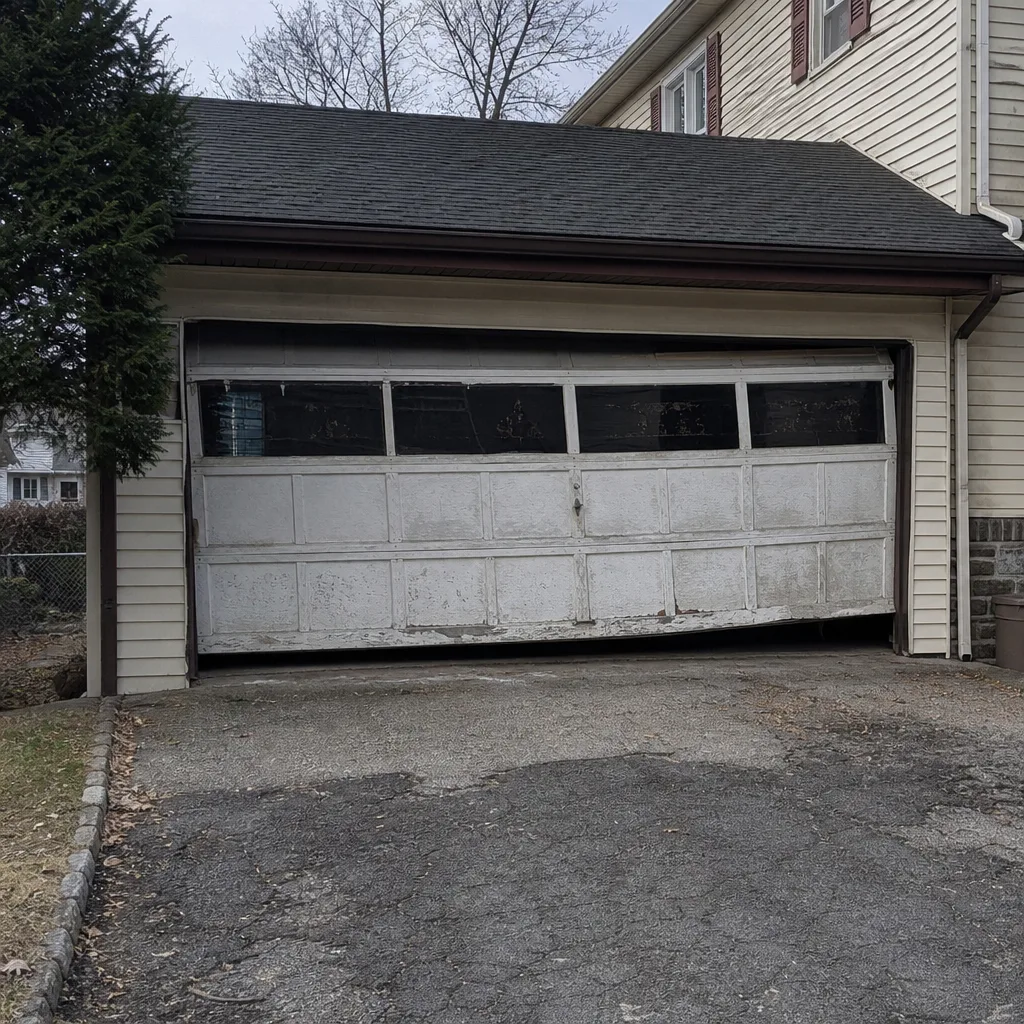 Before
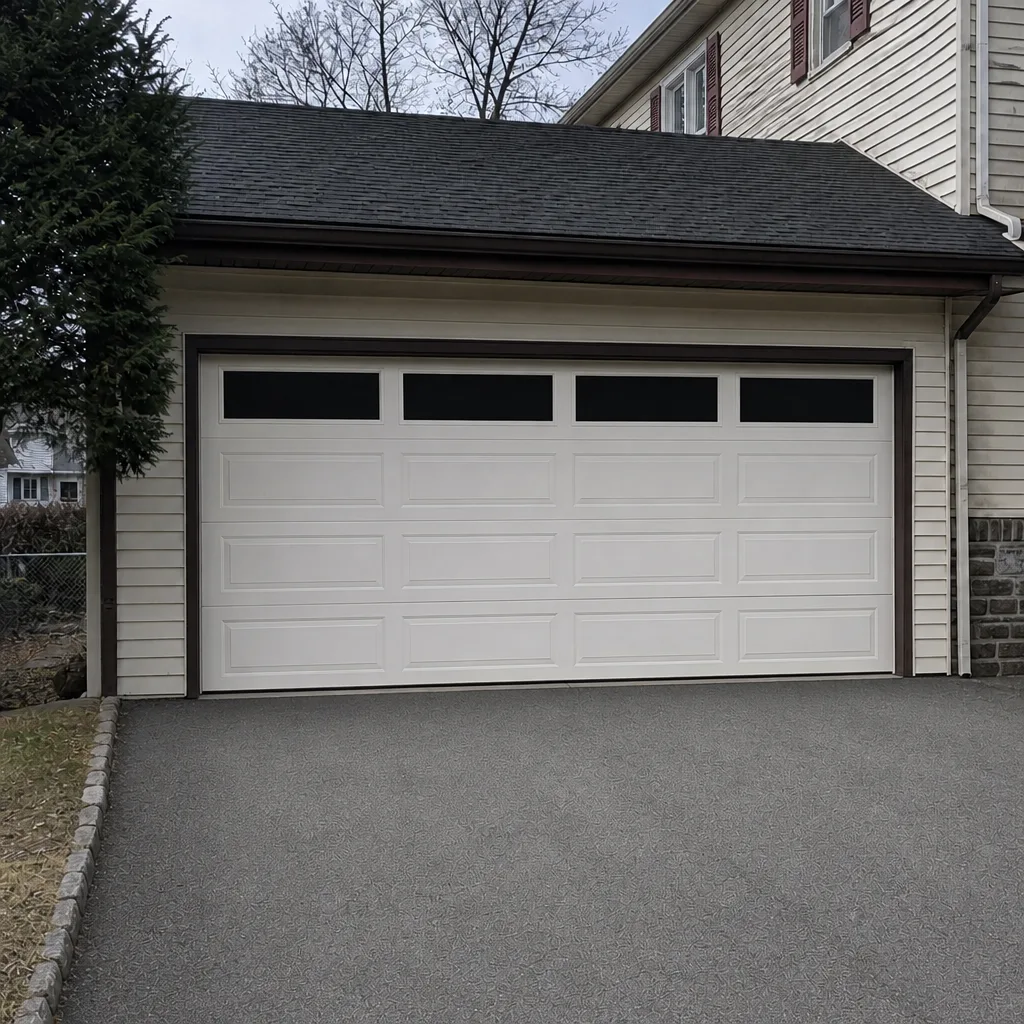 After
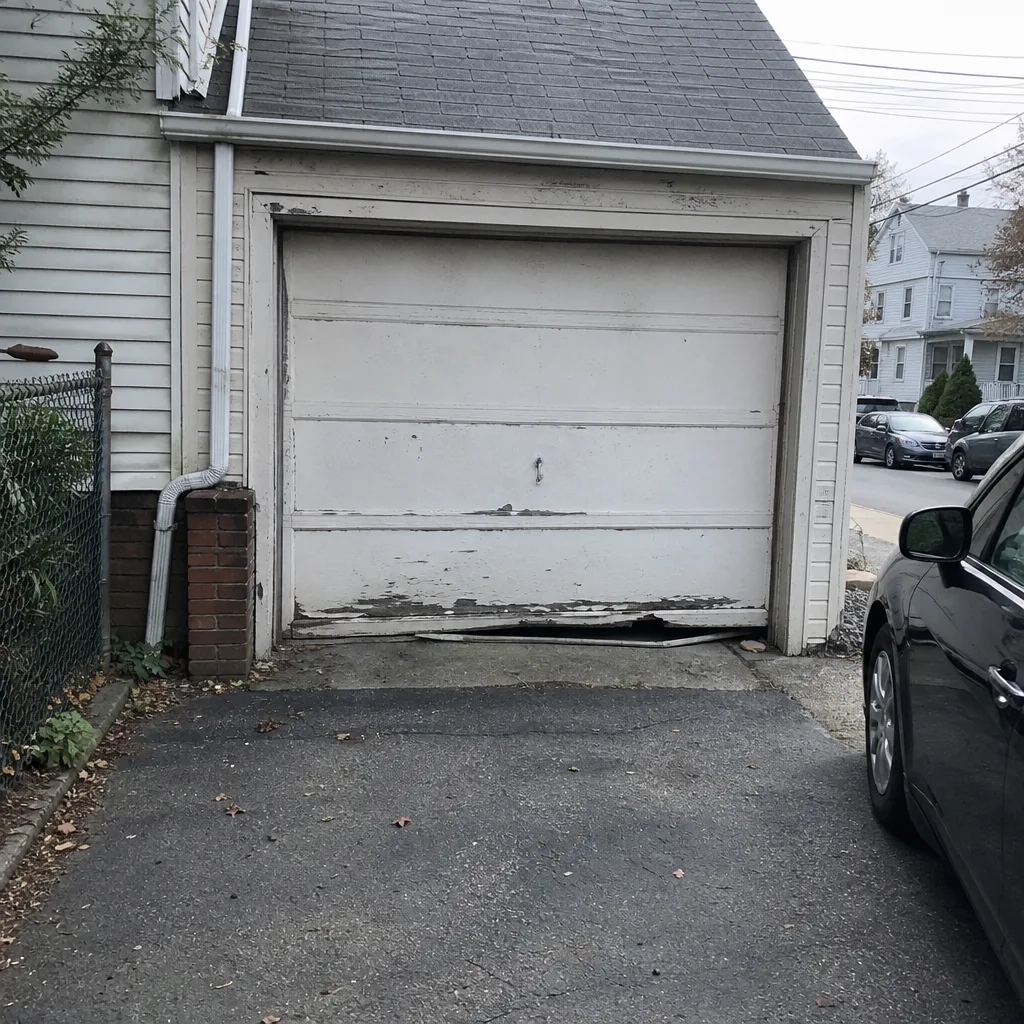 Before
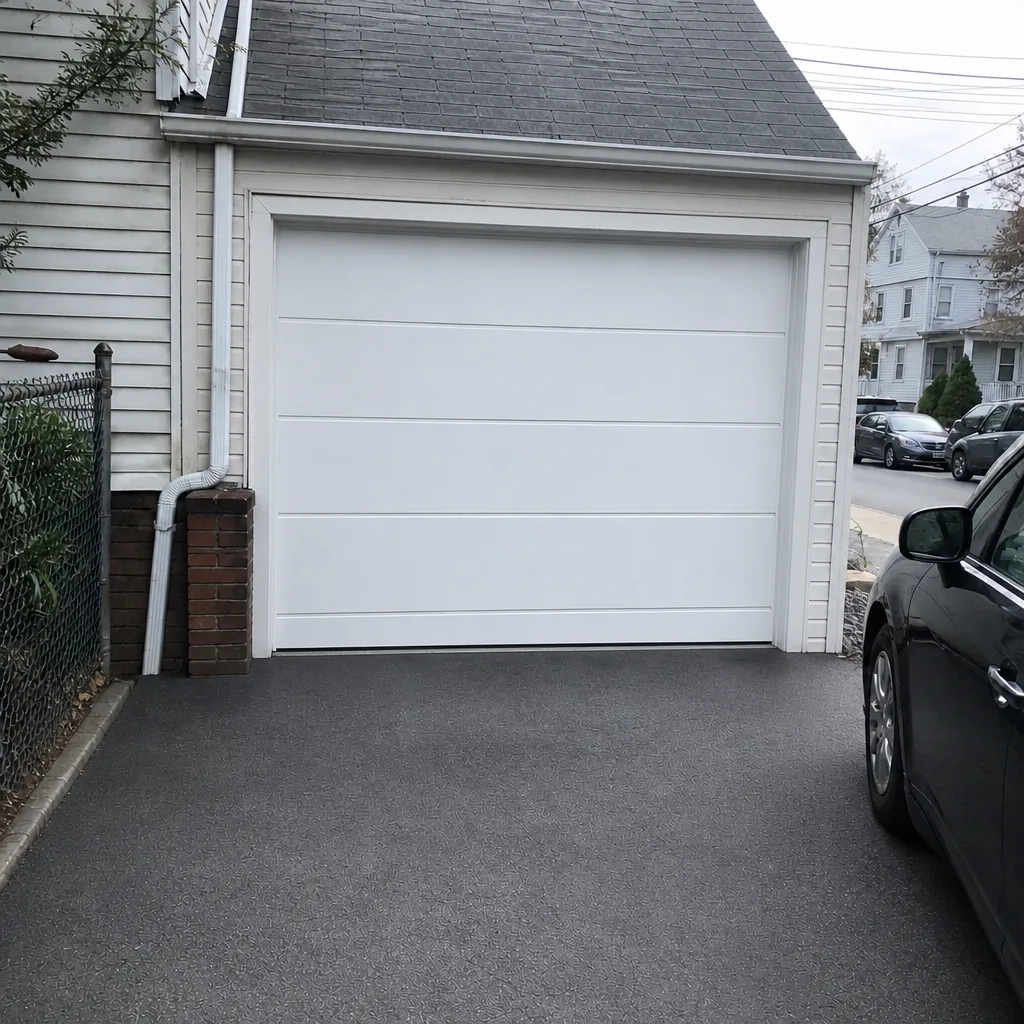 After
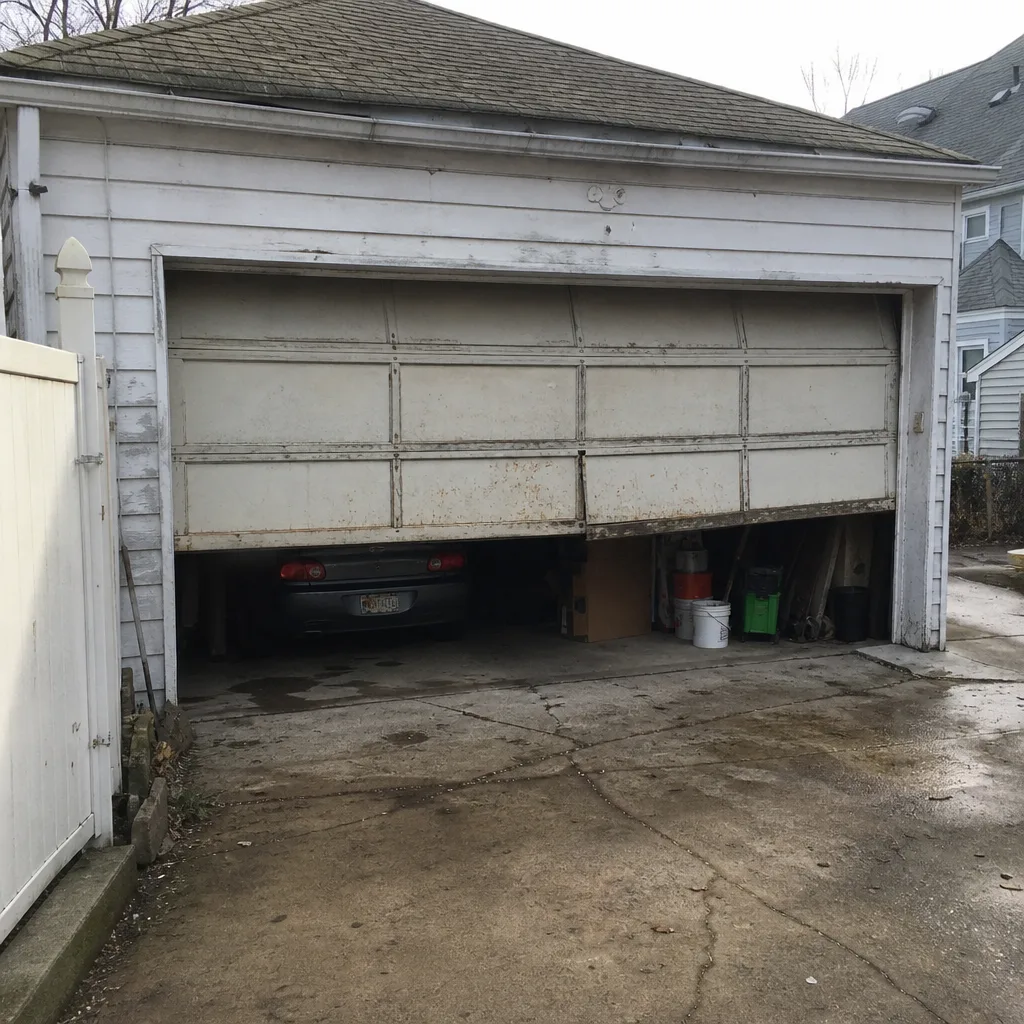 Before
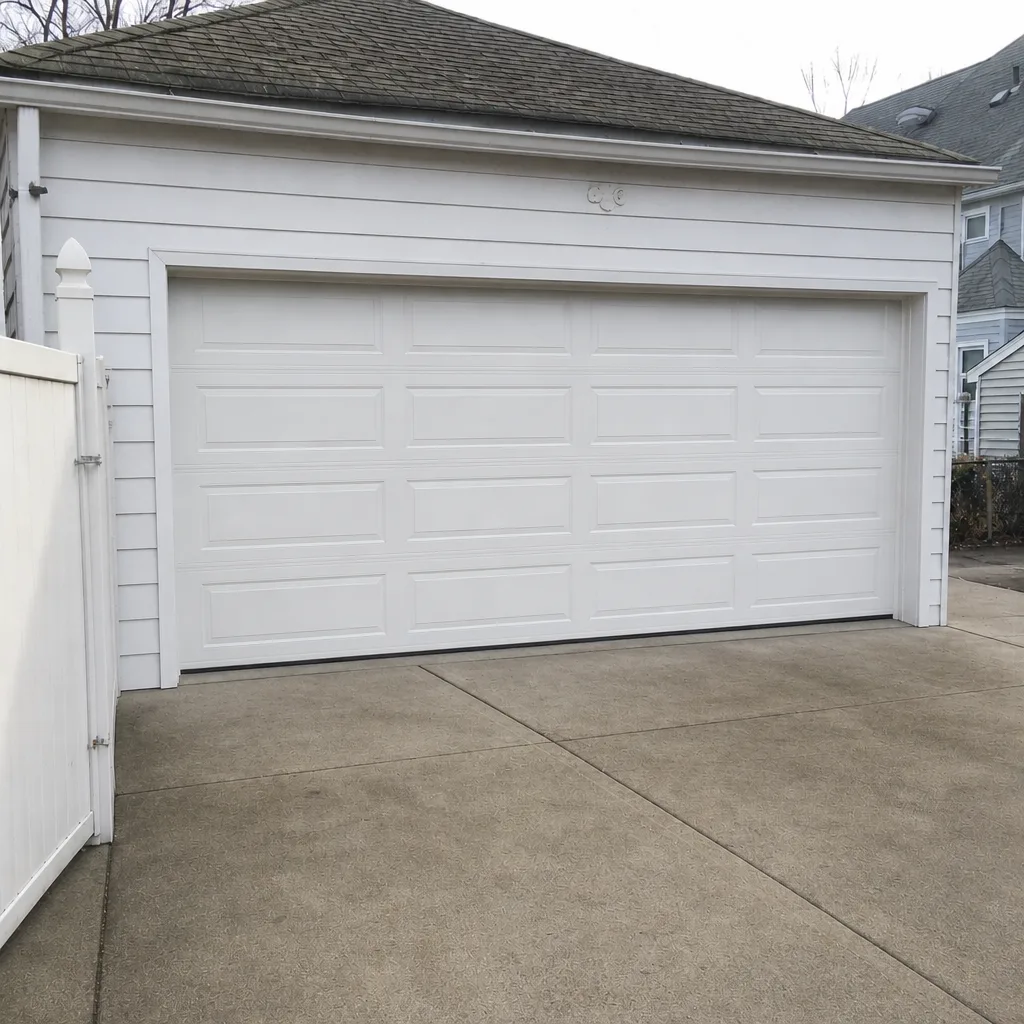 After
When to Call a Professional
Call a professional the moment the job touches a spring, a cable, the bottom bracket, or anything electrical inside the opener. Those components carry stored energy or live wiring, and no amount of general handyman skill changes the physics. Also call if the door is off its track, stuck open, closing crooked, or making a new grinding sound that wasn’t there last week. If someone is locked out or the door won’t close, treat it as urgent – emergency service exists for exactly that.
You don’t need to diagnose the problem yourself before calling. Describing what the door is doing on the phone is usually enough for us to tell you whether it’s a service call or a replacement conversation. We work on the brand you already own – LiftMaster, Chamberlain, Genie, Clopay, Amarr, Wayne Dalton, Craftsman, and Raynor – so there’s no guessing and no “we don’t service that” call-back.
Garage Door Repair Yonkers Pros offers free estimates in Yonkers – call (833) 690-5368 and we’ll quote the job before any work starts.
Frequently Asked Questions
No. A torsion spring stores roughly 100 foot-pounds of torque when wound, and the risk comes from that stored force rather than from the technique. A tutorial can show you the winding motion, but it can’t give you the winding bars, the door clamps, the spring-weight matching, or the experience to recognize a cable that’s about to fail. This is one of the highest-risk jobs on the whole door and belongs with a trained technician. Call (833) 690-5368 for a spring repair estimate in Yonkers.
Weatherseal replacement, lubrication, remote and keypad reprogramming, safety-eye alignment, and minor cosmetic dent repair on a lower panel are all homeowner-safe. None of them involve stored spring tension or electrical work inside the opener. If the job involves a spring, a cable, the bottom bracket, or wiring, it’s not a DIY job, however confident you feel about it.
A single torsion spring replacement typically runs $180 to $340 in the Yonkers market, and a matched pair costs about twice that, since the pair is usually replaced together. The price is quoted and agreed before any work starts, so there’s no surprise on the invoice. Call (833) 690-5368 for a free estimate on your specific door.
No. We inspect the door, confirm the spring type, door weight, and cable condition, and quote the job before anything is touched. The written estimate is the price you pay. The only time a figure changes is if you ask for additional work beyond what was quoted, and that gets priced separately and agreed with you first.
It can, if a failure results from work that wasn’t done correctly. An insurer may decline a claim for damage caused by a self-performed spring or opener repair, because the failure came from the work rather than an accident. It’s also worth checking with the city’s building department on permits for structural changes to the opening or new electrical circuits to the opener. A professional repair leaves a written record, which helps at claim time and at resale.
In most cases, yes. An off-track door is one of the urgent situations we handle as emergency service, since the door can be unsafe to operate or leave the home exposed. Call (833) 690-5368, describe what the door is doing, and we’ll tell you what’s possible for your situation. Don’t try to force the door back into its track in the meantime.
The Bottom Line
The DIY versus professional question for garage doors isn’t about whether you’re capable. It’s about which components store force. Weatherseal, lubrication, remotes, and safety-eye alignment are genuinely homeowner-safe and worth doing yourself. Springs, cables, the bottom bracket, and opener wiring carry risks that skill can’t eliminate, because the force is already there before you pick up a tool. In Yonkers, add permits for structural or electrical changes and a climate that wears out bottom seals and springs faster than the rest of the door. Use the three-question flowchart when a problem appears, keep the easy wins, and hand the dangerous jobs to a technician who knows your brand.
If you’re not sure which side of the line your problem falls on, call Garage Door Repair Yonkers Pros at (833) 690-5368 for a free estimate. We’ll tell you honestly whether it’s a DIY job, a scheduled repair, or a call-out you need today.
Written by the team at Garage Door Repair Yonkers Pros.