Last updated November 21, 2026
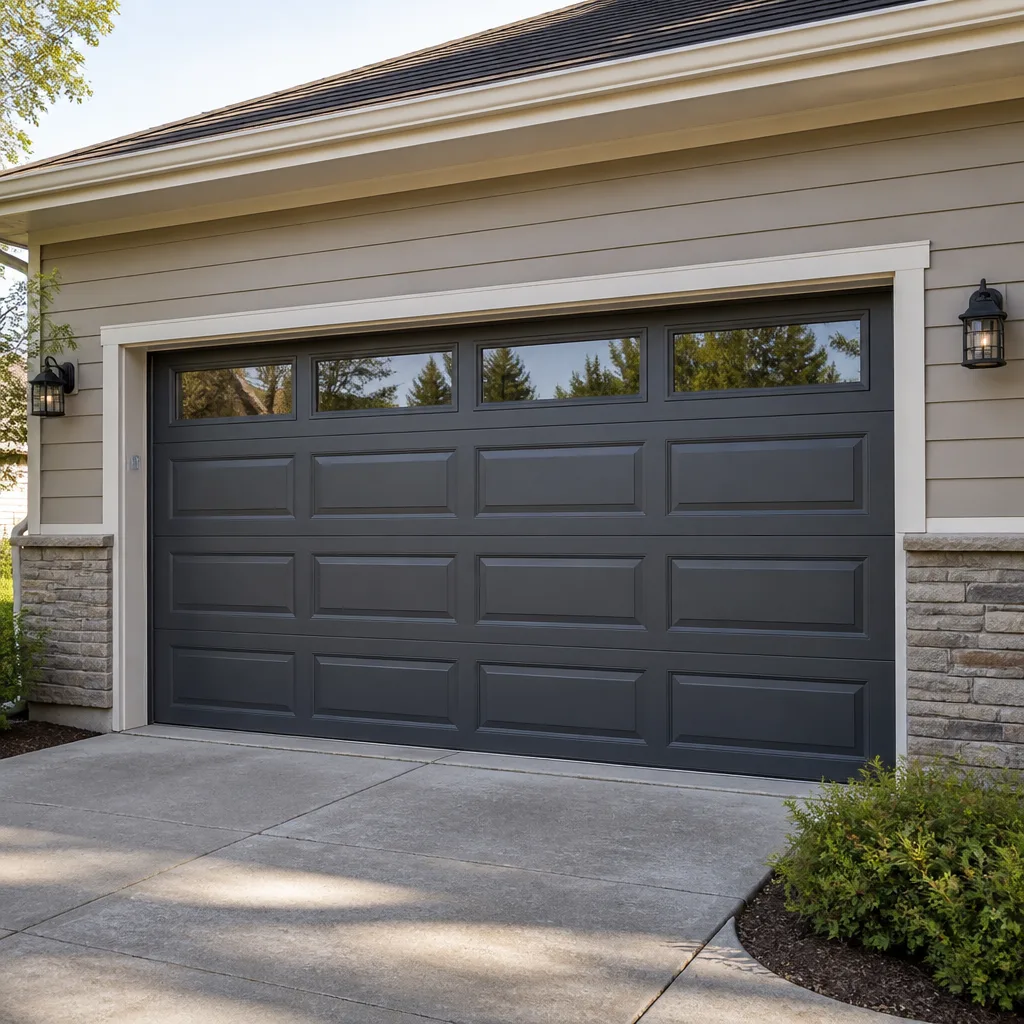 Raised-panel steel
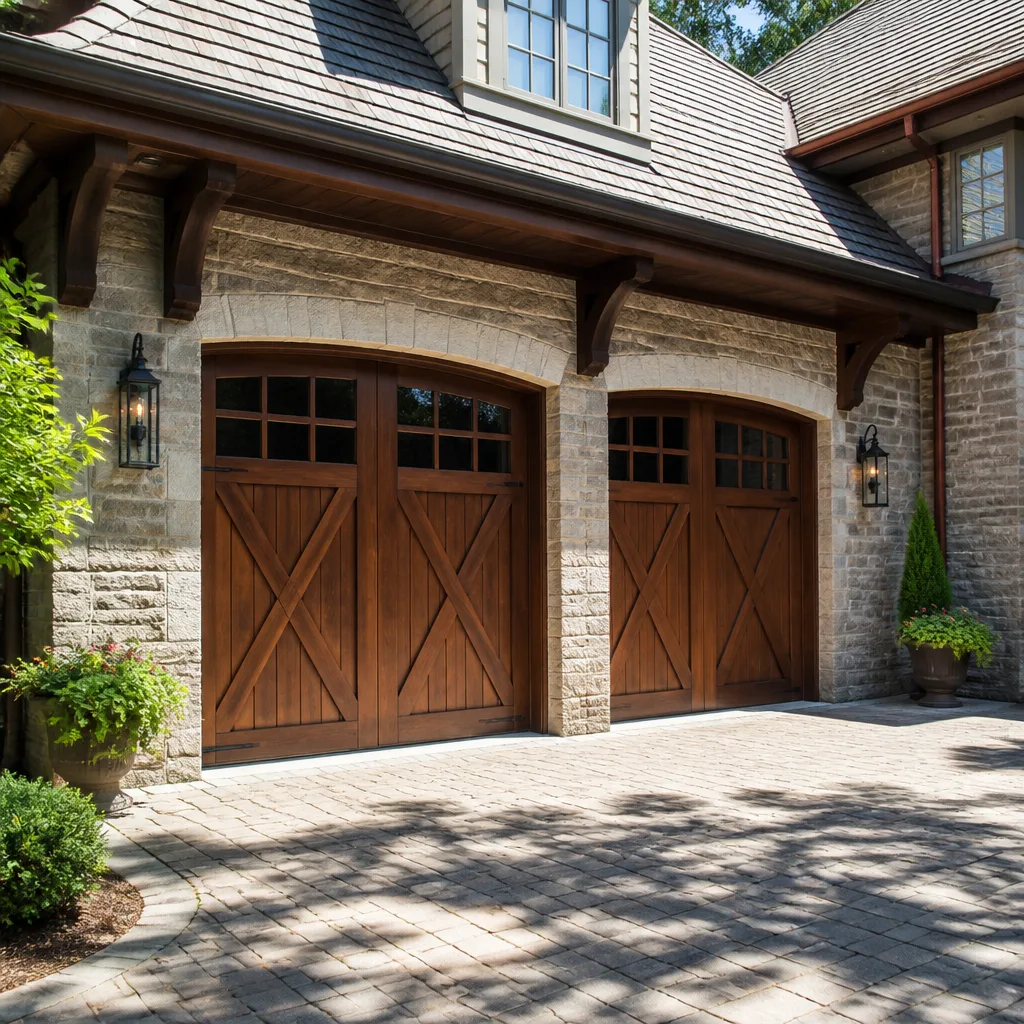 Carriage house
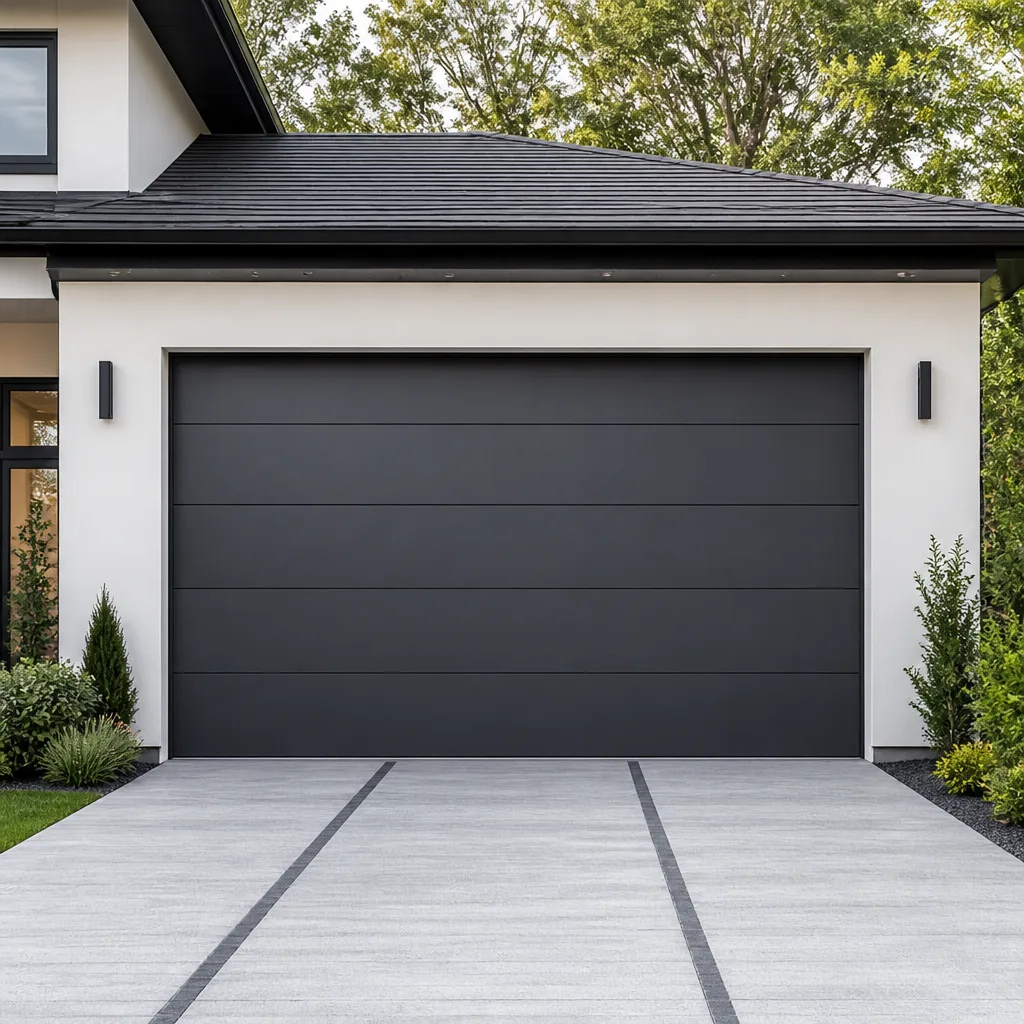 Modern flush
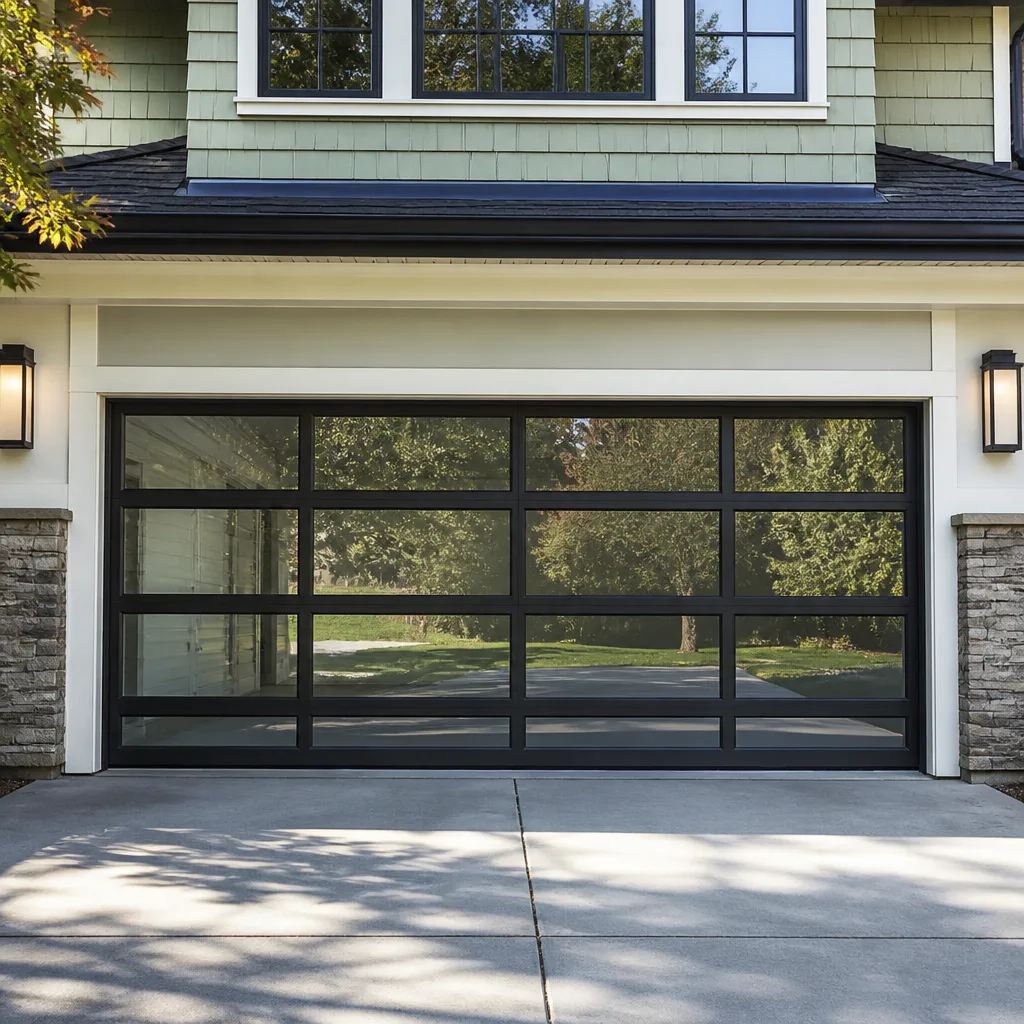 Full-view glass
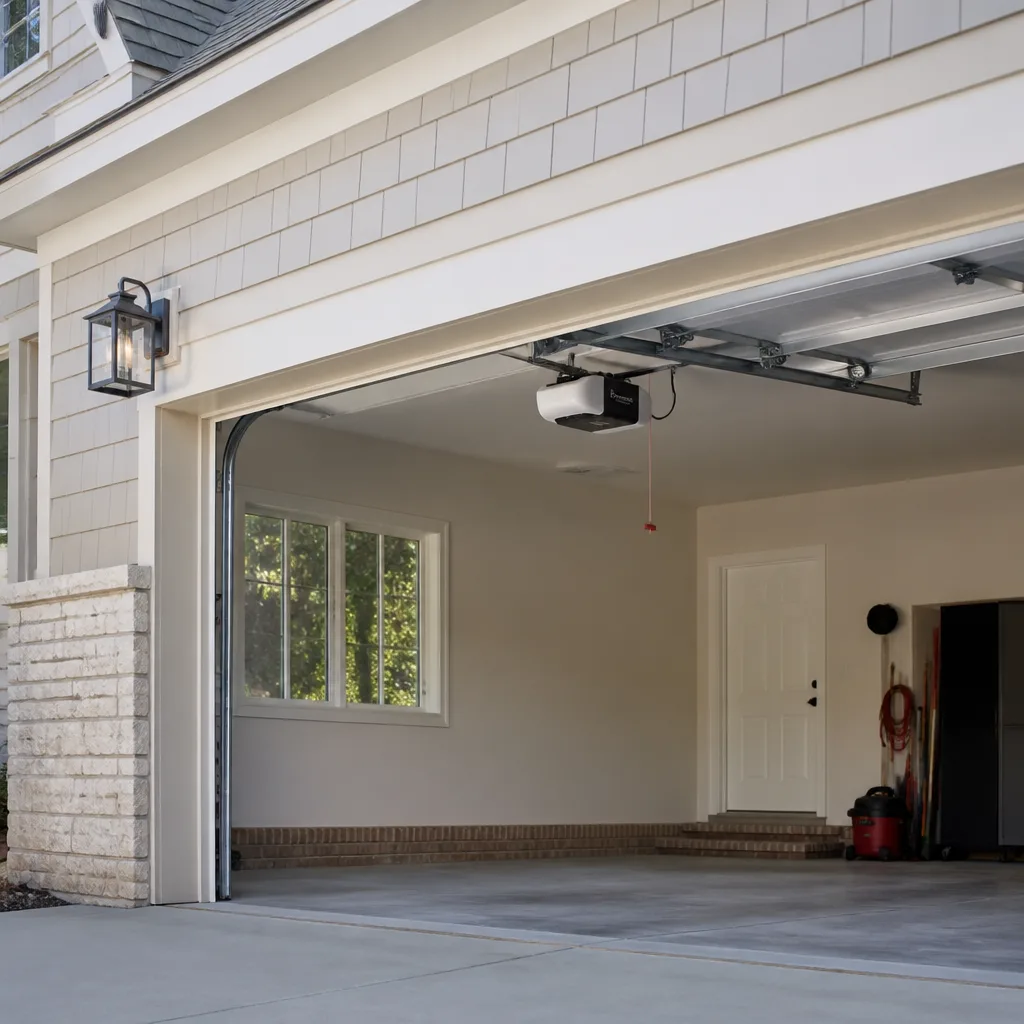 LiftMaster openers
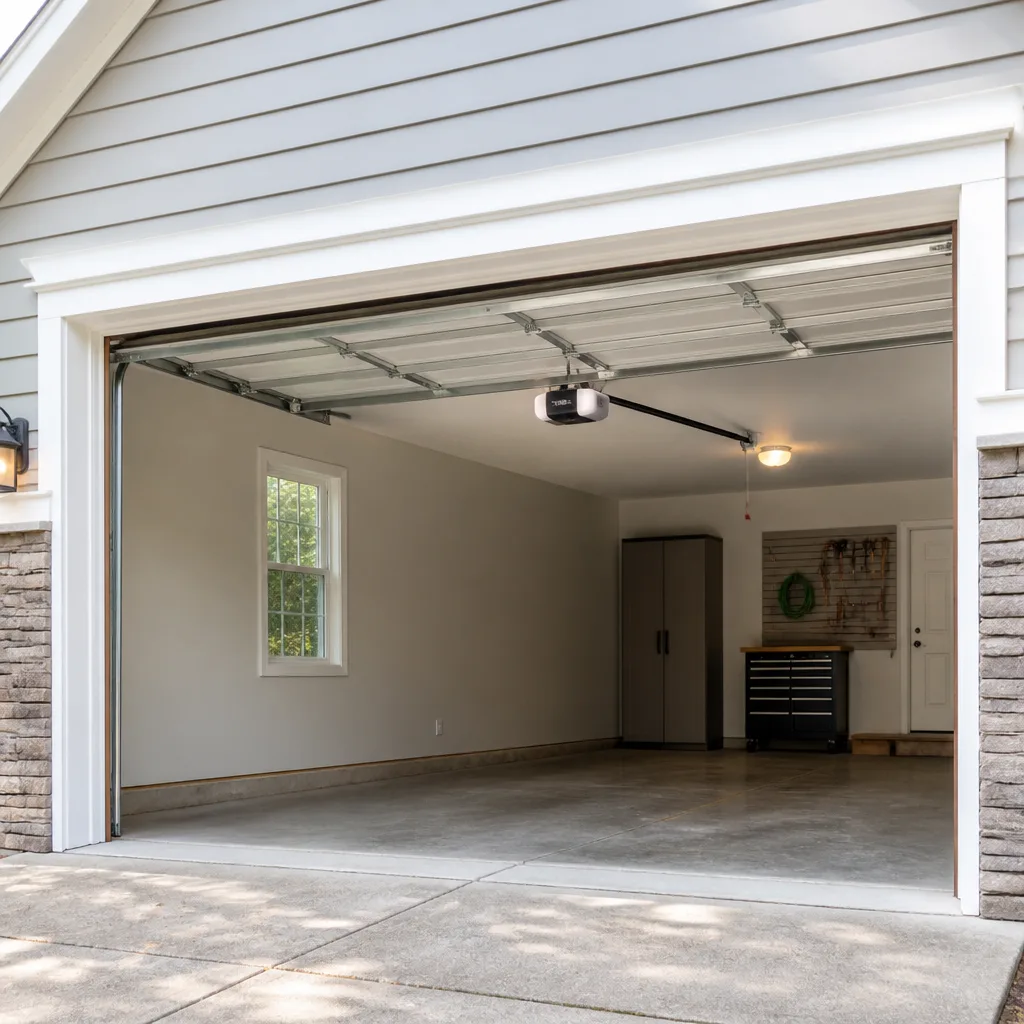 Chamberlain openers
Full 25-point door and opener safety check with every visit - springs, cables, rollers, tracks, and your LiftMaster or Chamberlain opener included
You get a price before we start. It does not change when the pro arrives.
Get your free estimateSeasonal Garage Door Care for Yonkers: Year-Round Homeowner’s Guide
The most expensive garage door repair we see in Yonkers doesn’t start in January. It starts in October, when the lubricant on a torsion spring has gone dry, the bottom seal has begun to crack, and the paint on a steel bottom panel is already thinning. Cold weather doesn’t create those problems. It finds them. By the time the temperature drops into the teens, a door that needed lubrication, a seal, and two hours of preventive attention has become a spring replacement or an off-track panel. This guide walks through what each season actually asks of a garage door in Yonkers, why the city’s particular mix of road salt, freeze-thaw cycles, summer humidity, and older housing stock changes the advice, and which tasks you can handle yourself versus which ones belong in the hands of a trained technician.
Quick Answer
Seasonal garage door care in Yonkers comes down to four tasks: protect the bottom seal and hardware from road salt before the first snow treatment, watch for a door that feels unusually heavy in the coldest weeks (a sign of torsion spring tension loss, not failure), check the concrete threshold and cable tension as the ground thaws in early spring, and address wood or composite swelling during the humid summer months. The two jobs you should never take on yourself are spring adjustment and cable work – those are trained-technician tasks in any season.
Styles & brands we work with
- Raised-panel steel
- Carriage house
- Modern flush
- Full-view glass
- LiftMaster openers
- Chamberlain openers
Table of Contents
- Fall Prep: Protecting Your Door Before the First Salt Treatment
- Winter in Yonkers: Cold, Springs, and the “Heavy Door” Signal
- Spring: Reading Freeze-Thaw Damage Before It Compounds
- Summer: Humidity, Wood Swelling, and Detached-Garage Ventilation
- The Yonkers Month-by-Month Care Calendar
- What Different Systems Need at Different Times of Year
- Common Mistakes to Avoid
- When to Call a Professional
Fall Prep: Protecting Your Door Before the First Salt Treatment
By the time Yonkers crews start treating roads, the damage curve is already set. Salt doesn’t just attack the concrete and the car; it lands on the bottom panel, the bottom bracket, the hinges, and the track base every time a car pulls into an attached garage on a wet, treated street. That exposed hardware is what corrodes first. The fall prep window – typically late September through the first hard frost – is when you can still get ahead of it.
A few tasks matter more than others:
- Inspect and seal the bottom seal. Run your hand along the bottom seal and look for cracks, hardening, or gaps. A cracked seal lets in snowmelt and salt, which is what corrodes the bottom panel and the bottom bracket.
- Touch up paint on the bottom panel and the section seams. On steel doors – especially Clopay and Wayne Dalton panels common on Yonkers homes – any spot where the paint has worn through is a spot the salt can work on over the winter. A small paint touch-up now costs a fraction of a panel replacement.
- Lubricate hinges, rollers, and the torsion spring (if the manufacturer allows it). Dry lubricant on hinges and rollers is standard maintenance. If your springs appear to be powder-coated or the manufacturer warns against lubrication, leave them alone and let a technician handle them.
- Check the weatherstripping along the sides and top. Wind-driven rain and melted snow work their way in through gaps. Replacing weatherstripping is one of the cheapest seasonal tasks you can do.
- Clear the garage apron. Leaves and debris pack into the base of the track and freeze solid. Clearing them in fall keeps the door from straining against ice in the first week of cold.
If your door has been giving you trouble already – slows down, reverses, or sounds like it’s grinding – the honest answer is to get it looked at before the cold sets in. A technician can tell you in a matter of minutes whether it’s a small adjustment or something more involved. If you’ve been putting off garage door repair for the fall, this is the season to get it done, not the first week of January when the door finally refuses to close. Yonkers’ mix of older two-family homes and newer construction means we see both decades-old hardware and modern smart openers on the same street, and both benefit from the same fall inspection.
Winter in Yonkers: Cold, Springs, and the “Heavy Door” Signal
When the temperature drops into the teens and twenties, the biggest change a garage door owner notices is weight. The door feels heavier. The opener strains. Sometimes the door doesn’t want to come up the whole way. That’s not a mystery: cold metal contracts, torsion springs lose some of their effective tension, and the grease that was already thinning in fall thickens into something closer to wax. The door is not failing yet – but it’s telling you something.
Treat a heavy-feeling door as a warning, not a verdict. Here’s what to do:
- Stop adding force. Don’t keep running the opener to “warm it up.” Repeatedly forcing a door that feels heavy strains the opener motor and puts pressure on springs that are already loaded. Both are trained-technician territory once the door is doing something it didn’t do last week.
- Listen to the opener. If the opener sounds like it’s laboring – louder than usual, slower, or beeping with flashing lights – the motor is fighting more resistance than it should. On a LiftMaster or Chamberlain opener, that often shows up as a safety-reversal caused by extra current draw, not by an obstruction.
- Keep the track clear of ice and snow. A packed ridge of snow under the bottom seal can keep the door from closing. A flashlight and a broom handle are the only tools you should be using here.
- Don’t spray lubricant on a frozen spring. Cold lubricant does more harm than good, and reaching into the spring assembly to apply it is dangerous. Wait for warmer weather or hand it to a technician.
If the door is only heavy in the coldest weeks and behaves normally when it warms up, the honest read is that the system is under-tensioned or the lubricant is drying out. That’s a spring-side inspection. If the door feels heavy on a mild day too, or only one side feels different, that’s usually a broken spring or a cable out of position – and that one should not wait.
High-tension torsion springs and cables store enough force to cause serious injury if handled without the right tools and training. There’s no safe DIY fix for a spring or cable problem. If you suspect one, call a professional before you touch anything. Yonkers winters have a way of turning small spring issues into full replacements because the door gets cycled so many times in the cold. The single best thing you can do in winter is get a technician to check the spring and cable tension early, while it’s still an adjustment rather than a break.
Spring: Reading Freeze-Thaw Damage Before It Compounds
Early spring in Yonkers is where the previous winter’s damage shows up all at once. Freeze-thaw cycles work on the concrete threshold, the bottom seal, and the ground around the cable anchors. When water gets into a hairline crack in the apron and then freezes, it widens the crack. When snowmelt sits against the bottom seal for weeks, the seal hardens and pulls away. When the ground under the track heaves slightly, the tracks go out of alignment – and a door that was fine in December starts dragging in March.
What to look for as the ground thaws:
- The concrete apron. Cracks, spalling, or spots where the concrete has lifted. If the door doesn’t sit flat when closed, the apron may be the reason.
- The bottom seal. If it was cracked in fall, freeze-thaw cycles will finish the job. A seal that’s detached or split lets water in on every rain and sits against a wet, salted floor for months.
- The tracks. Look for a track that’s no longer vertical or parallel to its partner. A slight bow means the door is running against resistance and the rollers are getting uneven wear.
- The cables. Cables should run straight and sit snugly against their drums. If a cable is loose, frayed, or off its drum, the door is working on borrowed time.
- The hinges and rollers. After a winter of cold contracts and warm expansions, hinges can loosen and rollers can wear flat. A quick listen while the door cycles tells you a lot.
Spring is also the right time to check the door’s balance. Disconnect the opener (the release cord hangs from the rail on most openers, including Genie and LiftMaster models) and lift the door about halfway by hand. A well-balanced door stays put with minimal effort. A door that wants to fall or slam shut has a spring or balance problem that shouldn’t be adjusted by an untrained hand. This is exactly the kind of check a technician does in a few minutes during a routine inspection, and it’s the check that catches spring problems before they become a replacement on the hottest week of summer.
If you notice cable or spring symptoms in early spring, don’t wait for “a better week.” Getting garage door repair in Yonkers done in April costs less than getting it done in June, because the door hasn’t had another two months of strain on the opener and hardware. Our technicians have up to 15 years of experience reading these early-season signals – and we’d rather tell you that your system needs a small adjustment than have you find out the hard way when a cable lets go.
Summer: Humidity, Wood Swelling, and Detached-Garage Ventilation
Summer in Yonkers is harder on a garage door than most homeowners expect. The city’s older neighborhoods – from Getty Square up through the hills around Northwest Yonkers – have dense clusters of attached and detached garages that trap heat, and the humidity from the Hudson sits in that urban heat pocket. What that means for a door depends on what it’s made of.
Wood and composite doors. Wood doors swell when humidity rises. That’s usually most visible at the bottom and at the panel seams. A wood door that drags or squeaks in August and is fine in October is telling you that the door has taken on moisture. Left alone for a few seasons, ongoing swelling leads to cracking paint, rotted bottom rails, and eventually failure at the panel joints. A good paint or stain barrier, applied in the cool of spring, is the primary defense.
Steel doors. Steel expands slightly with heat and the paint film can soften. That’s mostly a cosmetic issue, but on doors with bottom-rail rust from winter salt exposure, summer is when rust spreads fastest because the humidity accelerates corrosion. If you spotted rust spots in spring and didn’t touch them up, now is the time – cooler fall is the last good window.
Openers and ventilation. If your garage is detached, summer heat can push the interior temperature high enough that a liftmaster or Craftsman opener motor runs hotter than its design. Good ventilation – an open window, a cracking of the service door, or a simple roof or gable vent if your garage has none – makes a real difference to how long the opener lasts. It also cuts down on condensation that works on steel hardware from the inside.
The bottom line on summer: watch for anything that’s swelling, squeaking, or smelling damp, and get ahead of it. Summer is also a reasonable time to get a tune-up, since the door is cycling more often and small issues are easier to spot. If you want a professional to look over the tracks, hardware, and door balance while the weather is good, this is a sensible season for it.
The Yonkers Month-by-Month Care Calendar
Generic “lubricate twice a year” advice doesn’t match what actually happens in Yonkers. The climate here is a full seasonal cycle, and the calendar below is built around the local weather patterns rather than a national average. Use it as a rough schedule and adjust by a week or two based on how warm or cold the season runs.
| Month | Focus | Task |
|---|---|---|
| March | Freeze-thaw check | Look at threshold, bottom seal, tracks; listen for new noise on the door cycle |
| April | Seasonal inspection | Balance check and spring/cable tension check with a technician before summer |
| May | Wood and composite prep | Sand and repaint or reseal wood doors; check panel seams for swelling |
| June | Ventilation and opener | Clear vents, check opener motor temperature, check safety-reverse test |
| July | Humidity watch | Recheck bottom rails and panel seams for swelling; touch up rust spots |
| August | Hardware check | Lubricate hinges and rollers with a dry lubricant; tighten any loose bolts |
| September | Fall prep | Inspect bottom seal, weatherstripping, and paint on the bottom panel |
| October | Salt pre-protection | Paint touch-ups on the bottom panel; lubricate hinges and rollers before cold; clear apron |
| November | Cold readiness | Confirm seal is intact; check opener manual release; watch for heavy-feeling door |
| December-February | Winter watch | Keep tracks clear of ice; listen for opener strain; call on any spring or cable symptom |
Two things to notice about this calendar. First, most of the work is concentrated in fall and spring, which is when a small fix is cheapest. Second, the two highest-risk jobs – spring and cable checks – are deliberately placed on the professional side of the line, not the homeowner tasks. The month-by-month list is the “you can do this” side of the ledger. The “call someone” side is shorter but heavier.
What Different Systems Need at Different Times of Year
In our experience, seasonal care isn’t the same task for every door. A Wayne Dalton door with a TorqueMaster-style spring system handles cold differently from a Raynor door with a traditional torsion assembly, and a Craftsman chain-drive opener has a different winter profile than a modern smart opener. Manufacturers design for the same broad climate, but the maintenance priorities aren’t identical.
Here’s how we think about it:
- Older chain-drive openers (Craftsman, Genie, older LiftMaster): More sensitive to lubricant drying out in cold. A loud or slow cycle in January is often a lubricant issue or a worn gear, not a major failure. Fall is the time to get ahead of it.
- Modern belt-drive and smart openers (LiftMaster, Chamberlain): Quieter and usually more tolerant of cold, but the motor still feels the added drag from a heavy cold door. If a door that used to open smoothly starts triggering the safety reverse in cold weather, get the door checked – the opener is doing its job by telling you something is wrong.
- Wayne Dalton and Raynor doors: Both companies build doors that tolerate seasonal movement well, but each has panel and seal designs where swelling and cold cracking can show up. Spring and fall are the right times to look at them.
- Wood and composite doors (Clopay, Amarr, and others): The finish is the seasonal protection. Miss the fall repaint and the spring swelling in the bottom rail will get worse each year.
None of this means you need to know your door’s brand by heart. It means you need whoever works on it to know. That’s the reason we work across the eight brands most Yonkers garages actually have – LiftMaster, Chamberlain, Genie, Clopay, Amarr, Wayne Dalton, Craftsman, and Raynor – so the technician reading the door in January is diagnosing the system you own, not the one they prefer to sell. If you’re not sure what you have, an opener repair call is a good time to identify the system and get a clear seasonal plan for it. The same logic applies when the door has reached the end of its life: garage door installation done right should be matched to how the door actually cycles in your garage.
One more seasonal note: if your door has already been patched a couple of times or is showing rust at the bottom rail, warped panels, or repeated spring problems, the fix may be a replacement rather than another round of repairs. We’ll tell you which one actually makes sense.
See the difference
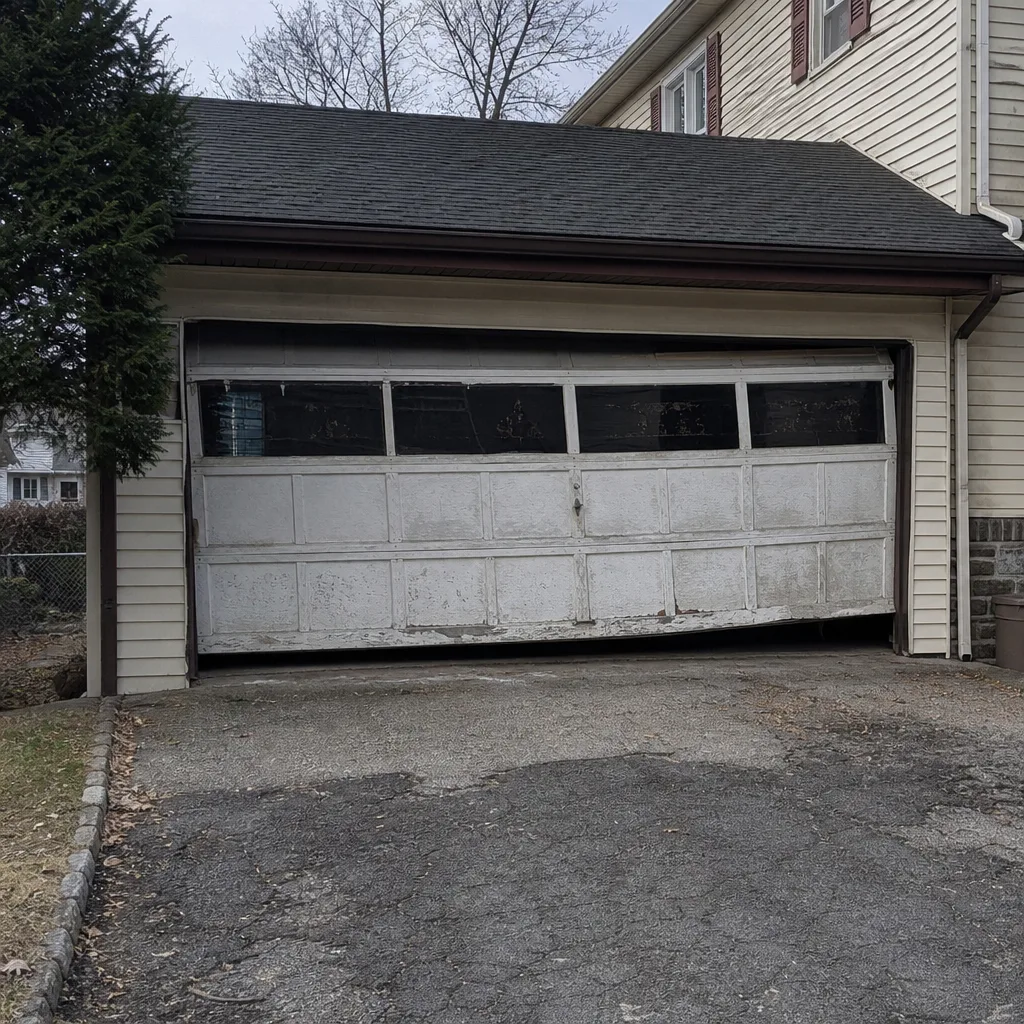 Before
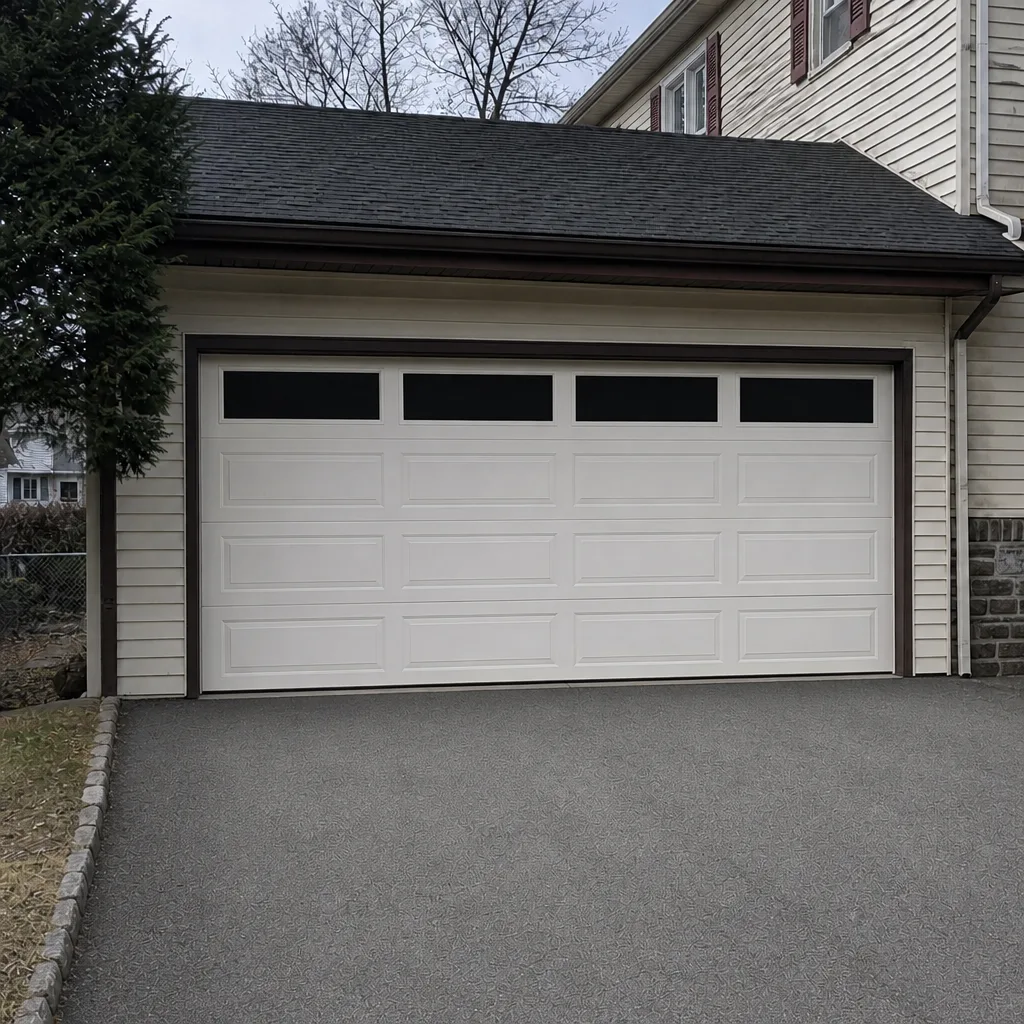 After
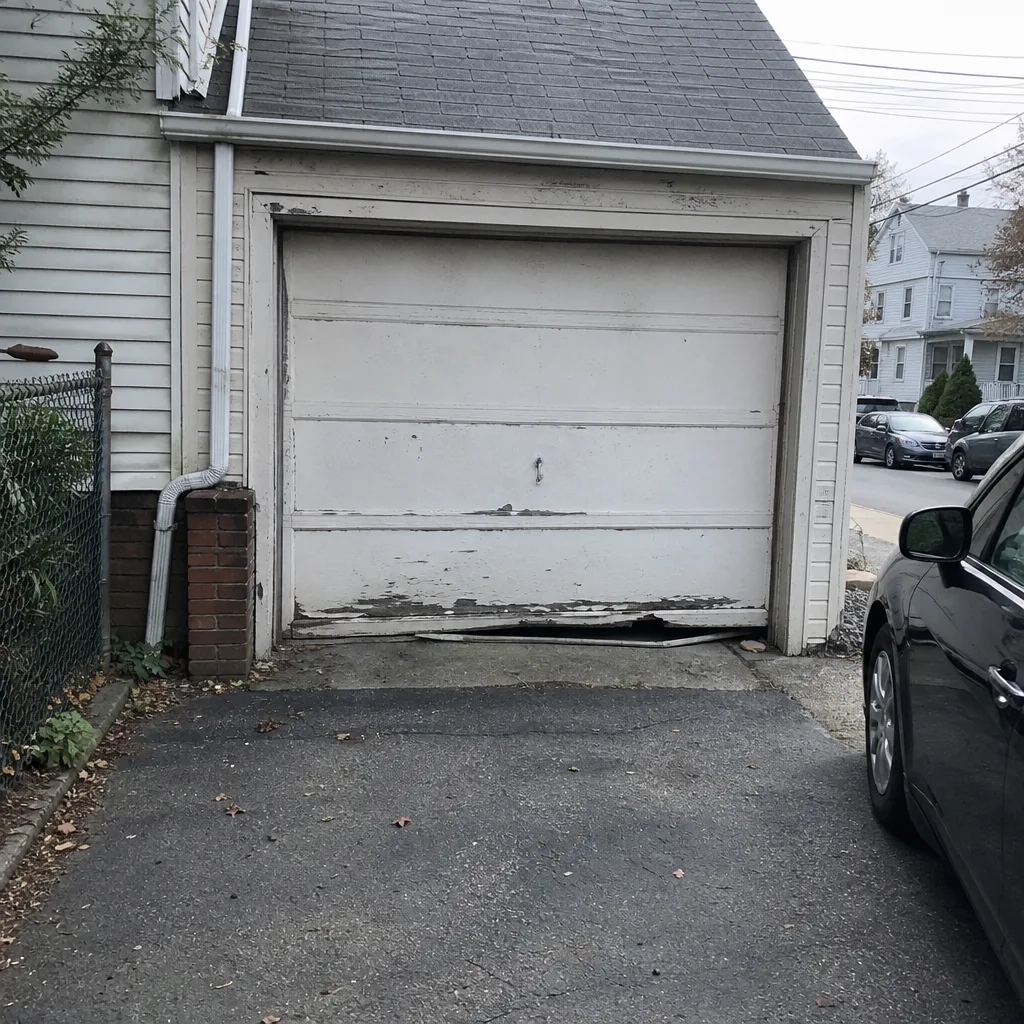 Before
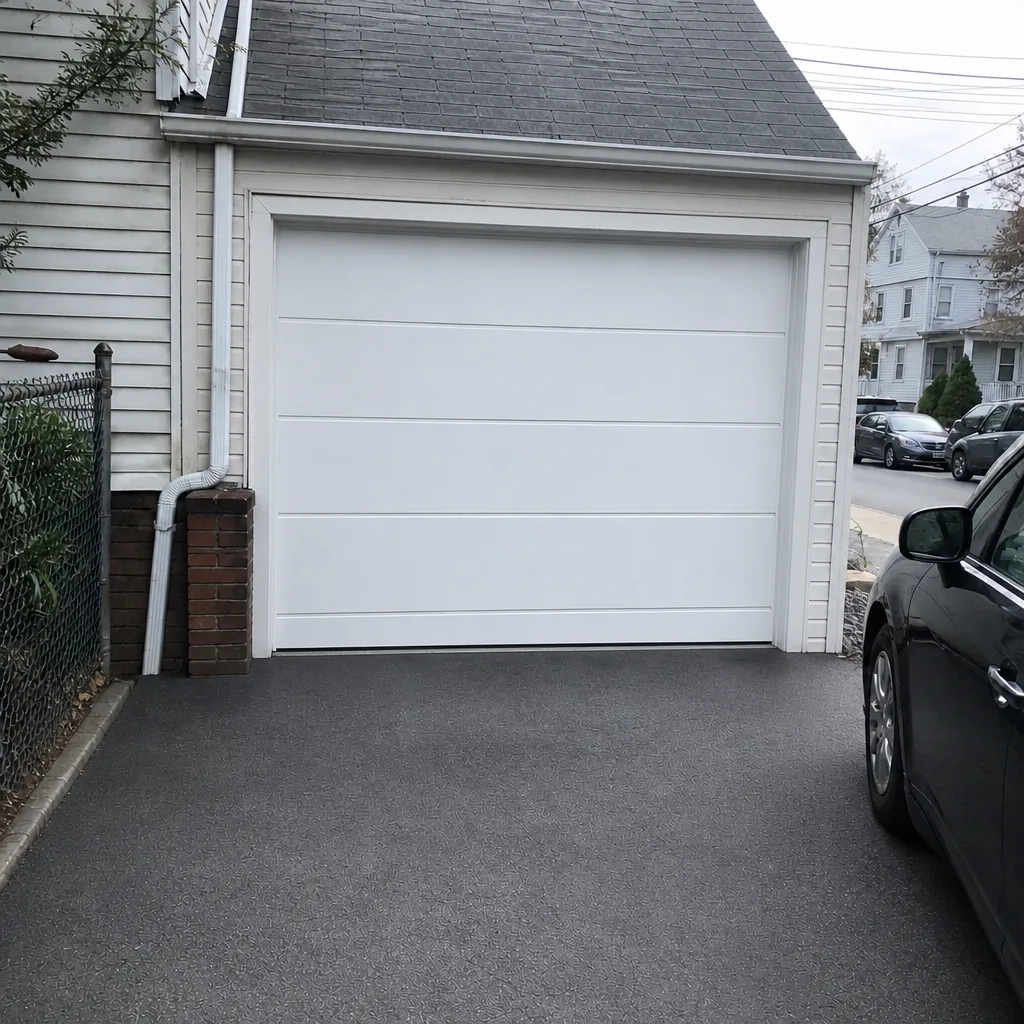 After
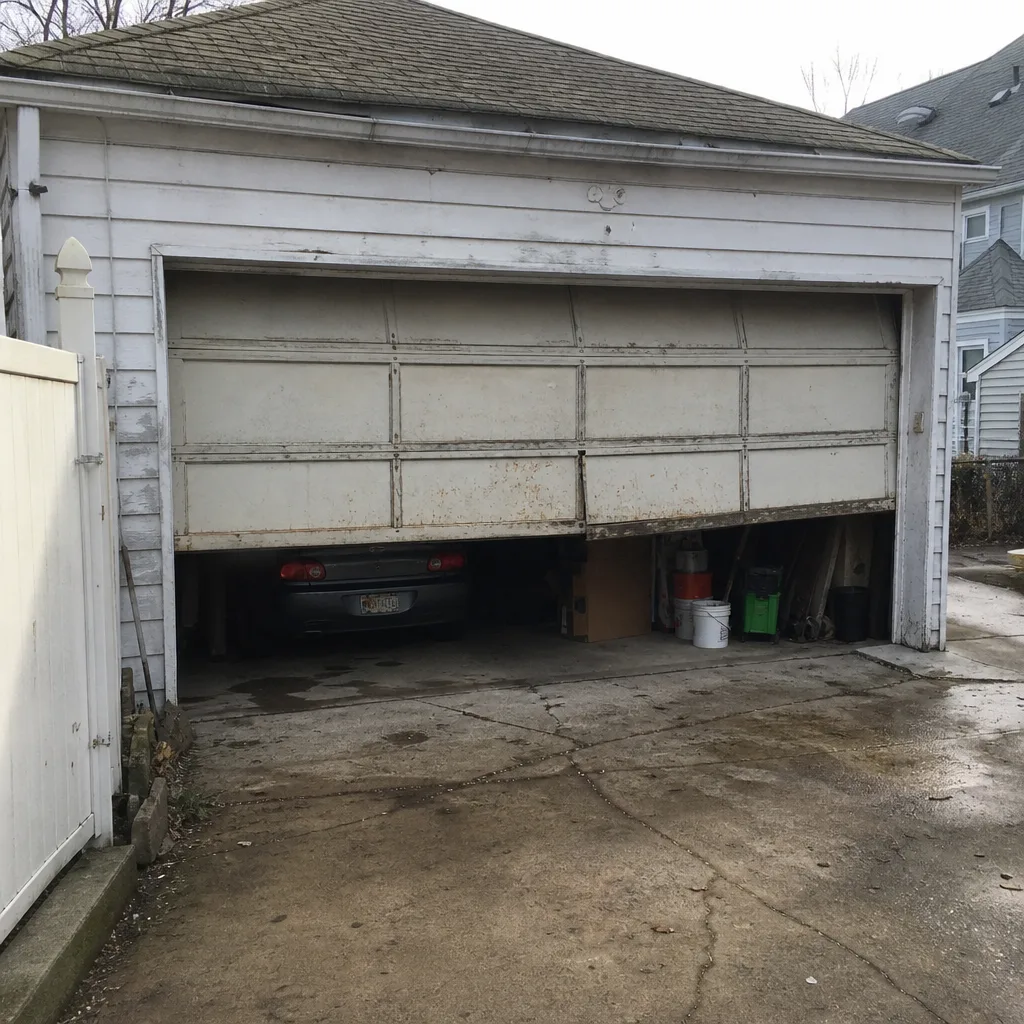 Before
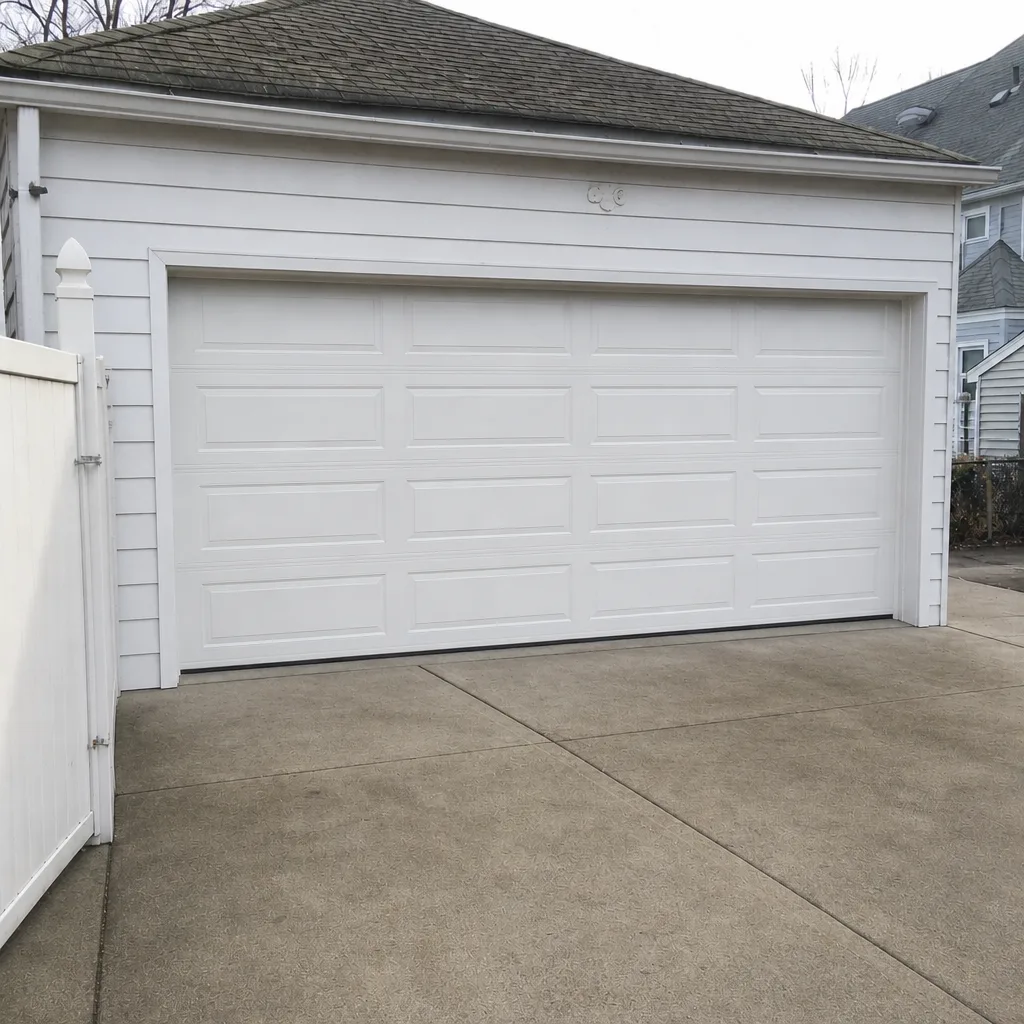 After
Common Mistakes to Avoid
- Waiting until the door fails in winter to think about it. Most cold-weather breakdowns are the result of unfinished fall prep. Ten minutes of inspection in October is worth more than an emergency call in January, and it costs a fraction as much.
- Piling salt and snow against the bottom seal. Shoveling snow against the garage door pushes treated snow directly onto the hardware that corrodes first. Push it to the side of the apron, not against the door.
- Spraying lubricant on the springs. Springs are a high-tension, high-risk component. If your manufacturer allows lubrication, they’ll say so. If not, don’t. Handling springs without the right training is one of the more dangerous things a homeowner can attempt on a garage door.
- Assuming a heavy door in January just means “it’s cold.” A door that’s slightly heavier in cold weather is normal. A door that won’t open fully, or one side is harder than the other, is a symptom worth investigating.
- Ignoring a small crack in the bottom seal. A hairline crack in October is a full seal replacement by March, plus a wet floor and a corroded bottom rail behind it. Seal replacement is cheap when it’s small.
- Painting over rust instead of treating it. On Yonkers’ older steel doors, painting over active rust traps it under the paint and lets it spread. Clean, treat, then paint. If the rust has gotten all the way through, that’s a panel-level decision.
- Running the door when you can hear it struggling. An opener that’s working harder than it should is telling you that the door is out of balance or the spring is under-tensioned. The opener is doing its job; let it, and get the door looked at.
When to Call a Professional
There are a few clues that mean “this is a professional call, no matter the season.” A door that feels heavy on one side, a spring that’s visibly broken or hanging, a cable that’s off its drum, a door that’s come off-track, a door that reverses on its own every cycle, or a door that won’t open at all. In cold weather, that last one is usually the opener’s safety reverse protecting a spring or balance problem – and that problem belongs to a trained technician. Any of these is a call-the-professional signal, not a wait-and-see. Springs and cables store enough force to hurt a person badly, and the tools to handle them safely aren’t in most garages.
Garage Door Repair Yonkers Pros offers free estimates in Yonkers – call (833) 690-5368. Our technicians have up to 15 years of experience, and we work on the door you already have, not the one we’d prefer to sell.
Frequently Asked Questions
Twice a year is the standard baseline, but the Yonkers climate usually calls for a bit more attention. Hinges and rollers do better with dry lubricant before the cold sets in (October) and again in summer. Springs should follow the manufacturer’s guidance – many don’t need lubrication, and some shouldn’t get it. Skipping lubrication is the more common failure; over-lubricating springs is the other.
Not necessarily. Cold temperatures reduce the effective tension in torsion springs and thicken the grease in the tracks, so a slight increase in weight is normal for the season. But if the door won’t open fully, feels heavier on one side, or the opener struggles, that’s a symptom worth a professional check – and it’s usually an adjustment, not a replacement, when caught early. Call (833) 690-5368 for an exact quote on an inspection; estimates are free.
Yes, in a specific way. The freeze-thaw cycles of early spring crack the concrete apron, harden the bottom seal, and heave the tracks out of alignment. Summer humidity swells wood and composite doors, and winter road salt works on any exposed steel hardware the bottom panel has to sit against. The damage builds over seasons rather than appearing all at once, which is why the fall and spring checkpoints matter more than the “call someone when it breaks” approach.
Washing is part of it, but the bigger protection is a primer and paint barrier on the bottom panel and any exposed steel hardware, plus a sealed bottom seal so salt and snowmelt don’t sit against the panel. By the time salt touches bare steel in Yonkers, the corrosion has already started. A fall paint touch-up and a sealed bottom seal are the cheapest way to prevent the corrosion in the first place.
On many doors, yes – bottom seal replacement is one of the few seasonal tasks a homeowner can often do. It’s the job most worth doing yourself before cold weather, because it protects the bottom panel and hardware from salt and water. The one thing to avoid is doing it while the door is under spring tension – disconnect the opener and make sure the door is in the fully open position before you start. If your seal sits inside the bottom bracket rather than on the panel face, or if the bottom bracket looks rusted in place, it’s a quick professional job.
It can, at the margins. Older chain-drive Craftsman or Genie openers are more sensitive to cold-season lubricant issues, while a newer LiftMaster or Chamberlain belt-drive is usually quieter but still gets pushed harder by a heavy cold door. Wayne Dalton and Raynor doors vary in how their seals and panels respond to swelling. The big tasks – spring checks, cable checks, balance checks – are the same for every brand, and they’re the ones that matter most.
The Bottom Line
Seasonal garage door care in Yonkers works best as a rhythm rather than a scramble. Fall is your protection window (seal, paint, lubricate). Winter is your watch window (heavy door, opener strain, ice in the tracks). Spring is your inspection window (threshold, tracks, cables, springs). Summer is your maintenance window (humidity, swelling, ventilation). If you keep those four checkpoints in your head and call a professional the moment you hear something the door wasn’t doing last month, you’ll stay out of the January emergency column. Our technicians have up to 15 years of experience, and we’re happy to look at the door you have before the season turns.
If you want a free estimate on a seasonal tune-up, a spring or cable check, or a full inspection before the weather changes, call Garage Door Repair Yonkers Pros at (833) 690-5368. We work on your brand, we tell you whether a repair or a replacement makes sense, and we quote the price before any work starts.
Written by the team at Garage Door Repair Yonkers Pros.